A left-wing think tank, the Institute for Public Policy Research (IPPR), has issued stark warnings regarding the escalating economic fallout from the ongoing conflict in Iran. Their recent report suggests that the war could impose an £8 billion cost on the UK this year alone, primarily through increased government borrowing expenses and diminished tax revenues. This projection arises as UK government long-term borrowing costs have already ascended to a 28-year high, fueled by anxieties over the conflict's economic repercussions and domestic political uncertainties.
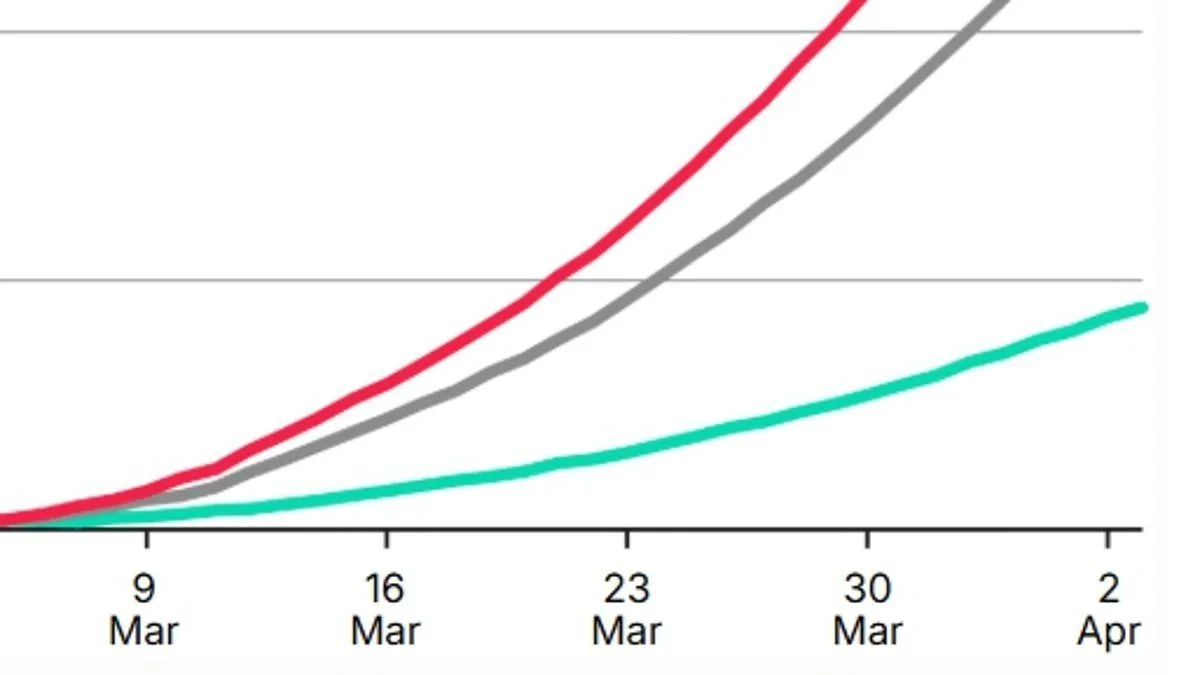
The core of the IPPR's concern lies in the inflationary pressures exacerbated by soaring oil prices, a direct consequence of the Iran war. Since over a quarter of UK government debt is tied to inflation rates, these price surges translate into significantly higher borrowing costs for the government.
Read More: Goldman Sachs predicts 15 million US jobs lost to AI by 2036
Fuel Duty and Speed Limits: Proposed Interventions
The IPPR's recommendations for mitigating this economic strain are pointed. They advocate for a significant reduction in fuel duty, alongside a lowering of national motorway speed limits. The rationale behind the speed limit suggestion is straightforward: slower speeds directly translate to reduced fuel consumption. This aligns with advice from international energy bodies, like the International Energy Agency (IEA), which has prompted governmental departments to analyze measures for curbing oil demand. Officials are reportedly exploring options to manage and potentially allocate crude oil and other imported oil products within the UK.

Political Squabbling Over Fuel Costs
The proposed fuel duty hike, scheduled for September, has become a focal point of political contention. The governing party is reportedly defending its plan to increase fuel duty, even as pump prices have escalated due to the conflict. Opposition parties, such as the Conservatives and Reform UK, have been vociferous in their criticism, calling for extensions of fuel duty cuts or outright reductions. The Liberal Democrats have also proposed a 10p cut in fuel duty.
Read More: Russia Ukraine War Casualties Pass 2 Million Mark in July 2026

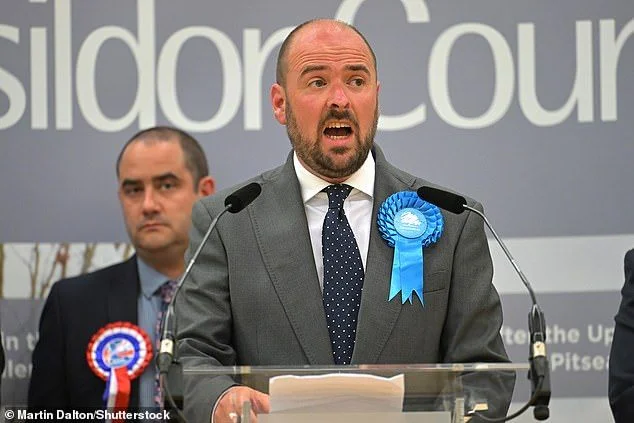
"Labour's fuel duty hike comes at the worst possible time for families already struggling under the weight of this Government's tax hikes. Labour's political choice to hike fuel duty this September is a massive kick in the teeth for so many, not least when other countries are cutting fuel duty amid the crisis." - Richard Holden, Conservative Shadow Transport Secretary
Broader Economic Concerns and Consumer Impact
The conflict's impact on consumers is palpable. Drivers have already faced increased costs at the pumps, with estimates suggesting billions in additional spending since the conflict began. Petrol prices have seen a notable rise, with diesel drivers bearing a significant portion of this increase. These heightened costs exert pressure on household budgets, potentially siphoning consumer spending into fuel expenditures.
"The impact on personal and family budgets, together with potential consumer spending being siphoned into fuel, has been devastating. That’s why we have extended the 5p fuel duty cut and urge for de-escalation." - Statement referencing the impact on drivers.
Government officials acknowledge the potential economic ramifications, with contingency planning underway. Discussions involve various support measures for households, the scope and nature of which may depend on the conflict's duration and market volatility.
Background: The Iran Conflict and its Global Oil Impact
The recent conflict in Iran, particularly its impact on the Strait of Hormuz—a crucial chokepoint for global oil and gas transport—has been the primary catalyst for the current energy price shock. This geopolitical development has sent global oil prices soaring, exceeding $100 per barrel at times, and directly influencing fuel prices at the UK's petrol stations. The situation remains volatile, with fears of further supply disruptions and sustained high prices casting a shadow over the economic outlook.
Read More: New ways to measure AI's impact on jobs and economy