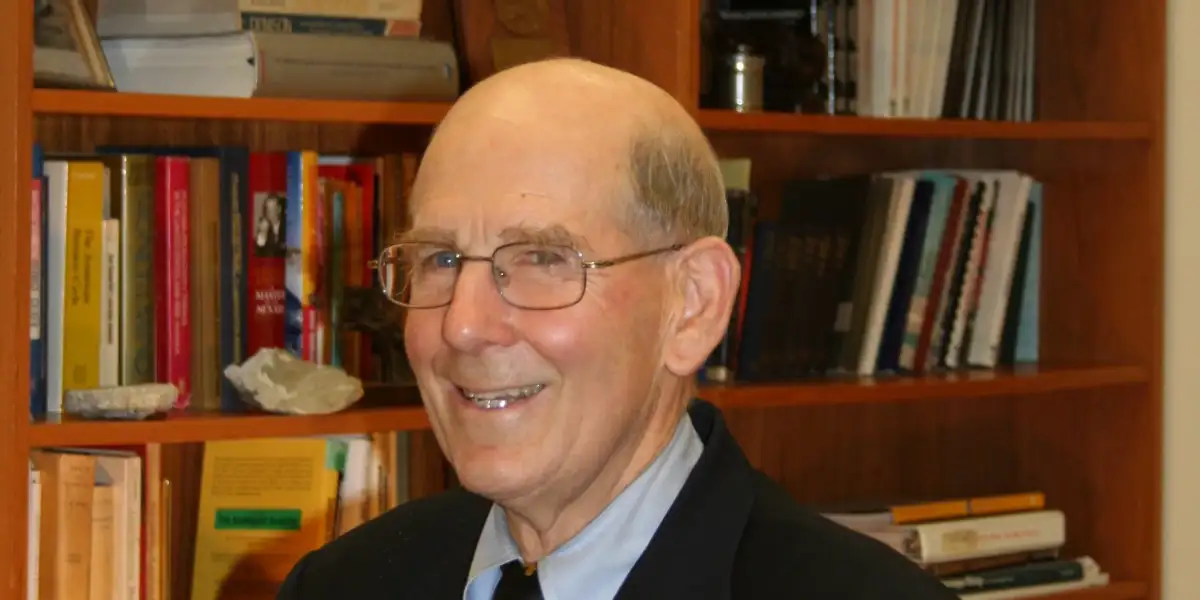
Veteran economist Gary Shilling asserts that a U.S. recession is essentially unavoidable within the current calendar year. His assessment identifies a trio of structural vulnerabilities—stagnant real estate, declining capital expenditure, and cooling consumer consumption—as the primary catalysts for a potential 30% devaluation in equity markets.
Primary Drivers of Economic Friction
Shilling posits that current market valuations are disconnected from underlying economic realities, fueled by speculative fervor rather than sustained productivity.
Housing Market Stasis: Elevated interest rates have created a deadlock where both buyers and sellers remain paralyzed, diminishing liquidity in a key economic sector.
Capital Expenditure Divergence: While capital investment is currently inflated by a narrow focus on Artificial Intelligence, broader industrial and business investment has slowed significantly, masking a wider contraction in business confidence.
Consumer Fragility: Real personal consumption expenditure is hovering near 2% annual growth. Shilling argues that as inflation persists—noted at 3.5% year-over-year in March—and income growth remains tepid, the American consumer lacks the capacity to continue acting as the economy's primary engine.
"It's only in retrospect, after the bubbles break, that you can look back and say, 'Boy, that was really out of hand.'" — Gary Shilling
Market Sentiment and Counter-Arguments
While Shilling warns of a deep correction, others within the financial sector offer competing signals. Analysts from institutions like Goldman Sachs maintain a more tempered outlook, placing recession probability at 25%, often citing labor market resilience and geopolitical unpredictability as confounding variables.
| Factor | Observation | Signal |
|---|---|---|
| Capital Expenditure | 3.9% growth (vs 24% pandemic peak) | Downward momentum |
| S&P 500 Concentration | Top-heavy (Magnificent Seven) | High volatility risk |
| Inflation (March) | 3.5% YoY / 0.7% MoM | Persistent |
Investigative Context
The discourse surrounding a 2026 downturn centers on whether the economy has reached a breaking point or is merely experiencing a necessary cooling phase. Shilling, whose reputation is anchored to his accurate 1969-70 recession forecast, has remained consistent in his bearish outlook throughout late 2025 and early 2026.
Read More: Australia RBA Raises Interest Rate to 4.35% and Announces $10 Billion Fuel Package
His Macroeconomic Framework relies on the premise that only massive Fiscal Stimulus could forestall the cycle. However, given current debt levels and the Federal Reserve’s restrictive stance, he deems such intervention unlikely, framing the current Stock Market Correction as an overdue reconciliation between speculative asset pricing and stagnant macroeconomic fundamentals.