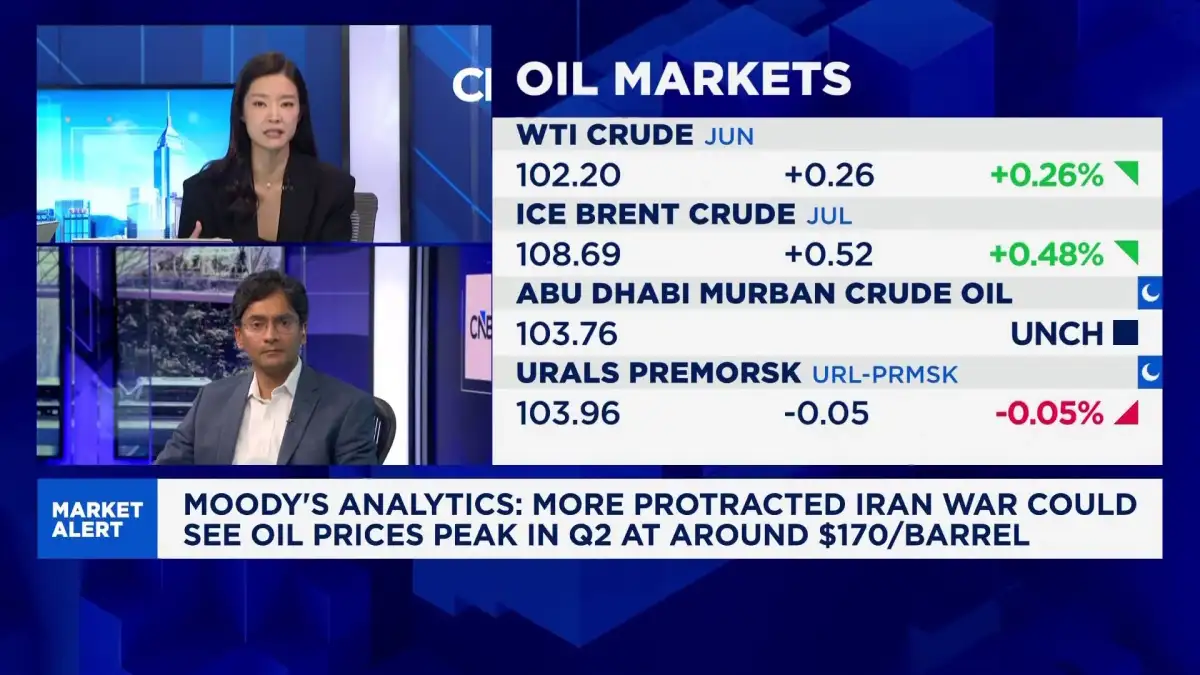
Higher gas prices are disproportionately burdening Americans with less financial flexibility, forcing difficult spending choices and exacerbating existing economic disparities, according to recent analyses. While wealthier households have maintained or even increased spending, those at the lower end of the income spectrum are significantly cutting back on fuel consumption, yet still finding themselves spending more overall at the pump.
The Federal Reserve Bank of New York's latest research highlights a stark divergence in economic experiences. =Economists observe that lower-income individuals have seen substantially less wealth growth compared to their more affluent counterparts, who have benefited from surges in asset values.= This inflation, particularly at the gas pump, amplifies this trend.
For many on tighter budgets, the increased cost of fuel translates directly into sacrifices elsewhere. Reports indicate that some individuals are already reducing essential expenses, such as cutting back on meals, to accommodate the soaring price of gasoline. This crunch is impacting daily budgets, potentially forcing spending cutbacks as early as May.
Read More: Goldman Sachs predicts 15 million US jobs lost to AI by 2036
While middle-income households find themselves between these two extremes, the economic narrative remains clear: =the surge in gasoline prices is acting as a significant drag on the finances of lower-income Americans.= This phenomenon is not entirely new, with analyses from previous periods also pointing to the disproportionate impact of rising costs on those with less disposable income.

The current situation is framed within a broader economic context that has seen inflation affect those least able to absorb higher prices more severely. This "K-shaped economy," a term referring to the uneven recovery and growth patterns seen post-Covid, is becoming increasingly evident, with rising fuel costs serving as a prominent catalyst.
Further compounding the issue are concerns that higher energy prices could "leak" into the cost of other necessities like groceries and utilities, though current evidence suggests this has not yet become a widespread trend. However, the risk remains, particularly for households already struggling to absorb the increased cost of transportation.
Read More: New Cars Under $25,000 Drop to Only 11 Models in April 2026
Historical Context and Broader Economic Forces
The current impact of gas prices is occurring against a backdrop of various economic pressures. For instance, analyses from September 2025 suggested that tariffs could further widen the gap between the affluent and those with less income, as businesses pass on increased costs to consumers. Those with less disposable income, the argument goes, tend to spend a larger portion of their budget on imported goods, making them more susceptible to price hikes driven by trade policies.
Recent reports also touch upon broader societal shifts influenced by these economic realities. Individuals are adjusting their daily routines, opting for public transport or other alternatives to mitigate the impact of high fuel costs. This reflects a tangible change in how Americans are living and managing their finances in response to persistent price increases.