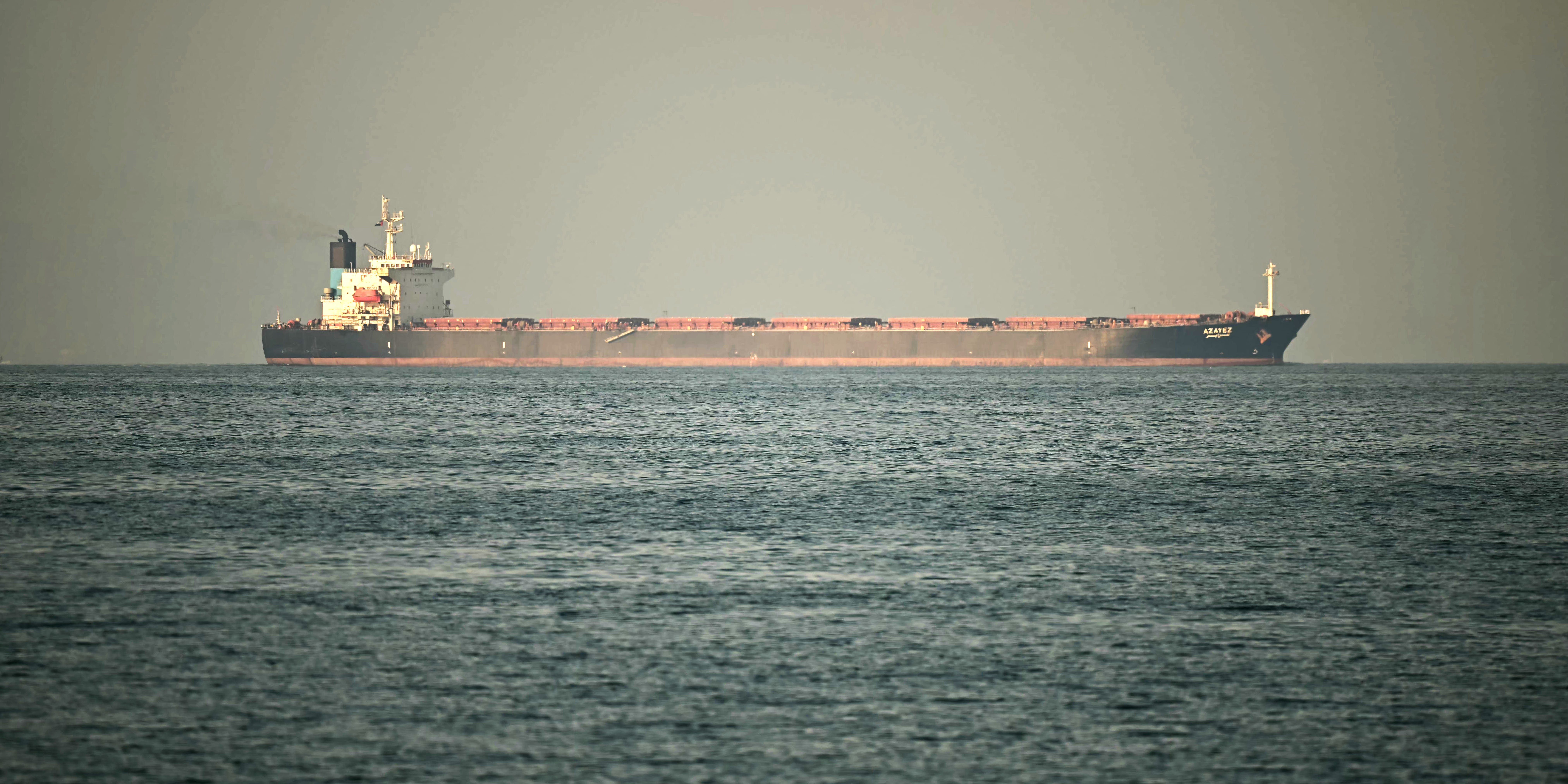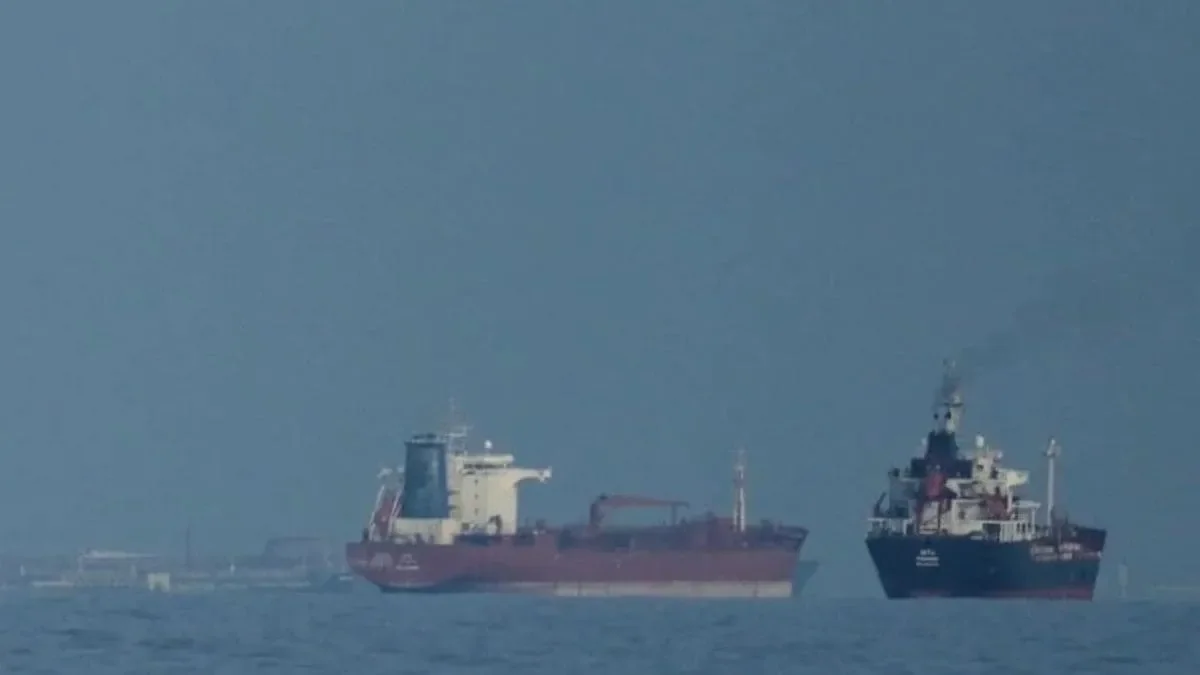
Fears escalate in the Middle East as maritime traffic reports multiple attacks on vessels, coinciding with Iran's declaration of a closure for the Strait of Hormuz. Reports also surface of US President Trump convening a Situation Room meeting.
The Strait of Hormuz, a critical artery for global oil transport, has been declared closed by Iran. This move follows unconfirmed reports of attacks on several ships traversing the waterway.
The specifics of the ship attacks remain scant, with only vessel reports indicating distress. The juxtaposition of these maritime incidents and Iran's pronouncement regarding the strait fuels apprehension over potential escalation.
The US President, Donald Trump, has reportedly called for a meeting in the Situation Room, the nerve center for national security discussions, though official White House comment is yet to materialize. The convergence of these events suggests a significant and rapidly unfolding geopolitical situation.
Read More: Dow Jones Falls as Iran Conflict News Changes Fast
Broader Context
These developments arrive amidst a backdrop of heightened tensions in the region, with various state and non-state actors engaged in complex, often opaque, power plays. The Strait of Hormuz, a narrow waterway separating the Persian Gulf from the Gulf of Oman, handles a significant portion of the world's seaborne oil trade, making any disruption there have immediate global economic implications.
Past incidents involving shipping in this strategic chokepoint have often been attributed to, or claimed by, various parties, leading to cycles of accusation and counter-accusation. The current reports, still largely unverified, feed into this pattern of uncertainty and heightened alert.