Dow Jones Futures Signal Instability Amid Shifting Ceasefire Narratives
Dow Jones futures are exhibiting volatility, a direct response to the oscillating news surrounding the US-Iran conflict and its implications for the critical Strait of Hormuz. The market’s initial embrace of a reported ceasefire, which saw a surge of over 1,300 points in the Dow Jones Industrial Average and oil prices dipping below $100, has been tempered by subsequent reports from Iranian news outlets. These reports suggest Tehran is suspending tanker traffic and contemplating withdrawal from the agreement, apparently in response to continued Israeli strikes in Lebanon.
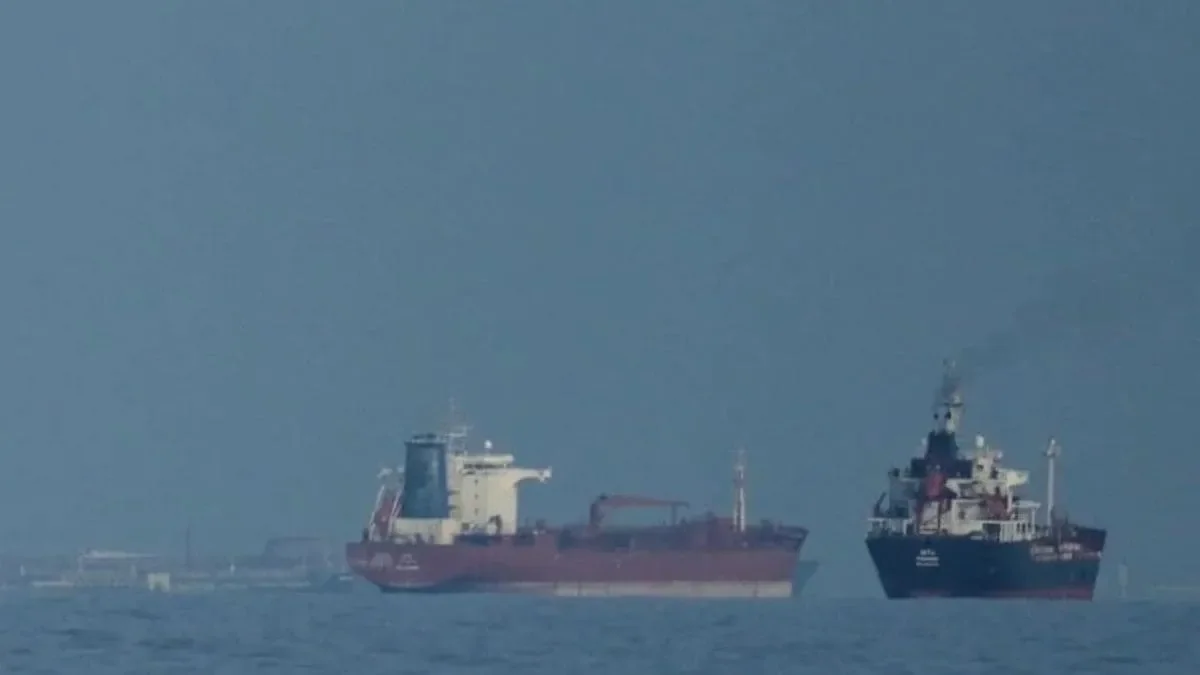
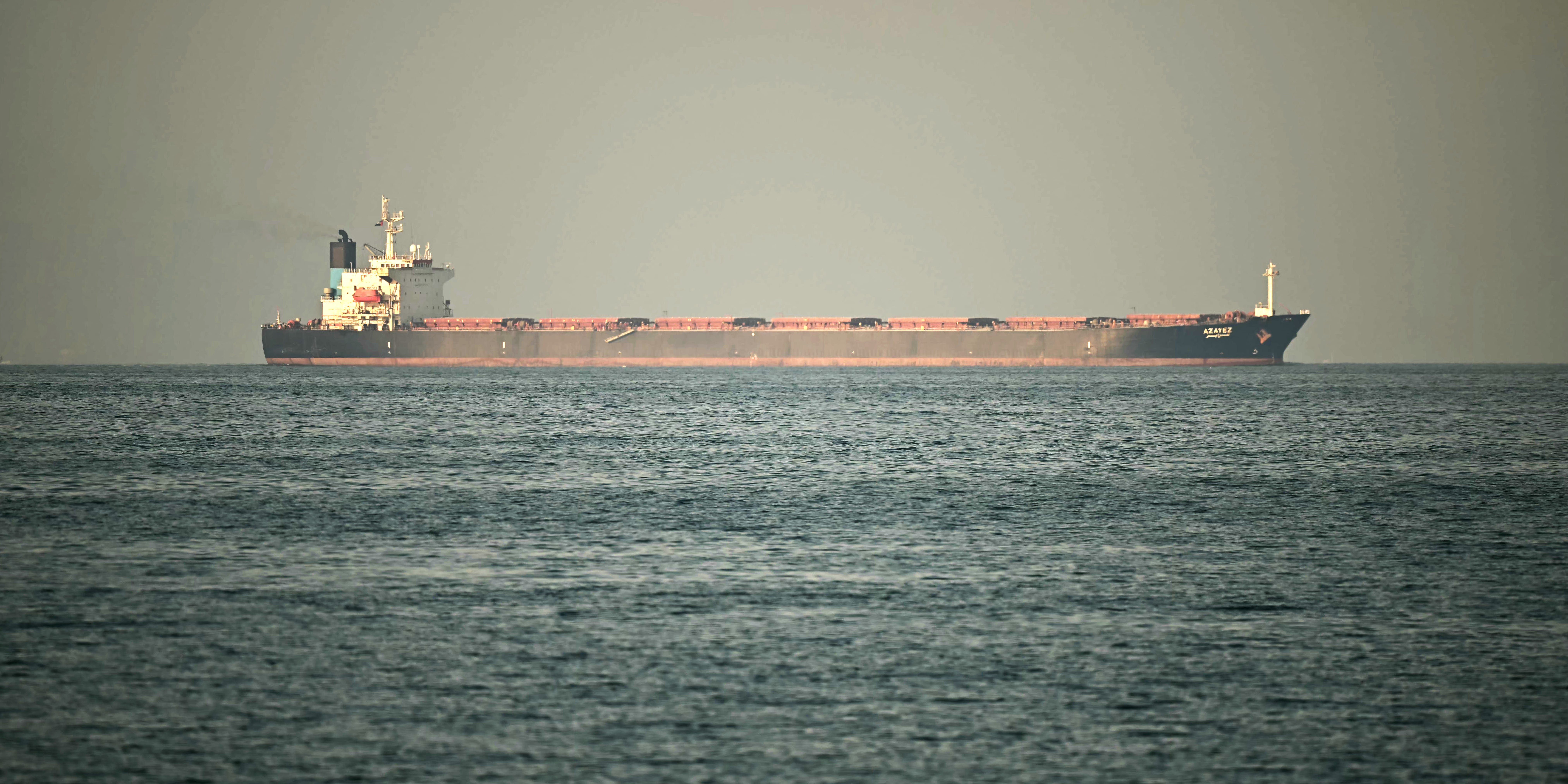
The critical factor driving market sentiment appears to be the Strait of Hormuz’s status. News of its potential closure or continued openness has demonstrably swayed stock indices and oil prices with remarkable speed.
Oil Prices Exhibit Erratic Behavior
Oil prices have been a focal point, plummeting below $100 per barrel on hopes of a US-Iran ceasefire, only to surge above that mark again as tensions re-escalate. This instability reflects the market’s deep-seated fears of a prolonged energy shock. Energy stocks, initially showing weakness on ceasefire hopes, are now facing renewed selling pressure.
Read More: Software Stocks Rise on Wall Street After AI Worries
The Dow Jones Industrial Average jumped 1,325 points (2.9%) to close at 47,910 following initial ceasefire announcements.
The S&P 500 climbed 166 points (2.5%) to 6,783.
The Nasdaq Composite rose 2.8%.
However, later reports suggest a more precarious situation.
Geopolitical Developments and Market Undercurrents
The dynamic between US President Trump's announcements and Iranian responses forms the core of market uncertainty. Trump’s declaration of a ceasefire on Truth Social, contingent on the reopening of the Strait of Hormuz, initially buoyed markets. Yet, subsequent Iranian media reports detailing the suspension of tanker traffic and potential withdrawal from the agreement have introduced significant doubt.

"President Trump announced a ceasefire deal with Iran on Tuesday night on Truth Social, which he said was contingent on the reopening of the Strait of Hormuz. However, later in the day, Iranian news outlets reported that Tehran is suspending tanker traffic in the strait and considering pulling out of the ceasefire agreement after Israel continued to strike Lebanon."
This push-and-pull between de-escalation and renewed conflict directly impacts energy stocks, airlines, and other companies sensitive to oil prices. Wall Street veterans are recalling historical instances where Hormuz tensions led to oil price spikes and equity declines, underscoring the fragility of current market stability.
Read More: Iran Strait of Hormuz Restrictions Because of US Blockade
The Federal Reserve is reportedly monitoring these energy-driven inflation risks, with financial conditions indexes being used as gauges for market stress. While the US economy has shown some resilience to past oil price hikes, sustained global supply shocks remain a concern.
The US Navy’s involvement, sending destroyers through the strait and preparing for mine-clearing operations, signals a potential escalation or a deliberate pressure tactic. This naval strategy aims to target Iran’s economic lifeline and its control over the Strait.
"Talks between the two countries ended without a deal over the weekend, prompting President Donald Trump to announce that a naval blockade will be imposed on the Strait of Hormuz."
The situation remains fluid, with outcomes hinging on the duration and breadth of any disruptions. Reports of Iran declaring the Strait of Hormuz open, juxtaposed with Trump's continuation of a naval blockade, further highlight the complex and contradictory information influencing market reactions.
Background and Broader Economic Implications
The conflict's impact on oil prices introduces significant uncertainty for financial markets. Persistent high energy prices risk elevating borrowing costs, potentially acting as a headwind for both stock and bond markets. While some disruptions may be temporary, the real concern lies in their potential persistence and impact on headline inflation. The Middle East conflict may also bolster arguments for increased US defense spending. The long-term effects remain dependent on how long the disruption lasts and how far it spreads, rather than solely on immediate headlines.
Read More: Ackman Defends Griffin's $238M Penthouse from New Tax Plans