


==The Assembly of Experts, the body tasked with selecting Iran's supreme leader, has indicated it has reached a majority consensus on a successor to the recently deceased Ayatollah Ali Khamenei. However, the name of the chosen individual has not been publicly disclosed.

This development marks a significant juncture for Iran, ushering in a new leadership phase that carries considerable weight for both its internal governance and its international standing. The successor will inherit a nation grappling with economic pressures, regional entanglements, and ongoing global scrutiny.

Sources within the Assembly, including members like Ayatollah Mohammadmehdi Mirbaqeri and Ahmad Alamolhoda, have confirmed that a decision has been made, with the head of the assembly's secretariat, Ayatollah Hashem Hosseini Bushehri, reportedly responsible for the formal announcement. Some reports suggest the decision may have been finalized without a formal in-person meeting, a deviation possibly influenced by the prevailing air war.
Read More: South Australia Election 2024: Labor Wins, One Nation Surges Past Liberals
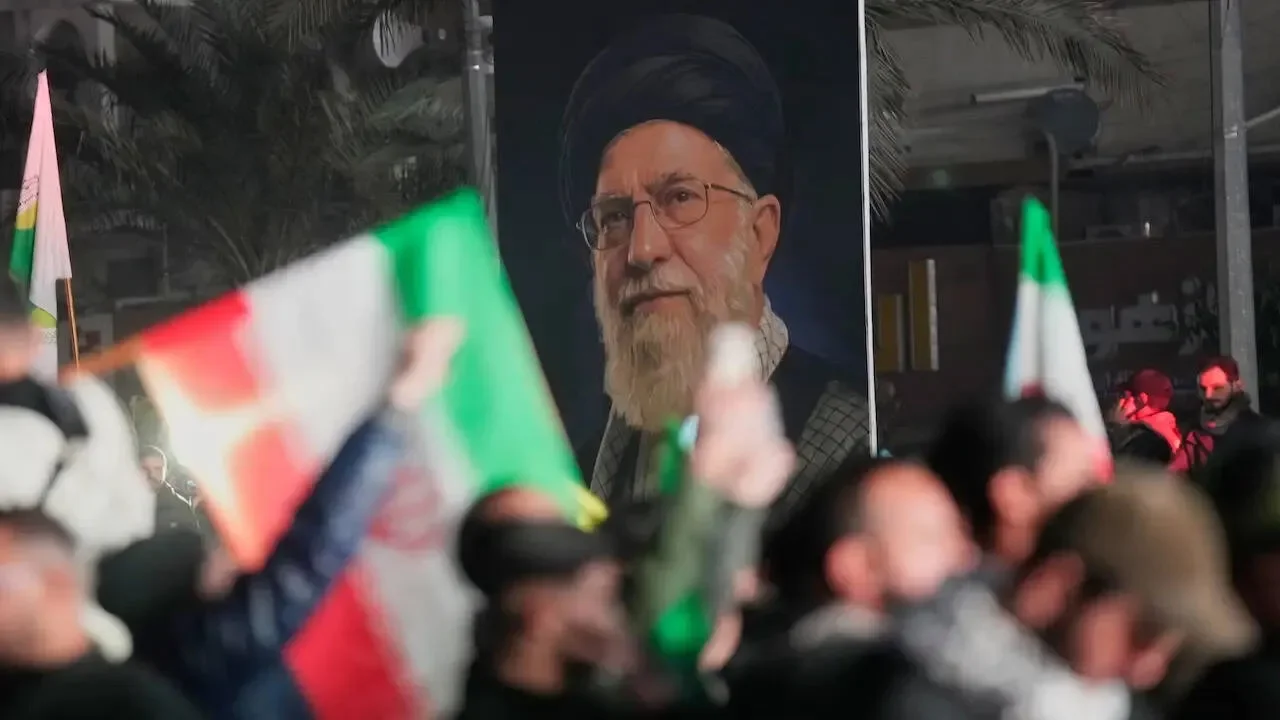
A Son's Shadow Looms
Whispers surrounding the succession have pointed insistently toward Mojtaba Khamenei, the son of the late Ayatollah Ali Khamenei. His name has been a prominent, if unofficial, contender throughout the selection process. Prior to the recent airstrikes that claimed his father's life, Mojtaba Khamenei was already considered a significant possibility for the role.
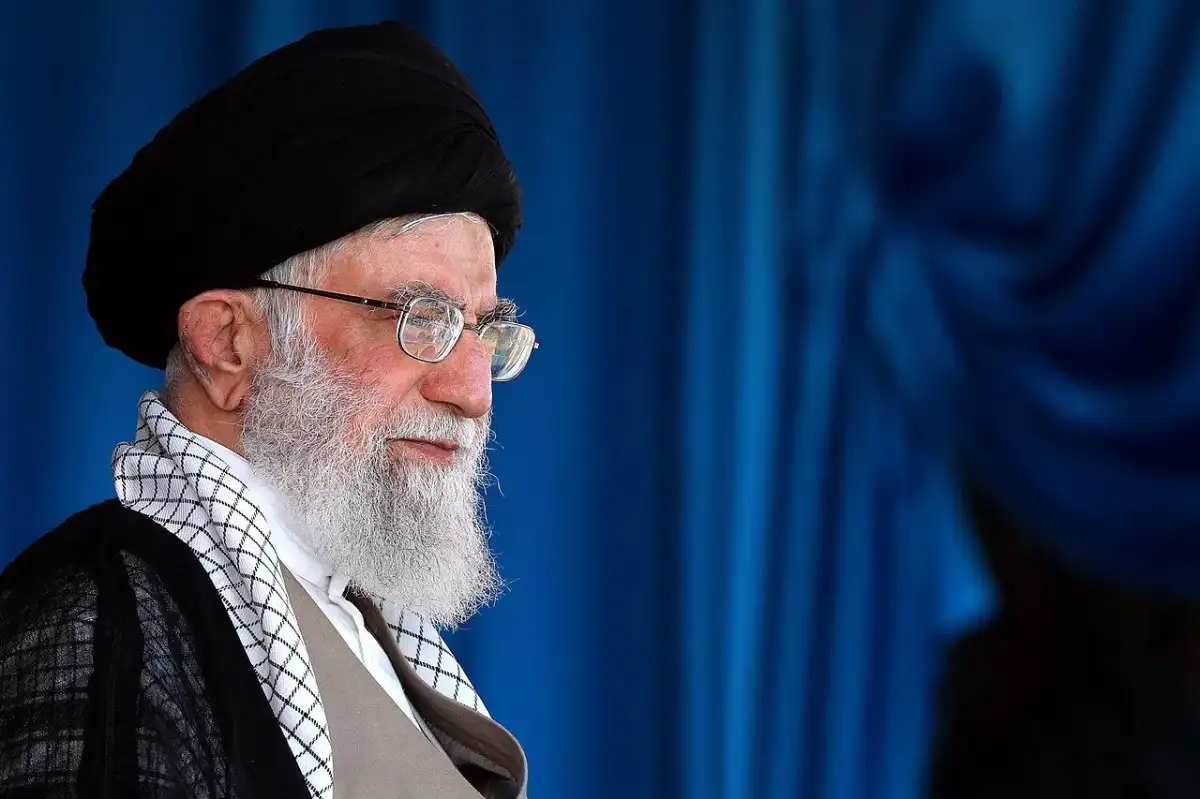
His elevation has drawn criticism, with some observers suggesting it could foster a hereditary system within the Islamic Republic, akin to a theocratic monarchy. Notably, Mojtaba Khamenei is described as a mid-ranking cleric who has maintained a deliberately low public profile, lacking any elected government positions or formal public roles. His current whereabouts are not officially confirmed, with speculation suggesting he may be in hiding due to ongoing air strikes.
International Posturing
The selection process has not occurred in a vacuum. Reports indicate that the selection was made under perceived pressure from the 'Revolutionary Guards'. Internationally, Israel has issued a stark warning, vowing to target any successor to Ayatollah Ali Khamenei.
Read More: Ankara seeks wider security pact with Egypt, Saudi Arabia, Pakistan
Background to the Transition
Ayatollah Ali Khamenei's death, reportedly occurring on February 28th following joint US-Israeli airstrikes targeting his offices, has precipitated this leadership change. The Assembly of Experts, comprised of clerics, holds the ultimate authority in appointing and overseeing the Supreme Leader, Iran's highest political and religious authority. This succession process is considered a pivotal moment, shaping the future direction of the Islamic Republic's domestic policies and its foreign relations.


:max_bytes(150000):strip_icc():focal(749x0:751x2)/ayatollah-ali-khamenei-030926-1-35238c3c9a484125aa95ac665d7cbc9c.jpg)


