Tehran - Amidst ongoing military actions, Iranian leadership is projecting a sense of ascendancy, with indicators suggesting a belief that the protracted conflict favors their long-term strategic interests. The regime, even after initial airstrikes that reportedly eliminated Supreme Leader Ali Khamenei, appears to have consolidated power, according to analyses. This internal cohesion, from their perspective, is framed as a form of 'winning' the war.

The core of Iran's perceived advantage lies in its willingness to sustain a prolonged conflict, a stance that seems to position them to impose terms on adversaries and potentially secure dominance over critical energy resources in the Persian Gulf. This strategy, marked by a readiness to inflict costs and a perceived benefit from the passage of time, stands in contrast to the stated intentions of leaders like President Trump and Prime Minister Netanyahu, who have offered differing timelines for a resolution.
Read More: Iranian missiles hit Dimona, Israel, wounding 47 people on March 2024
Shifting Power Dynamics
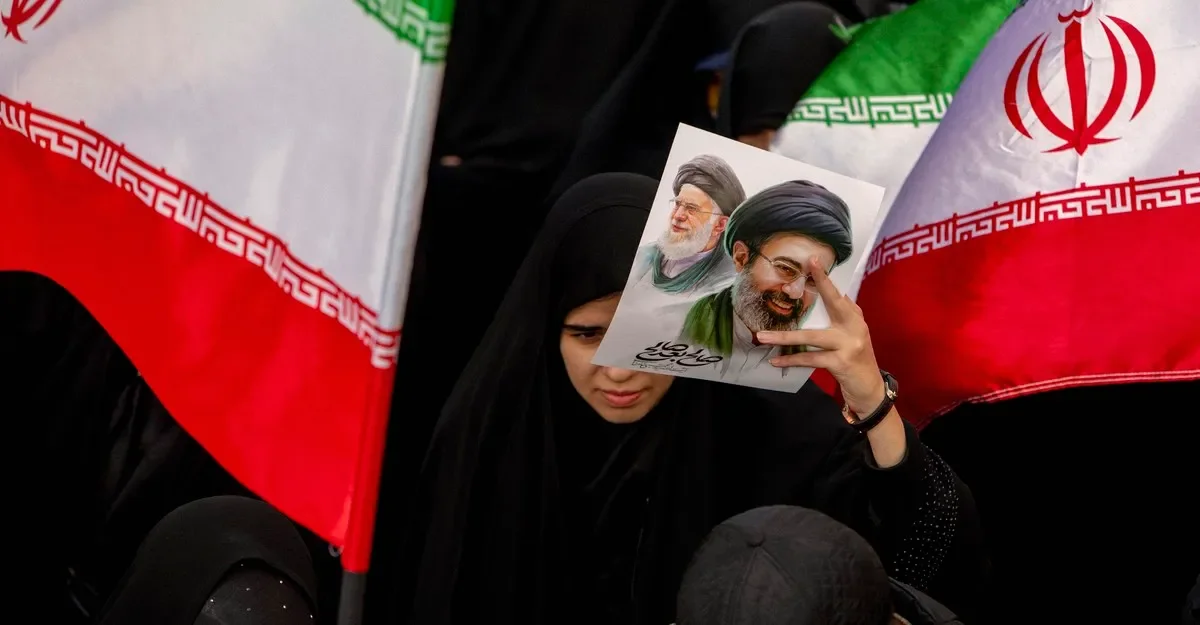
The narrative of Iranian resilience is bolstered by the reported consolidation of power within the Islamic Revolutionary Guard Corps (IRGC). The group's leadership now seems to be the sole ruling entity at the top, suggesting a unified command structure even in the face of external pressures. This internal strengthening, analysts observe, contributes to the regime's internal framing of success.
Demands and Dealings
Reports indicate that Tehran is preparing to demand a significant price for ending the war, a stance that aligns with their belief in having leverage. This could involve securing long-term dominance over Middle East energy resources. The conflicting signals from Trump and Netanyahu regarding the war's duration may be part of an effort to influence market reactions and keep Tehran uncertain, though this approach could be a miscalculation regarding their opponents' resolve.
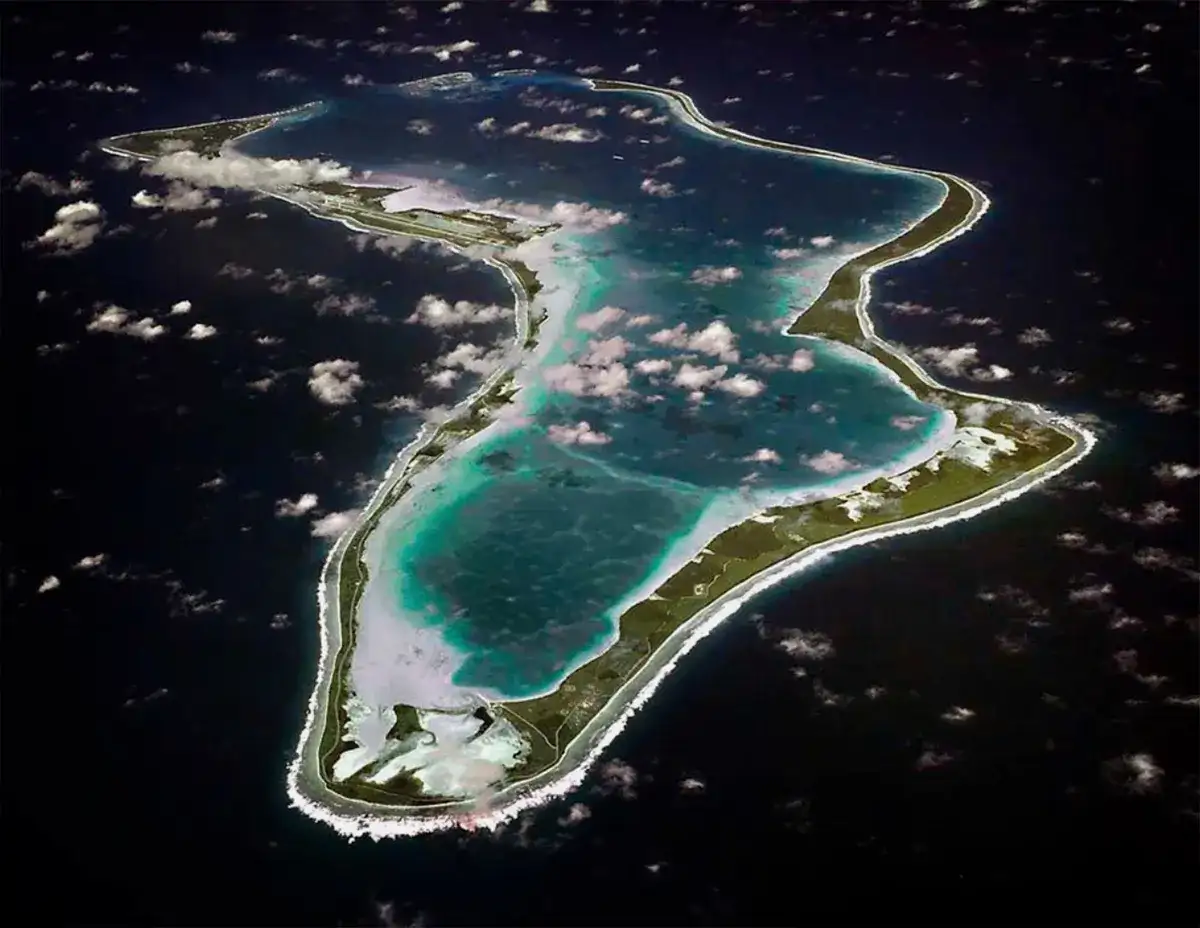
Read More: UK confirms Iran missile attack missed Diego Garcia base on March 21
Tactical Readjustments and Stated Goals
The Iranian forces are reportedly drawing on tactics observed in other conflict zones, such as adopting strategies similar to Ukraine's. While acknowledging tactical successes in degrading Iran's military capabilities, U.S. military planners face the persistent challenge of re-establishing oil trade through the Strait of Hormuz. The ultimate definition of a 'U.S. win' remains a complex question, potentially resting on more than just battlefield achievements.
Uncertain Post-Conflict Landscape
The broader implications of the conflict's endgame are subject to debate. President Trump's stated desire to 'get the job done' is present, but there remains a lack of clarity on his vision for a post-war Iranian government or a strategy for combating extremist groups. This uncertainty about the future shape of Iran adds another layer of complexity to the ongoing situation.