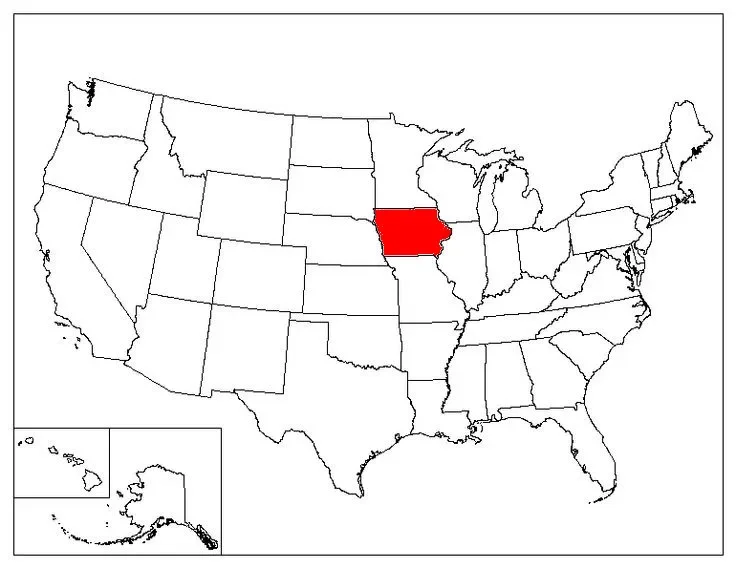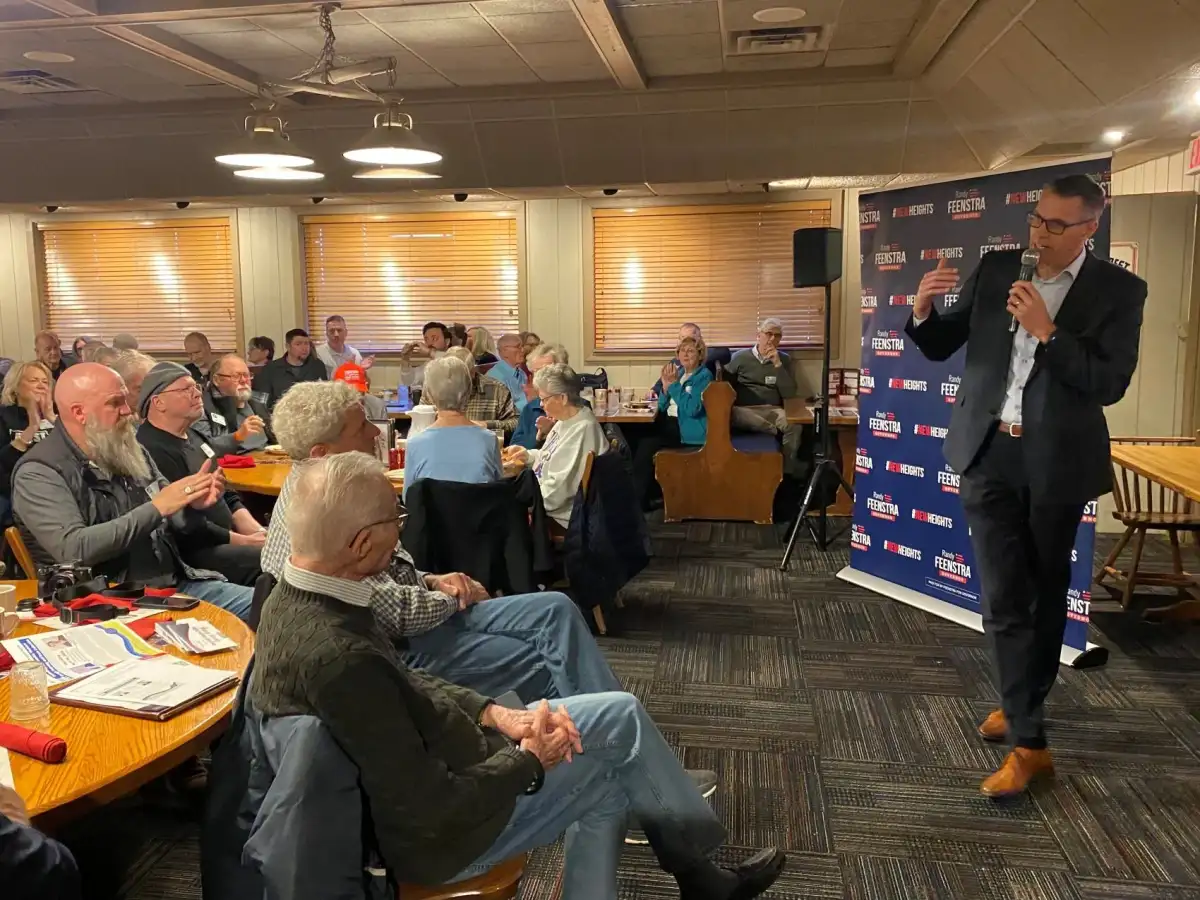
DES MOINES, Iowa - The path to the Republican nomination for Iowa governor appears increasingly muddled, with speculation mounting that the ultimate choice may not be settled by the ballot box but by a party convention. This comes as the June 2 primary approaches, featuring a field of five candidates vying to succeed incumbent Governor Kim Reynolds and face off against the unopposed Democratic nominee, State Auditor Rob Sand.

The possibility of a convention deciding the nominee introduces an unpredictable element into the race, a scenario that could arise if no candidate secures a clear majority of the primary vote. The state party chair, Jeff Hoffman, has urged Republican voters to select the candidate they believe is best suited for the role, a sentiment that underscores the internal debates shaping the party's direction.
Read More: Taiwan Holds Nantou County Drills to Prepare for State Collapse
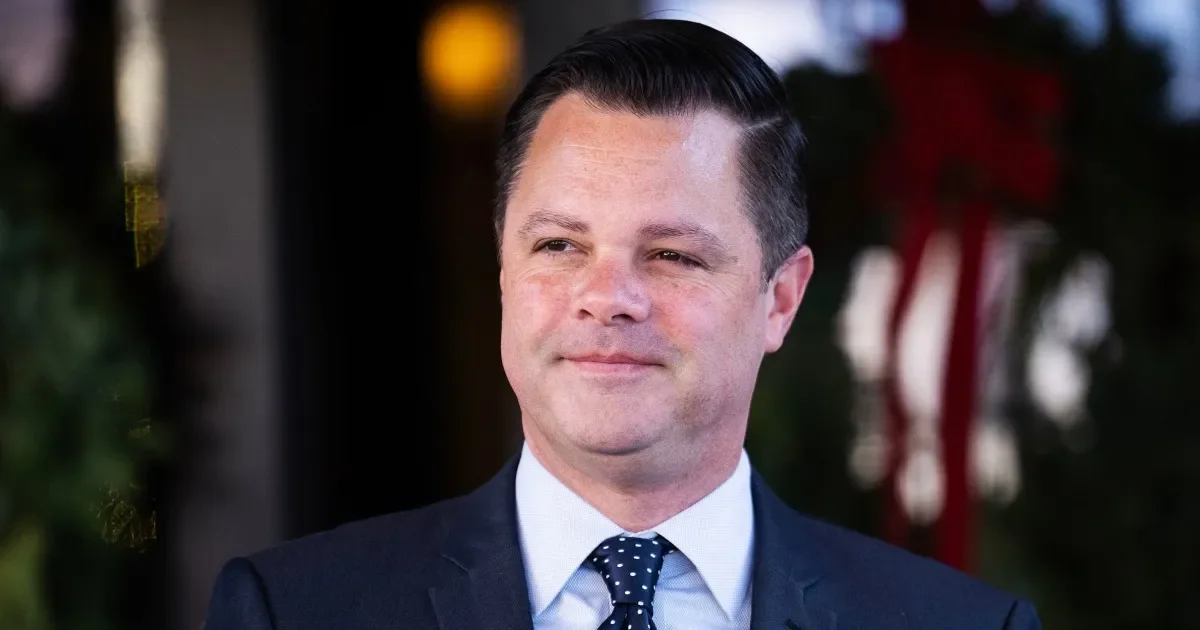
The five Republicans seeking the nomination are Eddie Andrews, Randy Feenstra, Zach Lahn, Brad Sherman, and Adam Steen. Their campaigns have touched upon a range of critical issues, including tax policy, state spending, abortion restrictions, education, public health, and property rights. Candidates like Adam Steen have voiced concerns that a Randy Feenstra nomination could jeopardize the party's chances against Rob Sand, framing the election as a battle for the state's future direction.
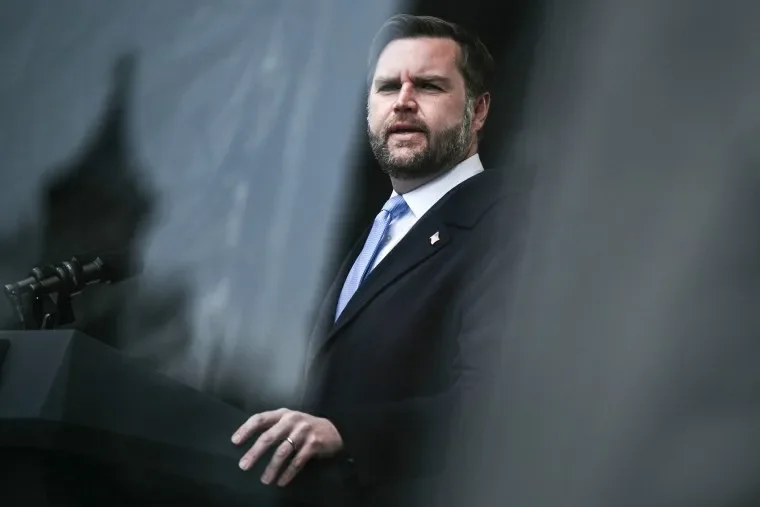
Interviews with the candidates reveal distinct approaches. Eddie Andrews, a state representative, has pointed to his past electoral successes in left-leaning districts as evidence of his general election viability. Zach Lahn has proposed policy shifts, such as banning H1-B visas in state government and universities, and has been noted for his unconventional approach to policy discussions. Brad Sherman has emphasized the need for a governmental balance, while Adam Steen has championed initiatives like the "One Big Beautiful Bill Act" aimed at reducing taxes and public assistance spending.
Read More: Muscatine Family Shooting: Fund Helps Victims' Families
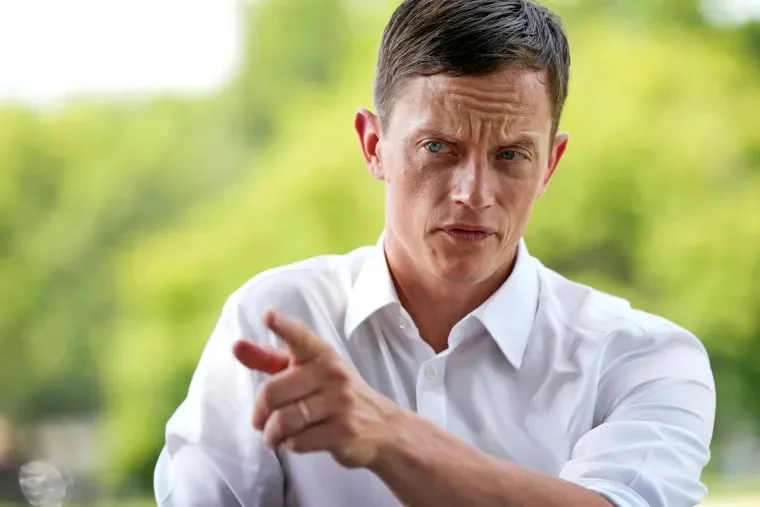
Recent debates have highlighted these divisions. Notably, front-runner Randy Feenstra declined to participate in a recent debate that featured Eddie Andrews, Zach Lahn, Brad Sherman, and Adam Steen. This absence, coupled with the primary's close proximity, suggests a complex electoral landscape where traditional campaign strategies might be overshadowed by convention dynamics.
The broader political context in Iowa indicates a challenging midterm election cycle for Republicans, with the Democratic field for governor consolidated behind Rob Sand, who faces no primary opposition. This situation puts added pressure on the GOP to coalesce around a strong contender to counter the Democrats' seemingly smoother path to the general election.
Read More: FBI Analysts Review Georgia 2020 Election Data in Fulton County
Background: A Shifting Landscape
The race for the Iowa governorship gained prominence following Governor Kim Reynolds's announcement that she would not seek a third term. This opened the door for a new generation of Republican hopefuls. While some candidates have emerged clearly, others, like Amy Sinclair, have kept their aspirations under wraps. The internal Republican discourse seems to be centered on whether to continue Reynolds's established policies or to pursue a different ideological trajectory, a debate that is likely to inform the party's convention proceedings should a nominee not be determined by primary votes.