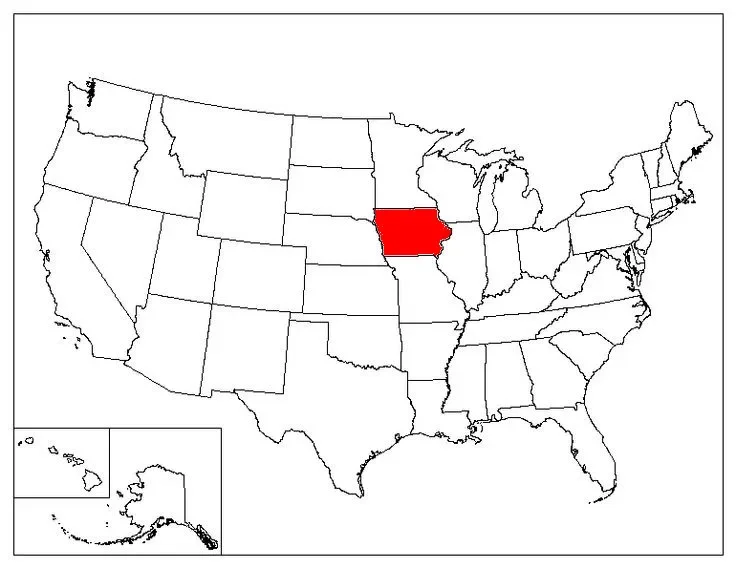
DES MOINES, Iowa - Iowa Democrats are projecting an image of preparedness and renewed engagement as they face competitive midterm elections, seeking to capitalize on open governor and Senate seats – contests they have not secured in years. The state party reports a surge in volunteer sign-ups, with 7,000 individuals joining over the past year, alongside scheduled volunteer training sessions. This influx of support, according to party officials, signals a departure from past periods described as "disarray."
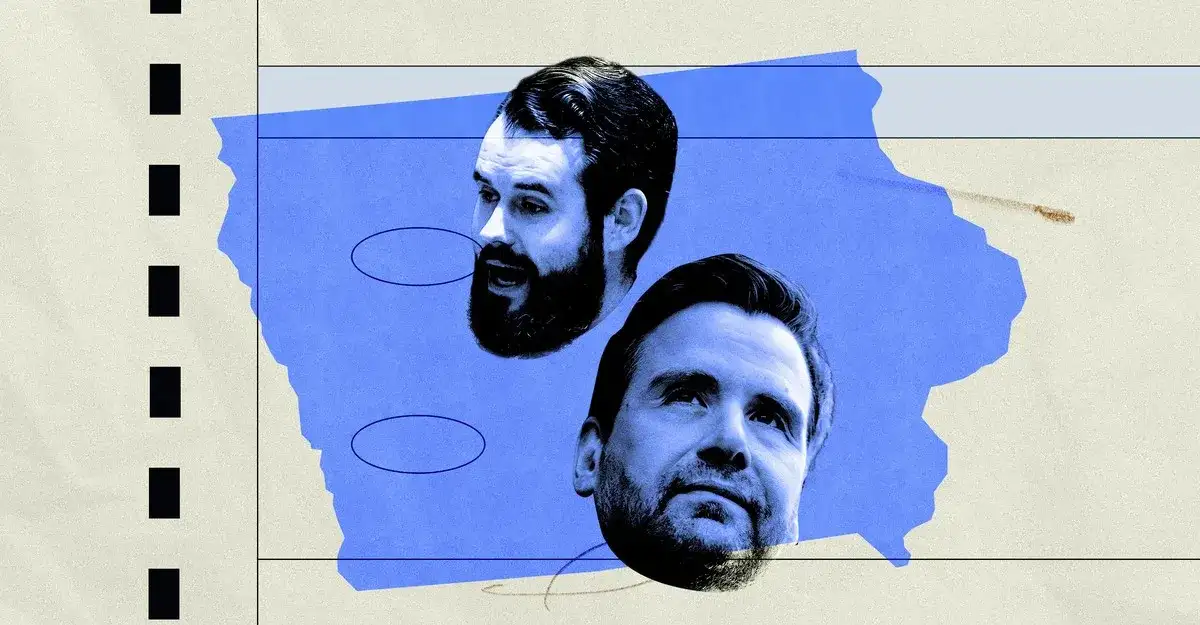
The upcoming primary election on Tuesday will determine the Democratic nominee for a significant U.S. Senate race, alongside other contests, presenting a rare opportunity for the party to re-establish itself as a competitive force in a state that has increasingly leaned Republican. This push comes after a period where Iowa communities, once supportive of Democratic candidates like Barack Obama, shifted their allegiance.
Read More: Taiwan Holds Nantou County Drills to Prepare for State Collapse

The perceived "stumbles" of figures like Donald Trump are being framed by some Iowa Democrats as an opening for political change. Trump himself has made Iowa a focal point for his midterm campaigning, underscoring the state's perceived political significance. However, the long-term shift away from Democratic support in rural areas, a process that took years, presents a formidable challenge.

In recent years, Iowa has seen a consolidation of Republican control, including expanded dominance in the state legislature and victories in all four congressional races. This context highlights the uphill battle for Iowa Democrats as they aim to regain political ground.

Despite the state's "hard-right turn," Iowa Democrats point to recent special election performances as indicators of potential optimism. These include flipping two state Senate seats, narrowly missing another Republican-held House seat, and holding onto a separate House seat. These results have been presented as evidence that voters may be receptive to a change from current Republican leadership.
Read More: Muscatine Family Shooting: Fund Helps Victims' Families
Party activists note that while Iowa has become a challenging environment, with past Democratic presidential nominees opting for more established figures, there's a sentiment that the party needs to nominate candidates who resonate more directly with the state's demographics. The notion of a "rural revival" for Democrats is being discussed as a strategy for 2026.
The landscape for the 2026 midterms includes contested races, with several Democrats announcing campaigns against incumbent Republican Senator Joni Ernst. This signals a more active challenge than in previous election cycles, with various factions within the party rallying behind specific candidates like Rita Hart, the chair of the Iowa Democratic Party, and figures such as Maureen McPhee and Dave Loebsack, who have expressed views on electability and strategic advantage. The Iowa Democratic Party aims to make Iowa a political battleground once again.
Read More: FBI Analysts Review Georgia 2020 Election Data in Fulton County