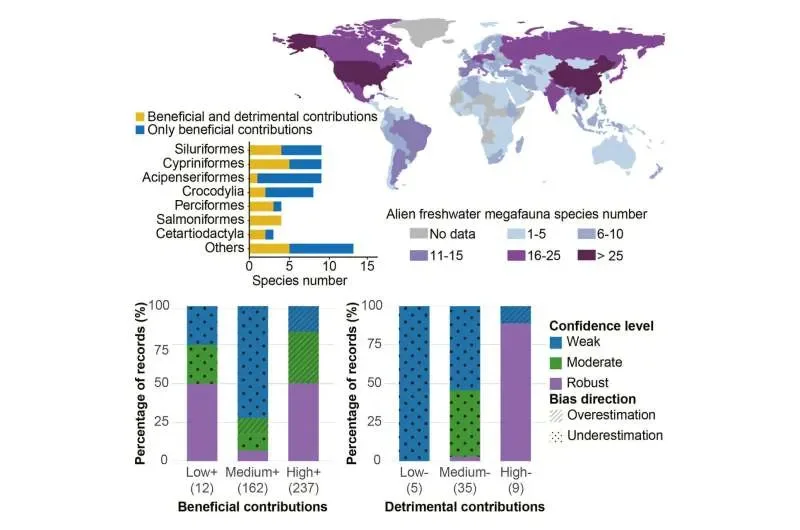
Introduced species, particularly large freshwater organisms, are reshaping North American aquatic environments with often unseen, detrimental consequences. These organisms, whether "carp" or "crocodilians," disrupt existing food webs and habitats, posing significant threats to native biodiversity. The direct competition for dwindling food sources and the destruction of essential spawning grounds are primary mechanisms of this ecological unraveling.
Carp: A Familiar Foe
Invasive carp, a collection of non-native fish, have become a stark example of this phenomenon. These species decimate plankton communities, crucial for the survival of native larval fish and filter-feeding invertebrates like mussels. The disappearance of these plankton resources has a cascading effect, jeopardizing populations that depend on them.
Grass Carp, for instance, obliterate aquatic plant beds. This removal eliminates vital spawning grounds and shelter for native species.
The resulting decline in water clarity impacts native fish that rely on visual cues for hunting and reproduction.
Invasive carp directly compete with native planktivores, such as Gizzard Shad and Bluegill, for the same limited food supply.
Broader Implications
While carp represent a well-documented threat, the broader category of "freshwater giants," which may include deliberately introduced species like certain crocodilians, suggests a pattern of ecological disruption. The deliberate introduction of large, non-native organisms carries inherent risks that are often underestimated or poorly understood. These introductions can lead to:
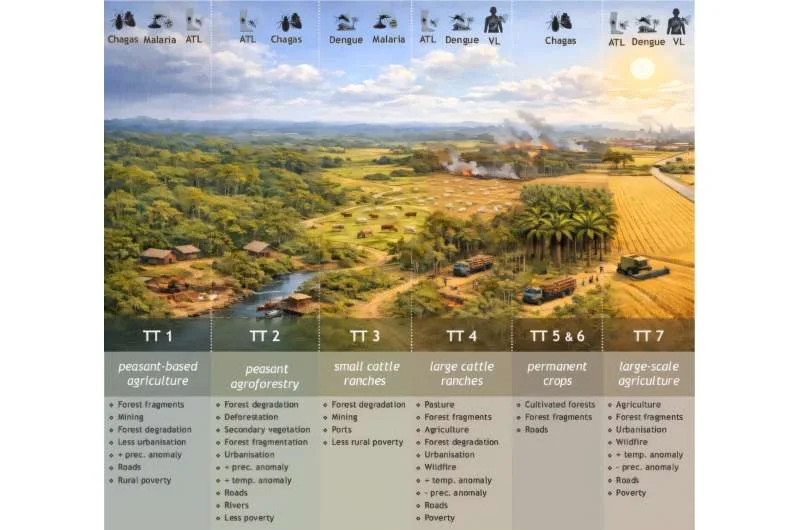
Read More: Amazon Land Use Changes Cause Disease Clusters in Brazil
Altered food web dynamics.
Displacement of native species.
Transformation of habitat structure.
The long-term ramifications of such interventions remain a significant concern for aquatic ecosystems already under stress.