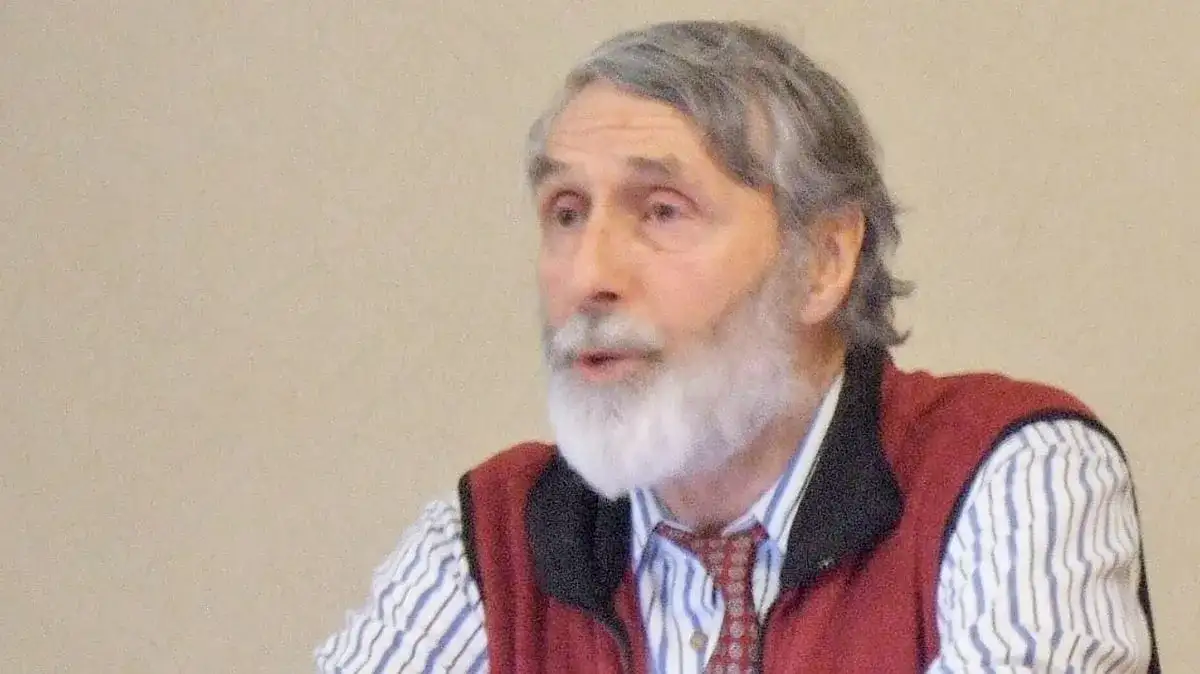
Computer scientist Peter G. Neumann, a tireless voice highlighting the inherent risks in computer systems and corporate digital practices, has died. He was 93. Neumann passed away on Sunday, May 17, 2026, in Santa Clara, California, following complications from a recent fall. For over five decades, Neumann was associated with SRI International, where he carved out a significant, albeit often understated, presence in the burgeoning field of computer security.
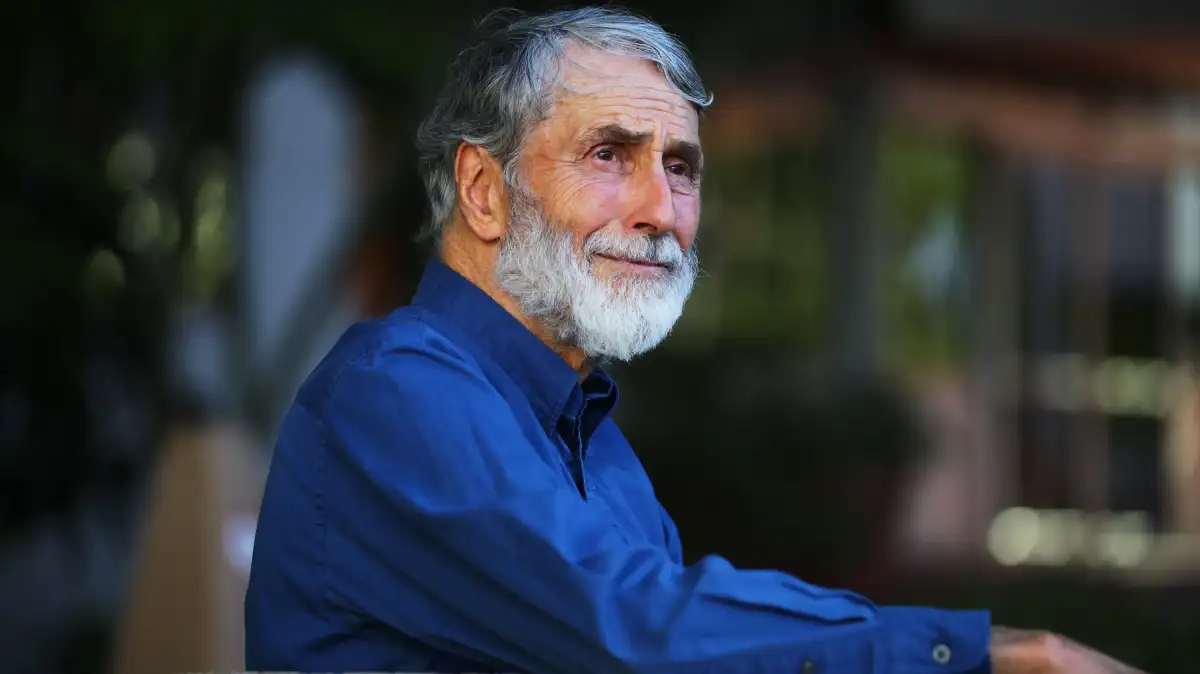
Neumann’s career was marked by a sustained and vocal critique of what he perceived as the technology industry’s insufficient attention to security and privacy. He frequently warned that commercial pressures often overshadowed considerations of public safety in the design and deployment of digital systems. This stance culminated in his long-running stewardship of the RISKS Digest, a prominent forum for discussing and disseminating information about computer-related vulnerabilities. His work also included contributions to the Provably Secure Operating System (PSOS) and involvement with the Multics operating system during its early development in the 1960s.
Read More: Chrome mimeHandler API lets extensions handle file types
Neumann’s intellectual journey began at Harvard University, where he earned multiple degrees in mathematics and applied mathematics. His early academic work touched upon the theory of codes, foreshadowing his later focus on error prevention and system robustness. Beyond his technical contributions, Neumann was recognized for his humility and a distinctive willingness to engage with his community, even leading colleagues in Gilbert and Sullivan songs at conferences. He held fellowships with prestigious organizations such as the ACM, IEEE, and AAAS. In 2018, he was honored with the EPIC Lifetime Achievement Award from the Electronic Privacy Information Center.
His influence extended to editorial roles, including founding the ACM Software Engineering Notes (SEN), and later serving as the moderator for the RISKS Forum and Inside Risks within the ACM SIGSOFT community. Despite his profound impact, Neumann reportedly preferred to maintain a low profile, eschewing much of the public recognition his pioneering work might have warranted. His legacy is tied to his persistent, clear-eyed examination of the often-unseen perils lurking within the digital architecture that increasingly governs modern life.
Read More: Victor Willis of Village People Dies at 74