ACCUSATIONS OF CONCESSION ON ENERGY IMPORTS
The core of recent political contention swirls around India's trade negotiations with the United States, specifically focusing on energy imports and their implications for national sovereignty. Opposition figures, led by Chief Minister Siddaramaiah, are leveling sharp accusations that Prime Minister Narendra Modi's government has capitulated to American demands. The crux of the allegations revolves around India's oil procurement policies.
Reports indicate that under perceived U.S. pressure, India has curtailed its imports of Iranian oil and reduced its purchases of Russian oil. Further restrictions now appear to be in place, with the U.S. reportedly limiting Indian refineries' ability to buy Russian oil to a mere 30-day window. This sequence of events has fueled a narrative that India's decision-making on critical energy supplies is being dictated by Washington, rather than being an independent sovereign choice.
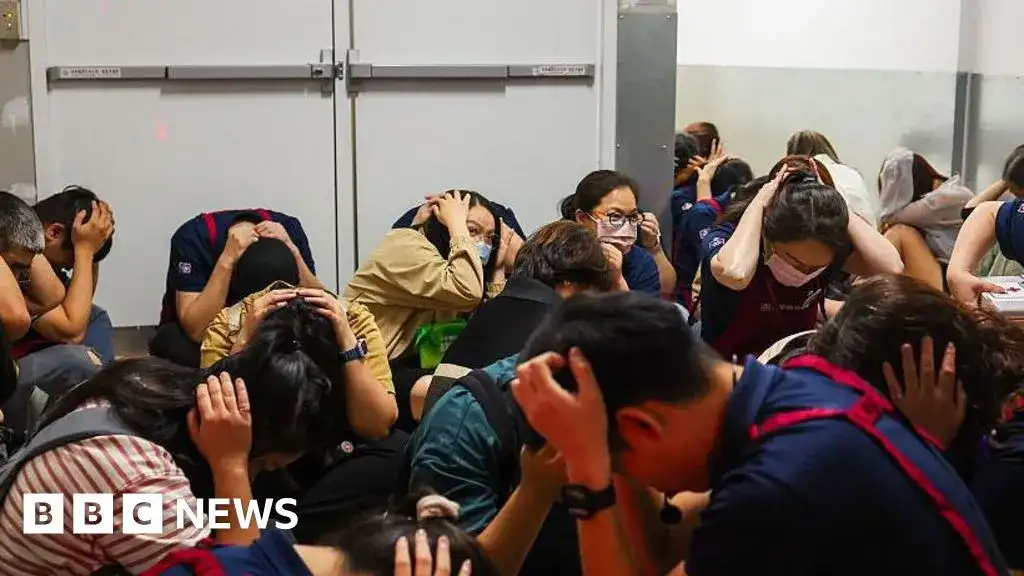
Read More: Taiwan Holds Nantou County Drills to Prepare for State Collapse

This alleged subservience extends to specific trade deals, with opposition parties claiming a recent interim trade agreement is "one-sided" and compromises India's agricultural and dairy sectors.
A White House executive order reportedly mandating India's cessation of Russian oil purchases is cited as a key point of contention.
While U.S. tariffs on Indian products have reportedly been reduced from 25% to 18%, this rollback is alleged to have come with strings attached, including the shift from discounted Russian oil to U.S. supplies.
HISTORICAL CONTEXT AND POLITICAL JAB
The accusations of yielding to U.S. influence are not entirely new, appearing in reports from early February 2026. Prime Minister Modi himself has been depicted as engaging in political sparring, reportedly criticizing the Congress party for the actions of women Members of Parliament and youth activists during recent parliamentary sessions and a summit. This deflection tactic suggests a broader political climate where domestic policy is intertwined with international relations.
The phrase 'surrendering' to the U.S. has become a recurring theme in opposition critiques, framing the trade relationship as one of imbalance.
Chief Minister Siddaramaiah has even called for Prime Minister Modi's resignation, asserting that the trade deal harms India's sovereignty and will be a "death warrant" for farmers.
These exchanges paint a complex picture of a nation navigating international economic pressures while facing internal political scrutiny over its foreign policy choices. The very definition of national interest and autonomy appears to be a point of intense debate.