

)
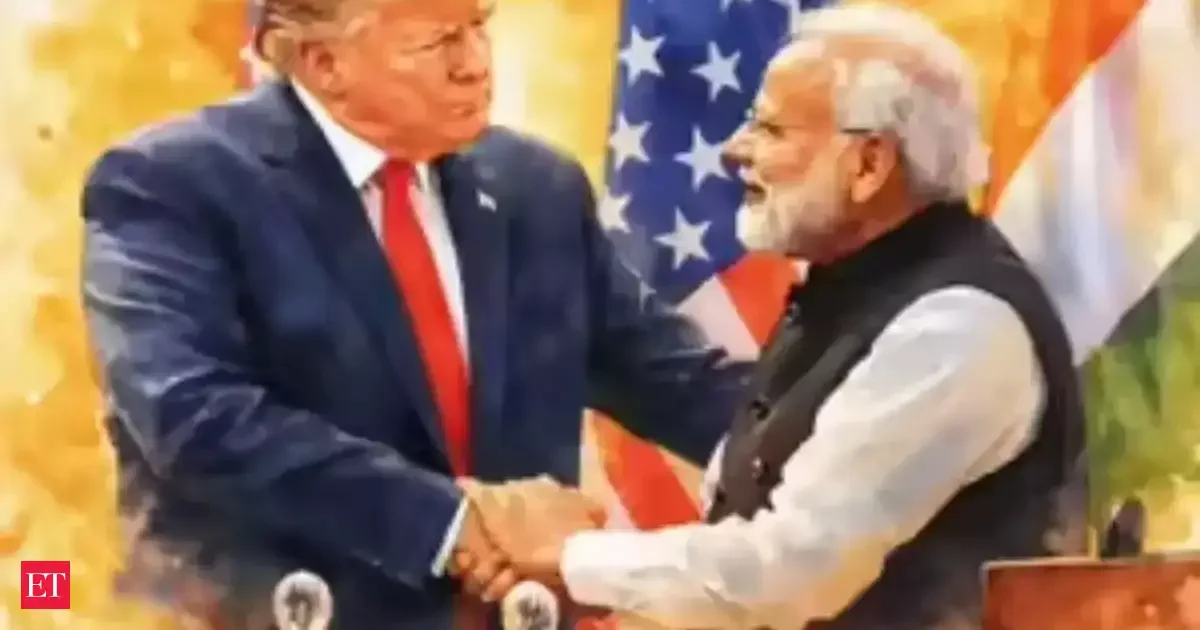
A cloud of optimistic pronouncements has descended upon the India-US trade relationship, with officials and industry players touting an "interim tariff agreement" as a monumental step forward. But as the dust settles, a critical examination is needed: beyond the headlines of expanded market access and tariff cuts, what are the true, long-term implications for Indian businesses, jobs, and our nation's economic sovereignty? Are we genuinely opening doors, or are we merely rearranging the furniture in a global marketplace that has historically favored the powerful?
The fanfare surrounding the recent India-US "interim tariff agreement" is undeniable. We're told of expanded market access, reduced tariffs on key Indian exports like pharmaceuticals, gems, diamonds, and aircraft parts, and the opening of a colossal "$30 trillion market." Union Minister Piyush Goyal and industry representatives are painting a picture of burgeoning export opportunities, job creation, and a stronger "Make in India" initiative. But beneath this shimmering surface of diplomatic success lies a familiar narrative of global trade dynamics, one that demands a deeper, more skeptical inquiry. Have past promises of similar trade deals translated into genuine, widespread prosperity for the average Indian worker and business owner?
A Familiar Dance: A Brief History of India-US Trade Negotiations
This isn't the first time India and the US have engaged in trade talks promising mutual benefit. Remember the World Trade Organization (WTO) disputes? For years, India and the US were locked in a battle over various trade practices, from agricultural subsidies to intellectual property rights. These were often acrimonious, highlighting fundamental differences in approach.
Read More: Schroders Family Stake Sale Rumors: Reports Differ
More recently, we've seen a push-and-pull on market access. India has often faced accusations of protectionism, while simultaneously advocating for fairer terms for its developing economy.
Key Past Incidents:
US Tariffs on Indian Steel and Aluminum (2018): The US imposed tariffs, leading to retaliatory tariffs from India, a classic tit-for-tat that harmed specific industries.
Removal of India's Preferential Trade Status (2019): The US ended India's special trade benefits under the Generalized System of Preferences (GSP), impacting a range of Indian exports. This was a significant blow, particularly for smaller businesses.
Ongoing Discussions on Digital Trade and E-commerce: These have been complex, with India wary of data localization requirements and the dominance of US tech giants.
This latest "interim agreement" appears to be an attempt to de-escalate tensions and find common ground. But how deep does this common ground go, and on whose terms is it being established?
Decoding the "Interim Agreement": What's Really on the Table?
The agreement, as presented, focuses on tariff adjustments for specific sectors. We're hearing about zero tariffs on generic pharmaceuticals, gems and diamonds, and aircraft parts once fully implemented. This sounds promising, especially for sectors where India has a competitive edge.
Read More: ICC Wants Cricket Leaders to Talk During India-Pakistan Match
"Tariffs on specific Indian export categories — notably generic pharmaceuticals, gems and diamonds, and aircraft parts — are scheduled for removal, contingent on successful implementation and finalisation of the interim agreement." - Industry Source (zeenews.india.com)
However, the devil, as always, is in the details and the conditions attached.
Key Provisions Mentioned:
Pharmaceuticals: Reduced tariff barriers for Indian generic drug manufacturers.
Gems and Diamonds: Scheduled tariff removal.
Aircraft Parts: Exemptions and scheduled tariff removal.
Textiles and Apparel, Leather, Footwear, Plastics, Organic Chemicals, Home Decor, Artisanal Products, Select Machinery: Wider US market access due to reciprocal tariff reductions on Indian goods to 18%.
Auto Parts: A tariff rate quota.
Agriculture and Dairy: Safeguards for sensitive products like maize, wheat, rice, soya, poultry, milk, cheese, ethanol, tobacco, certain vegetables, and meat.
The mention of an 18% tariff on a broad range of Indian goods is also noteworthy. While presented as a reduction, it’s crucial to ask: what were these tariffs before? Is this an improvement that significantly boosts competitiveness, or a marginal adjustment? And are these 18% tariffs applied across the board, or are there nuances that favor larger corporations over small and medium enterprises (MSMEs)?
Read More: Rolls-Royce Plans Big Investment in India, More Jobs and Local Parts

"The US will slash reciprocal tariffs on Indian goods to 18 per cent, providing a huge market opportunity in key sectors such as textiles and apparel, leather and footwear, plastic and rubber products, organic chemicals, home decor, artisanal products, and select machinery in the world's largest economy." - Piyush Goyal (economictimes.indiatimes.com)
The $30 Trillion Market: Illusion or Opportunity?
The figure of a "$30 trillion market" has been widely circulated. This is an astronomical number, but it begs the question: how much of this market is realistically accessible to Indian exporters under this interim agreement? Is this figure a representation of the entire US economy, or the portion that Indian goods can now penetrate more effectively?
Consider the auto parts. A tariff rate quota (TRQ) is mentioned. What is the quantum of this quota? How does it compare to current export volumes? Without this clarity, the TRQ could be a very small window, not the wide-open door it's being portrayed as.
Read More: Ships in [Name of Waterway] Have Close Call; Nations Blame Each Other
Furthermore, what about the reciprocal nature of this agreement? While the focus is on Indian gains, what concessions has India made? The safeguarding of farm and dairy products is highlighted, which is commendable for protecting domestic interests. But what other areas might have been opened up that haven't been explicitly detailed in these early reports?
"Make in India" vs. Global Competitiveness: A Delicate Balance
Proponents argue that this agreement will strengthen "Make in India" and create jobs, particularly for women and youth. This is a vital objective. But how does increased market access for specific sectors align with fostering indigenous manufacturing capabilities across the board?

When tariffs are reduced on goods like aircraft parts, are we primarily benefiting existing Indian manufacturers of these components, or are we potentially creating an environment where cheaper imported alternatives might flood the market once the agreement is fully in force, thereby undermining domestic production in other areas?
Read More: Big Chip Factory Closed, Making Computer Chips Harder to Get
The agreement also includes plans to deepen US-India defense cooperation. This is a separate, significant development. How does this intersect with trade? Does increased defense procurement from the US, for instance, create leverage for further trade concessions that might not be in India's best economic interest?
Probing Questions for a Deeper Understanding
As a critical observer, several questions linger, demanding answers beyond the celebratory press releases:
What are the specific metrics for success? Beyond aggregate trade figures, how will the impact on MSMEs, rural economies, and employment be measured?
What were the specific tariffs that have been reduced or eliminated? Without this baseline, it's hard to gauge the true significance of the changes.
What are the "contingent" conditions for tariff removal? What benchmarks must India meet, and who will be the arbiters of this implementation?
What concessions has India made that haven't been explicitly detailed? Are there non-tariff barriers being lowered or market access being granted in sectors not highlighted in the current reporting?
How does this interim agreement align with India's long-term industrial policy and self-reliance goals? Are we becoming a more integrated part of global supply chains in ways that could compromise future domestic growth?
What is the legal framework and dispute resolution mechanism for this agreement? In case of future disagreements, how will India's interests be protected?
How will this agreement impact the balance of trade? Will it lead to a more equitable exchange, or could it exacerbate existing trade deficits in certain categories?
Conclusion: A Step Forward, But Towards What Horizon?
The India-US interim tariff agreement is undoubtedly a significant development in bilateral trade relations. The prospect of reduced tariffs on key Indian exports like pharmaceuticals and gems, coupled with expanded market access, offers tangible benefits for exporters. The commitment to safeguarding sensitive agricultural products is also a crucial win for domestic stakeholders.
Read More: India and US Agree on Trade Deal After Tariff Fights
However, as free thinkers and investigative journalists, we must resist the temptation of uncritical acceptance. The true impact of this agreement will only unfold over time. The headline figures of a "$30 trillion market" need to be contextualized with specific, accessible opportunities for a broad spectrum of Indian businesses, not just the established giants. The strengthening of "Make in India" must be a tangible outcome, not just a rhetorical flourish.
The history of trade deals is often a story of complex negotiations where advantages are carefully weighed. While this interim pact offers immediate gains, it's imperative that India continues to press for a truly equitable trade relationship that fosters sustainable, inclusive growth and empowers its domestic industries for the long haul. The path forward demands transparency, rigorous monitoring, and a constant questioning of whether these agreements serve the broader national interest or merely the interests of a select few.
Sources:
Read More: UK Economy Grew a Little at End of 2025

)


