Prime Minister Narendra Modi's recent calls for national austerity, urging citizens to conserve fuel, curtail foreign travel, and reduce gold purchases, have ignited a sharp political debate. The appeals, framed by the Prime Minister as responses to global disruptions impacting fuel supplies and rising import costs due to ongoing conflicts in West Asia, have been met with skepticism and criticism from opposition parties. They contend that these measures signal a more dire economic reality than publicly acknowledged and represent a sidestepping of governmental responsibility.

The government, through Defence Minister Rajnath Singh chairing a ministerial meeting on the West Asia crisis, has stated that there is no shortage of petroleum products in the country, even as the Prime Minister advocated for reduced fuel consumption. This clarification arrived amidst widespread opposition accusations that the government is preparing the ground for harsher austerity measures, such as fuel price hikes.
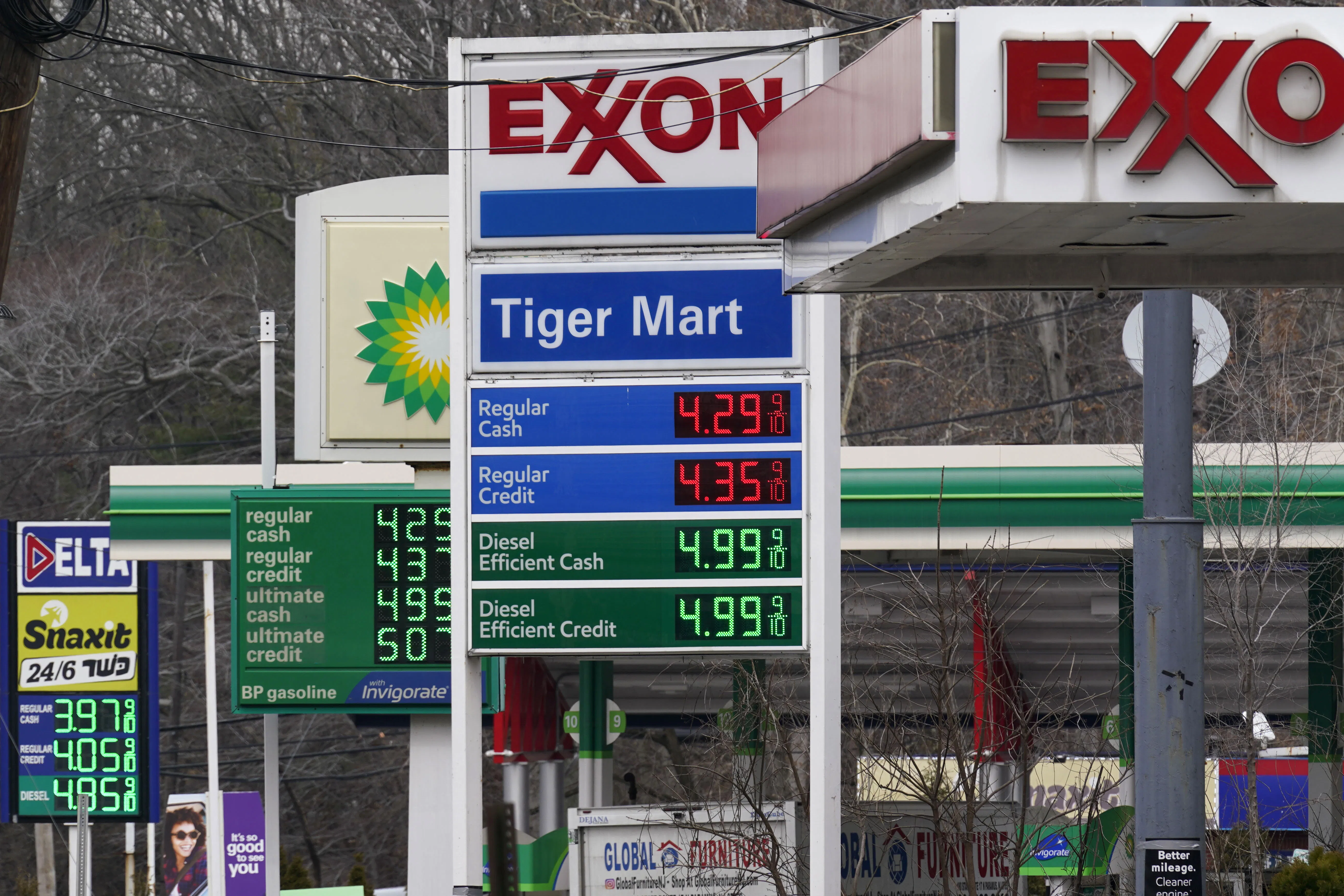
Read More: US May Pause Gas Tax as Fuel Prices Hit $4.55 a Gallon

Opposition Points to 'Failure'
Opposition leaders, notably from the Congress party, have vehemently criticized the Prime Minister's directives. ## Rahul Gandhi labeled the appeals as "proofs of failure," suggesting they are an attempt to shift the burden of economic mismanagement onto the public. ## Jairam Ramesh, a senior Congress leader, interpreted the Prime Minister's calls as an indicator that "the economic situation is far more serious than what official numbers suggest," and that "tough austerity measures… may well be on their way."

The Congress has demanded a special session of Parliament to discuss the "true state of affairs" behind these appeals, with Karti Chidambaram echoing this sentiment. They argue that the ground-level economic situation, marked by stagnant real wages and household debt, is at odds with the government's official narrative.
Rationale Behind the Appeals
The Prime Minister's specific requests include:
Read More: Labour MPs Want New Leader After Election Losses
Reduced fuel consumption: Encouraging practices like carpooling and increased use of public transport.
Postponement of foreign travel: To save foreign exchange reserves.
Reduced gold purchases: As gold imports, alongside oil, are dollar-intensive and can worsen the trade deficit, particularly during periods of elevated crude prices.
Work-from-home (WFH) arrangements: Reviving COVID-era practices to limit commuting.
The government's position, articulated following the Prime Minister's appeals, is that a significant daily loss – reported as ₹1,000 crore – is influencing fuel prices, while simultaneously assuring there are no product shortages.
Industry and Professional Responses
The suggestion of reviving work-from-home practices has found some traction among Indian professionals, who highlight potential savings in time and money. ## IT bodies have reportedly asked the government to issue an official advisory for remote work.
However, the broader economic implications are being dissected. ## Energy experts have warned of potential pressure on fuel prices, noting that disruptions in West Asia affect supply chains and oil marketing companies. The impact on the gold sector is also a concern, with some noting that gold imports are already declining due to elevated prices.
Context of Global Instability
The Prime Minister's appeals are situated against the backdrop of the escalating West Asia crisis, which has disrupted key maritime oil routes, particularly through the Strait of Hormuz. This has implications for India's energy security, shipping costs, imported inflation, and currency stability. The situation mirrors past instances where global conflicts have necessitated careful resource management. Notably, some commentators drew parallels to appeals made by India's first Prime Minister, Jawaharlal Nehru, during the Korean War.
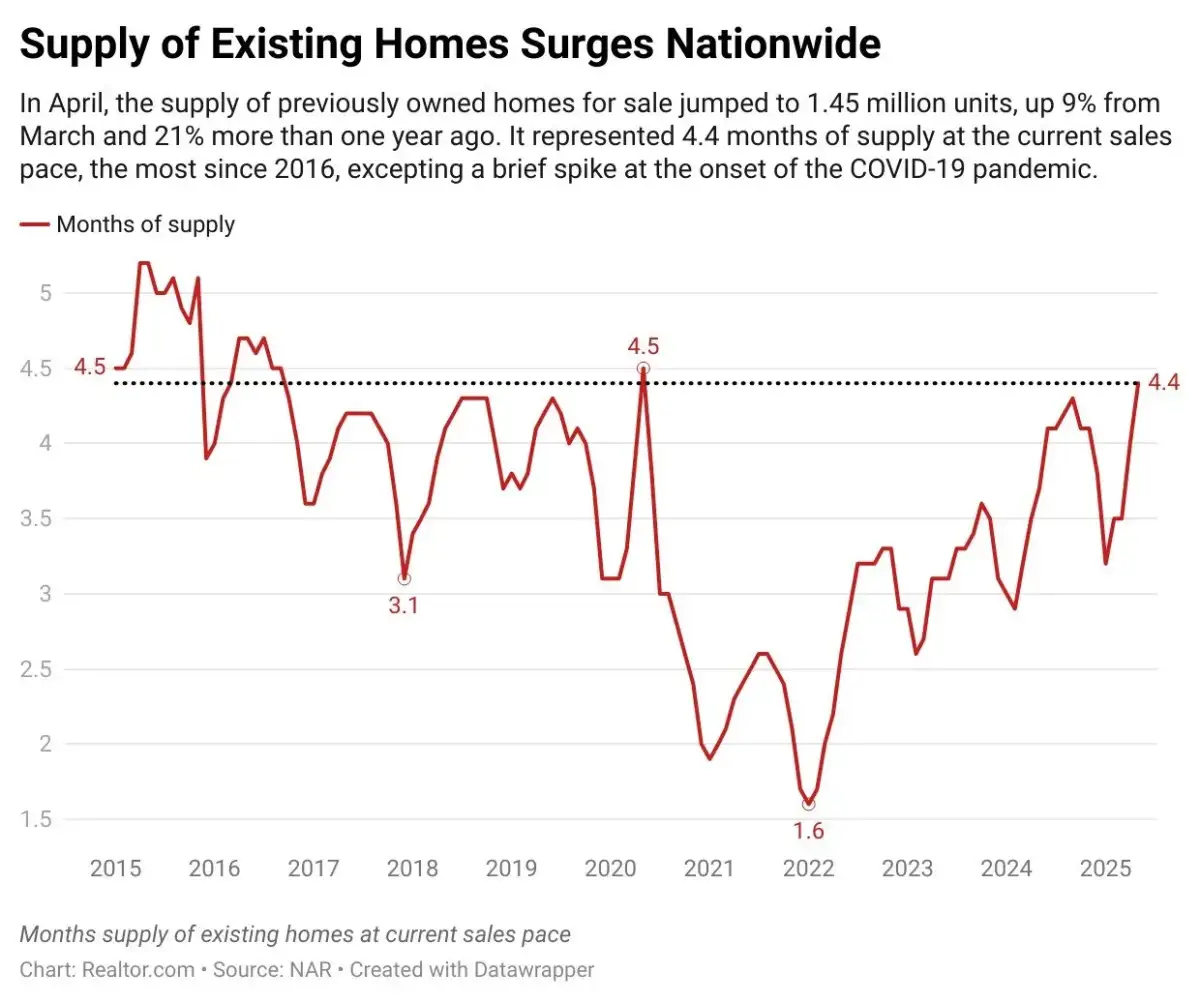
Read More: April Home Sales Slowest Since 2009, Prices Rise Slightly
In a separate, though related, development, Pakistan has also announced austerity measures, including cuts in fuel allowances and a shift to a four-day work week, in response to the global fuel crisis.