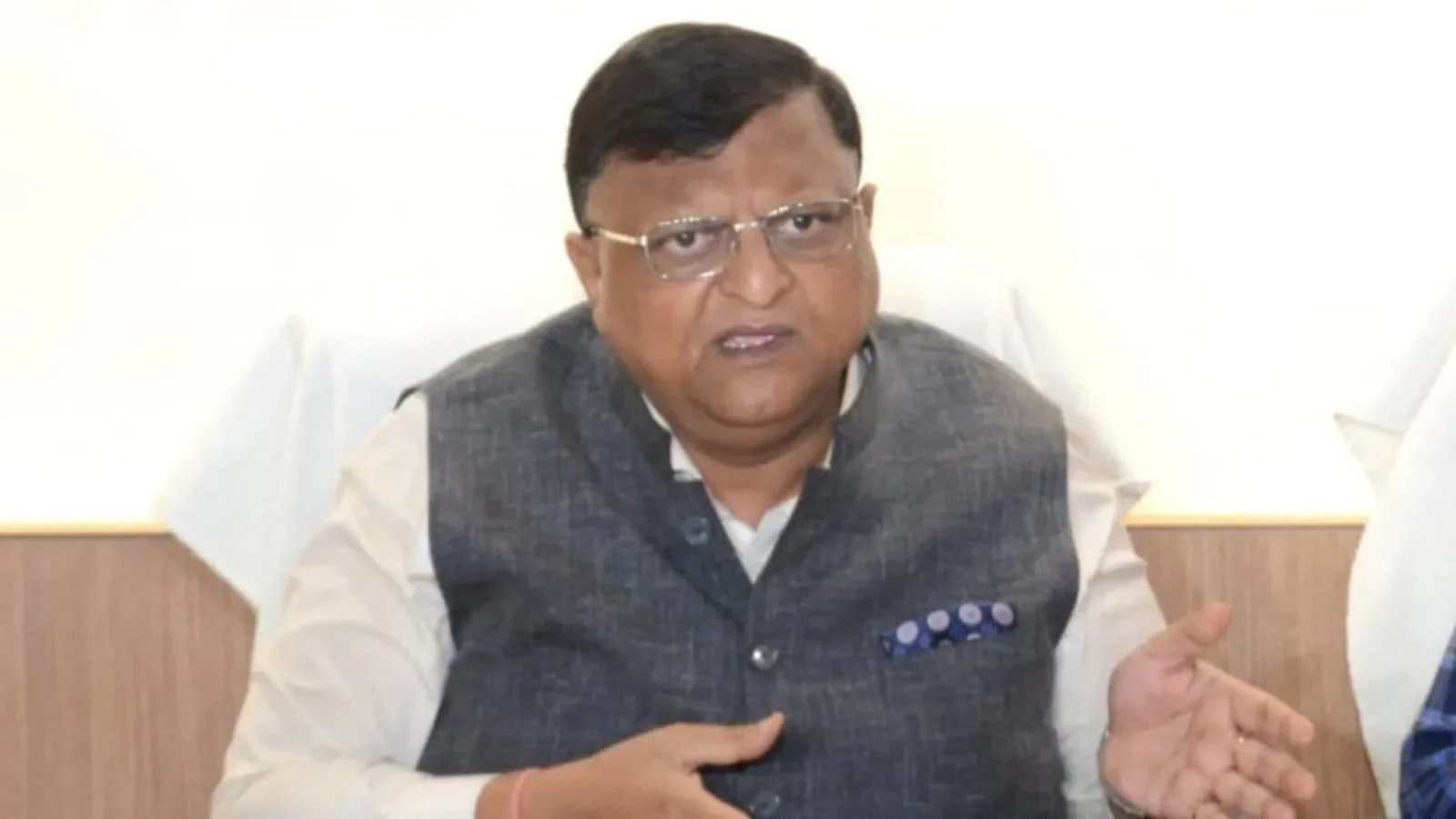
London – Keir Starmer declared he would not resign his leadership position, insisting he would fight any challenge from within the Labour party. This stance follows a widely-publicized speech and press conference delivered Monday, which many characterized as a 'last chance' to salvage his premiership after a series of disappointing election results. Starmer's address offered vague assurances rather than concrete proposals, leading to continued skepticism among party members. The prime minister’s future hangs precariously, with a significant portion of his own Members of Parliament now advocating for his departure.
Starmer’s defiant message, broadcast on Monday morning, was met with a mix of responses. While some MPs offered lukewarm support, others, like [Name Redacted], did not explicitly rule out considering a leadership bid should a contest arise. This internal pressure has intensified following what are described as "disastrous" election outcomes. Starmer's commitment to serving a decade in the role underscores his determination to weather the current storm.
Read More: US-Iran Ceasefire Talks Fail, Oil Prices Rise
The current political climate suggests a precarious hold on power for Starmer. Reports indicate that certain Labour figures had hoped for a more substantial, game-changing announcement from the Monday speech. The absence of such a 'rabbit from the hat' leaves doubters unappeased and the path forward uncertain. His vow to "prove them wrong again" suggests a familiar playbook, one he has used previously when faced with internal dissent.
Background:
The recent political maneuverings come after a period of significant electoral setbacks for the Labour party. Starmer’s leadership has been under scrutiny, with internal factions questioning his strategic direction and public appeal. This situation has led to heightened speculation about potential leadership challenges and the future trajectory of the party. Earlier interventions, such as the significant party conference speech focused on challenging the 'Reform UK' party, had been met with some approval, but the current challenges appear more profound. Starmer’s decision to take a firm stance against joining a US-led military action in Iran, presented as a 'big political choice,' highlights his attempts to differentiate his party’s policy positions.
Read More: UK Midweek Cold Snap: Arctic Air Brings Lower Temperatures