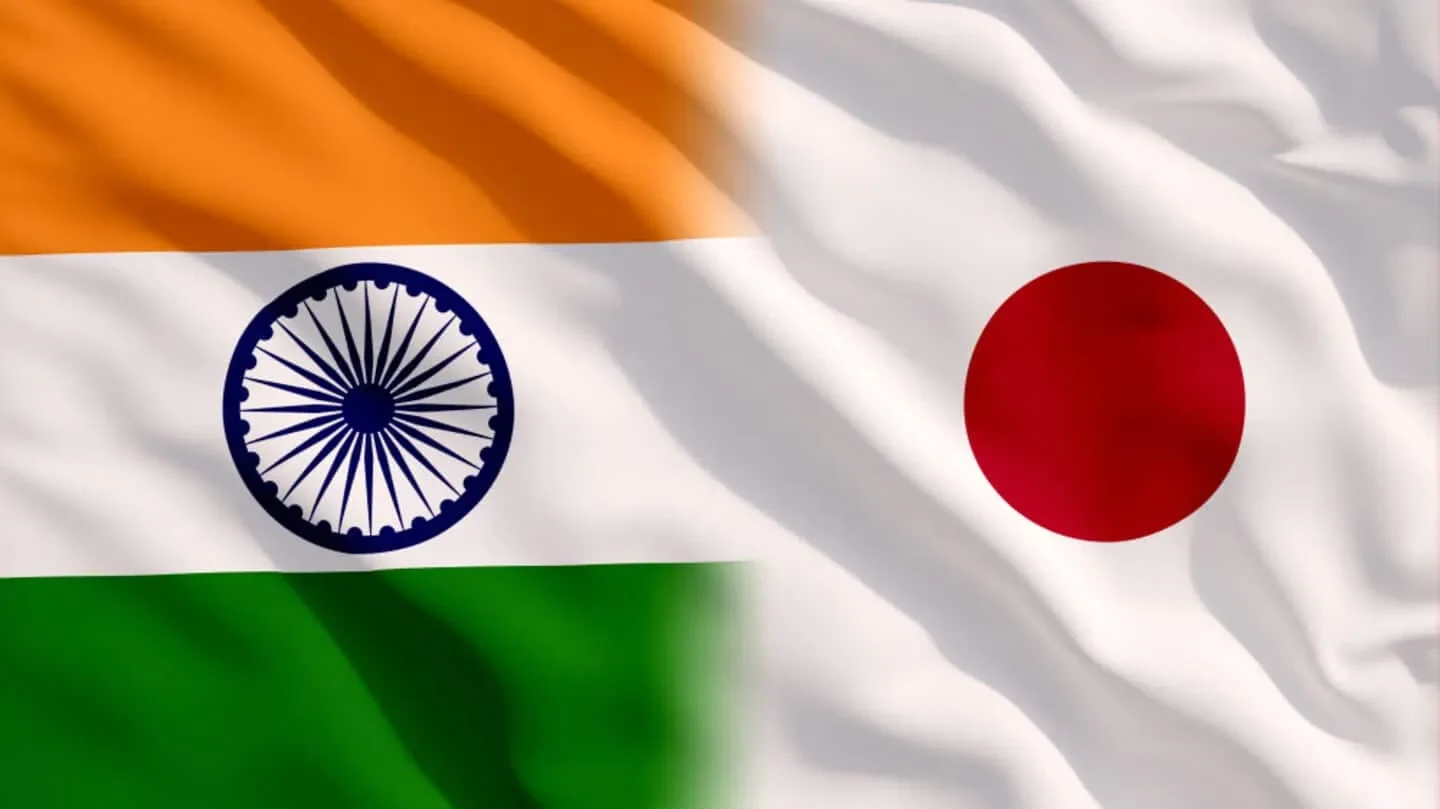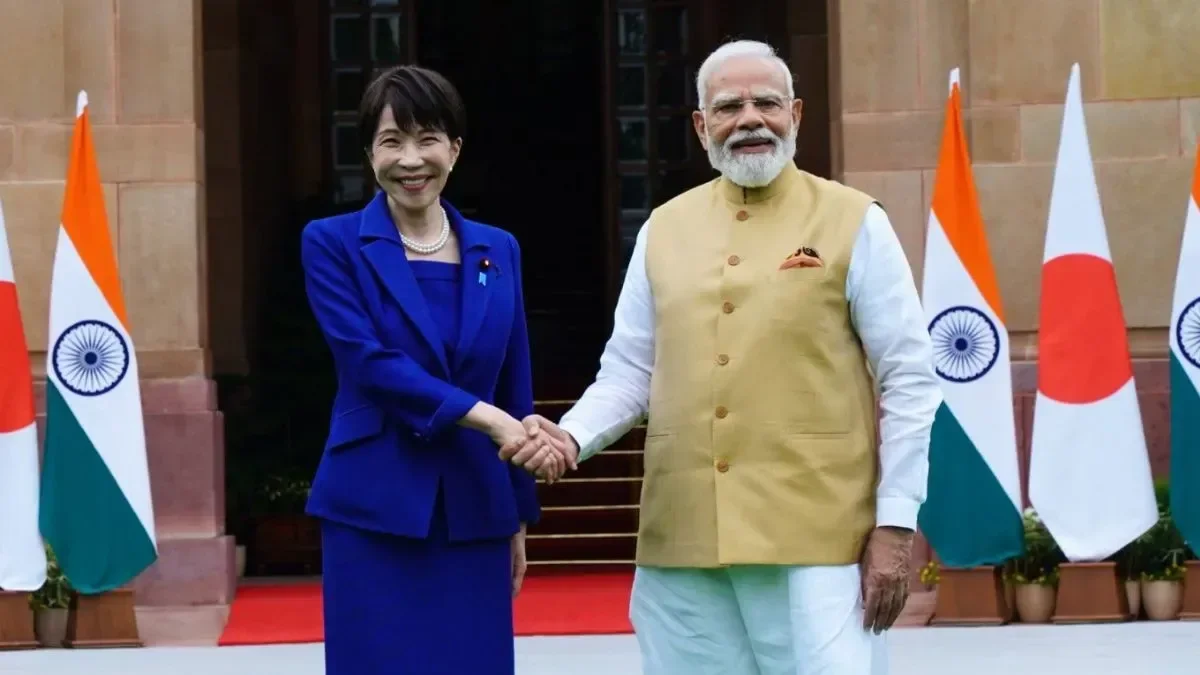
During the 16th India-Japan annual summit held in New Delhi, Prime Minister Narendra Modi publicly addressed Japanese Prime Minister Sanae Takaichi as his “little sister.” The label was not merely an isolated comment; it was a calibrated pivot in diplomatic discourse, explicitly grounded in a shared reverence for the late Japanese Prime Minister Shinzo Abe.

The public branding of the relationship as familial—specifically sibling-based—functions as a bridge between geopolitical strategy and personal legacy. By framing their interaction in these terms, both leaders move beyond standard statecraft into a register of inherited political affection.
| Dimension | Context |
|---|---|
| Public Narrative | Sibling bond (Elder Brother/Younger Sister) |
| Origin Point | Mutual respect for the late Shinzo Abe |
| Policy Scope | Trade, energy, emerging technology, defense |
The Mechanics of the Exchange
According to officials briefed on the discussions at Hyderabad House, the narrative originated from Takaichi herself. She articulated that because Abe held a profound regard for Modi, she has extended that sentiment to the Indian leader. This interpersonal layer is being used to frame a substantial policy agenda that includes:
Read More: Taiwan Holds Nantou County Drills to Prepare for State Collapse

Deepening cooperation in economic security and energy grids.
Aligning strategies on emerging technological frontiers.
Expanding formal People-to-People exchanges.
Strategic Utility
The utilization of this terminology during a joint press statement suggests a desire to project an image of immutable trust. In the landscape of international relations, where alliances are typically defined by cold utility and transactional security agreements, the performance of familial ties acts as a soft-power amplifier.
Takaichi, serving as the first female Prime Minister of Japan, noted that this arrangement was a pre-agreed understanding established during their previous encounter. By reinforcing this in the public eye, both states are attempting to stabilize their partnership against the shifting currents of regional power dynamics.
Background and Context
The current India-Japan Strategic Partnership continues to evolve from its historical roots into a more integrated security framework. Abe was central to the cultivation of these ties, and his influence remains a structural pillar of the relationship. Today, as Modi and Takaichi navigate their respective political terrains, this specific brand of personal-diplomatic messaging serves to guarantee continuity, bypassing the potential fragility of rotating administrative interests. The reliance on the late Abe as a common point of moral and political reference serves to solidify the legitimacy of their current summit outputs.
Read More: AFP Reviews War Crime Claims Against Australian in Gaza