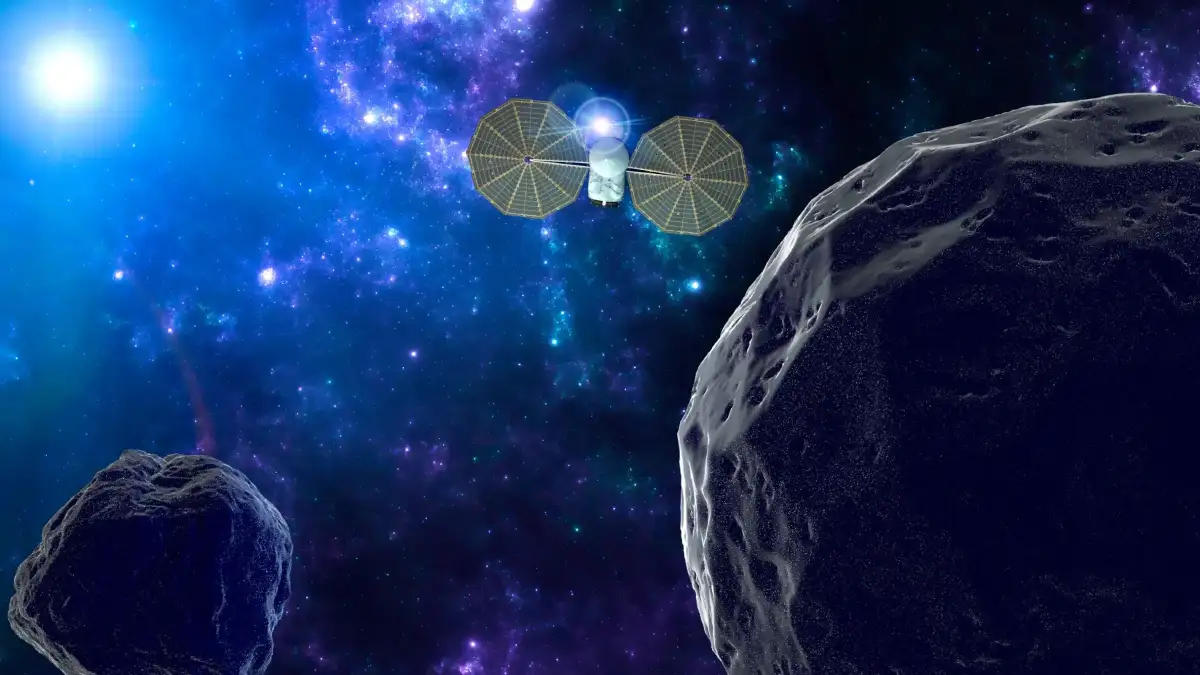
NASA has initiated an unprecedented recovery operation to rescue the Neil Gehrels Swift Observatory from atmospheric reentry. As of April 7, 2026, the mission involves a private sector robotic craft named LINK, contracted from the Arizona-based firm Katalyst Space Technologies, tasked with physically re-boosting the aging telescope to a stable altitude.
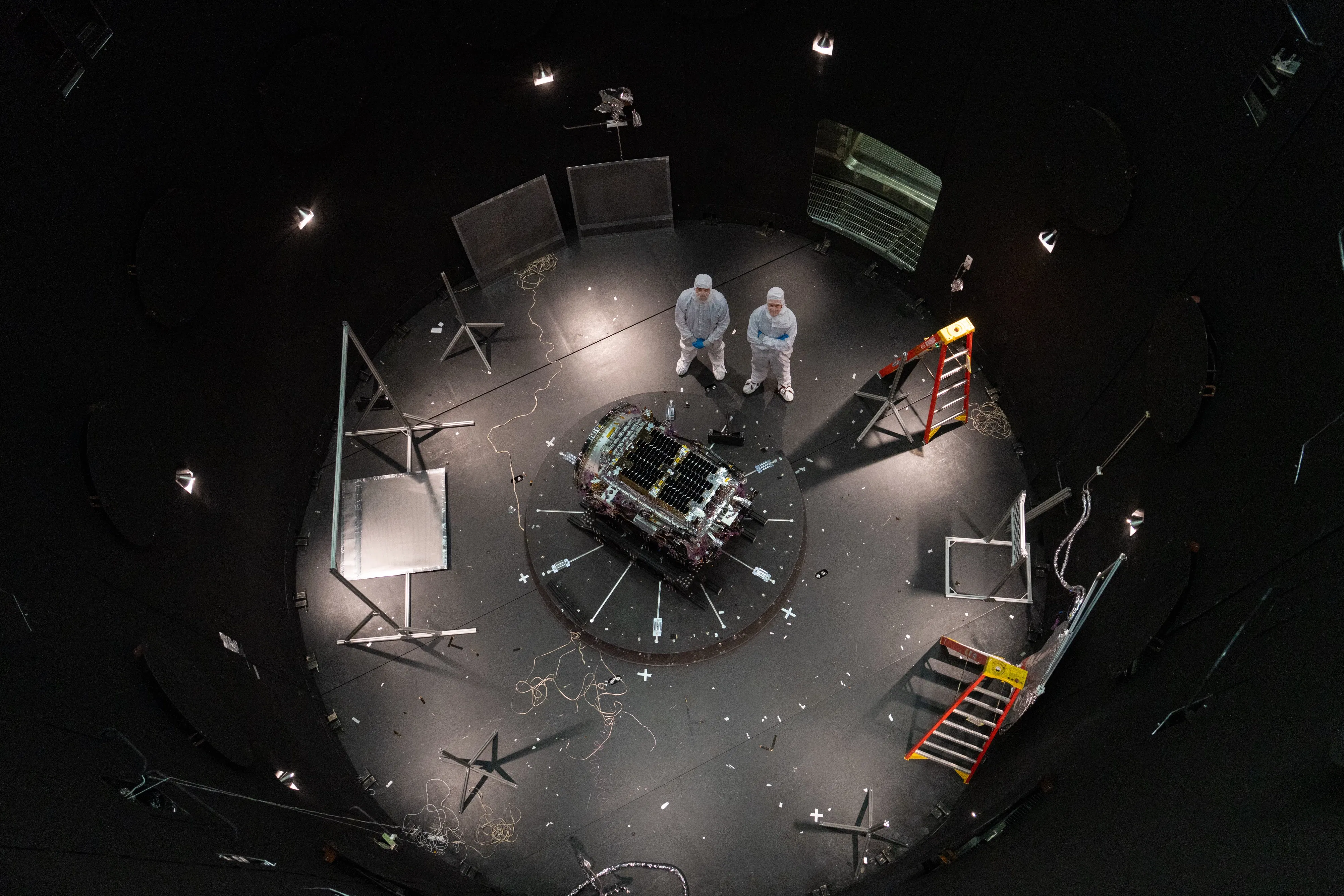
The Mechanical Retrieval Process
The operation relies on a complex sequence of maneuvers designed to mitigate the effects of atmospheric drag caused by heightened solar activity:

Launch Vehicle: A 55-foot Pegasus XL rocket, launched from an aircraft, carries the LINK robotic module into a trajectory matching the observatory.
Engagement: Upon rendezvous, LINK utilizes three specialized robotic arms to grasp designated metal panels on the frame of the Swift observatory.
Orbital Boost: Once secured, the refrigerator-sized robot employs its own ion propulsion thrusters to incrementally elevate the combined mass over a projected two-to-three-month period.
Disengagement: After achieving a safer altitude, the robotic tug will detach, effectively extending the mission life of the Scientific Instrumentation that has operated for over two decades.
| Technical Phase | Objective | Status |
|---|---|---|
| Orbital Rendezvous | Match velocity with Swift | Active |
| Mechanical Docking | Secure frame via robotic arms | Pending |
| Altitude Correction | Ion propulsion re-boost | Scheduled |
Atmospheric Dynamics and Long-Term Stability
The necessity for this mission stems from intense Solar Storms, which have significantly altered the density of the upper atmosphere. As the sun ejects flares, the resulting heat triggers atmospheric expansion, increasing drag on objects in low-Earth orbit. This deceleration forces satellites downward, leading to an inevitable atmospheric decay.

The decision to rescue Swift represents a pivot in how space agencies manage Legacy Assets. By transitioning from passive monitoring to active, private-sector mechanical intervention, NASA is testing a template that may be applied to other vulnerable assets, such as the Hubble Space Telescope.
Read More: US Space Force Victus Haze Mission Successfully Tests Orbital Intercepts

The Swift observatory has previously ceased all scientific operations to minimize internal load and slow its descent, an interim measure while awaiting the arrival of the Robotic Tugboat. If successful, this mission establishes a functional precedent for satellite salvage, potentially shifting the life cycle expectations for expensive orbital hardware.