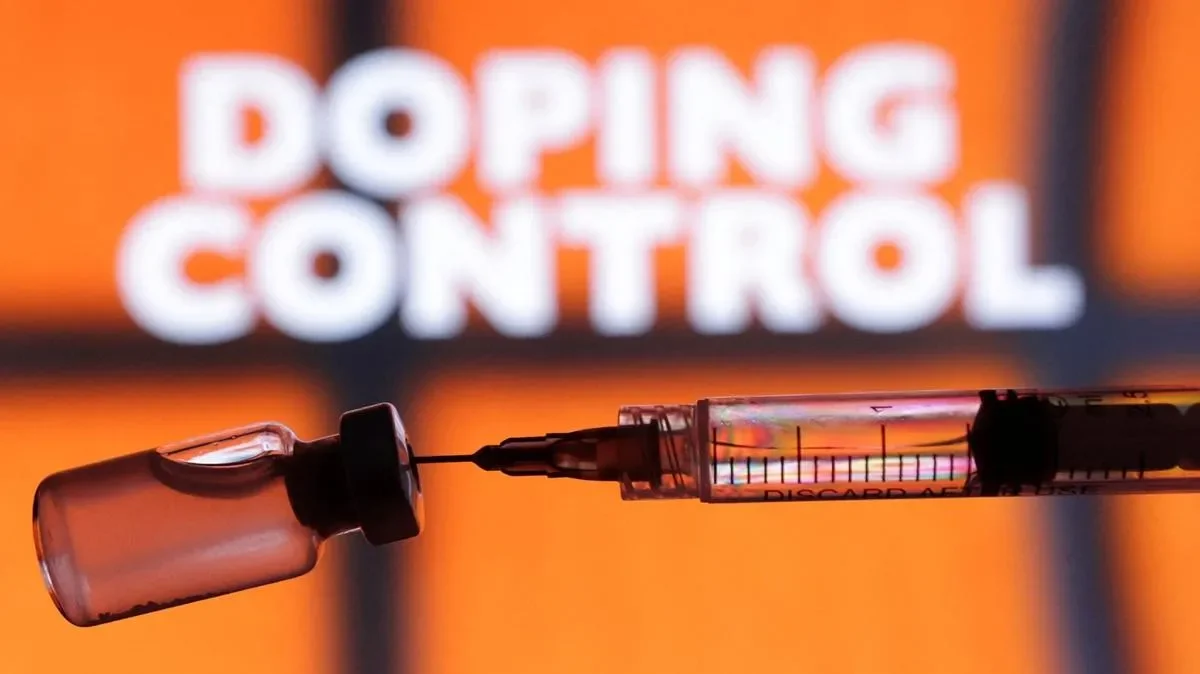
MONACO – The Athletics Integrity Unit (AIU) has designated India as a "Category A" nation, the highest risk bracket for doping in international athletics. This move signifies a dramatic escalation in scrutiny for Indian athletes and their national federation.
The AIU's decision stems from India's consistent and alarming rise in doping violations, leading to its reclassification from Category B (medium risk) to Category A (extremely high risk). This new designation mandates stricter anti-doping requirements, including minimum testing thresholds for national team athletes.

Escalating Violations Prompt Reclassification
India's placement in the highest risk bracket is a direct consequence of its performance on global doping charts.
In 2022, India recorded 48 Anti-Doping Rule Violations (ADRVs), ranking second globally.
This number climbed to 63 ADRVs in 2023, again placing India second.
By 2024, India had surged to the top, recording 71 ADRVs.
Currently, with 30 ADRVs recorded for 2025, India leads the list, though a significant time lag in reporting final figures suggests this number could be substantially higher.
AIU Chair David Howman stated, "The doping situation in India has been high-risk for a long time and, unfortunately, the quality of the domestic anti-doping programme is simply not proportionate to the doping risk." This sentiment underscores the gap between the prevalence of doping and the perceived effectiveness of India's internal anti-doping efforts.
Read More: Middle Distance Runner Deeksha Tests Positive for Banned Substance
Broader Implications and Context
The reclassification occurs at a sensitive moment for India's international sporting ambitions. The country is currently bidding to host the 2036 Olympics. This development follows a recent visit by World Anti-Doping Agency (WADA) leaders to India, where they openly challenged the nation to address its poor doping record.
The Athletics Federation of India (AFI) spokesperson, Adille Sumariwalla, acknowledged the situation, stating the federation is collaborating with the AIU, the sports ministry, and India's National Anti-Doping Agency to tackle the issue.

India now finds itself in the company of nations like Russia, Belarus, Ethiopia, Kenya, Nigeria, and Ukraine, all currently designated as Category A by the AIU. The AIU board will review India's category every three years, taking into account its doping history and the efficacy of its national anti-doping program. However, the AIU retains the prerogative to alter a federation's category at any point within this timeframe.
Read More: India IVF Costs And Social Barriers Limit Access In April 2026
Recent doping cases have highlighted the ongoing challenge, including the two-year ban handed to Asian Games gold medallist archer Prathamesh Jawkar. Notably, despite the doping concerns, some officials suggest this classification may not hinder India's pursuit of hosting major global sporting events.