


Will the much-touted Free Trade Agreement (FTA) between India and the European Union truly empower our auto component makers, or is it a cleverly disguised gateway for European behemoths to dominate our market? The ink is barely dry, but the whispers of opportunity and apprehension are already growing louder. While proponents herald it as a game-changer for Indian exports and a boost to our "Make in India" ambitions, a closer, more critical look reveals a complex tapestry of potential gains and significant risks that demand our urgent attention.
For decades, the Indian automotive industry has been a dynamic force, evolving from a protected domestic market to a burgeoning global player. We've seen ambitious government policies, shifts in consumer preferences, and the relentless march of technology, particularly in the electric vehicle (EV) space. Yet, our auto component sector, the backbone of this industry, has often struggled to break free from the shadow of larger, established international players. Now, with the India-EU FTA, a new chapter is being written. The deal promises unprecedented market access, tariff reductions, and a potential surge in exports. But is this an equal playing field, or a strategic opening for European carmakers to flood our market with premium vehicles while our component makers navigate a minefield of compliance and competition?
Read More: FIFA World Cup 2026 Revenue Reaches $15 Billion With New Ticket Prices
The Numbers Game: Tariffs, Access, and the Great Divide
The core of the India-EU FTA, at least for the automotive sector, revolves around tariff concessions. On the surface, it looks like a win-win. The EU is set to grant India zero-tariff access on a staggering 97% of its tariff lines, covering 99.5% of India's export value to the bloc. This is a significant opening. However, the flip side is equally important: India will eliminate or reduce tariffs on 92% of its tariff lines.

| Feature | EU Concession | India's Concession ||—-|—-|—-|| Tariff Lines for India | 97% with zero tariff | N/A || India's Export Value Covered | 99.5% | N/A || Tariffs India Will Eliminate/Reduce | N/A | 92% of its tariff lines || Specific Auto Tariff Reduction | For EU-manufactured vehicles, duties will drop from 110% to 10% for a fixed annual quota (vehicles > €15,000 import price) | N/A |
This stark contrast, particularly the sharp reduction in tariffs on imported European vehicles, raises immediate questions. Will this truly benefit Indian consumers with more choices, or will it stifle the growth of our own mass-market car manufacturers who are already battling rising input costs? The promise of "improved price competitiveness" for Indian auto components is alluring, but what does this really mean when pitted against established European supply chains that may already possess significant economies of scale and advanced technological integration?
Read More: Australia-US Trade Dispute: New Tariffs Cause Friction
The Shadow of Premium Imports and Unanswered Questions
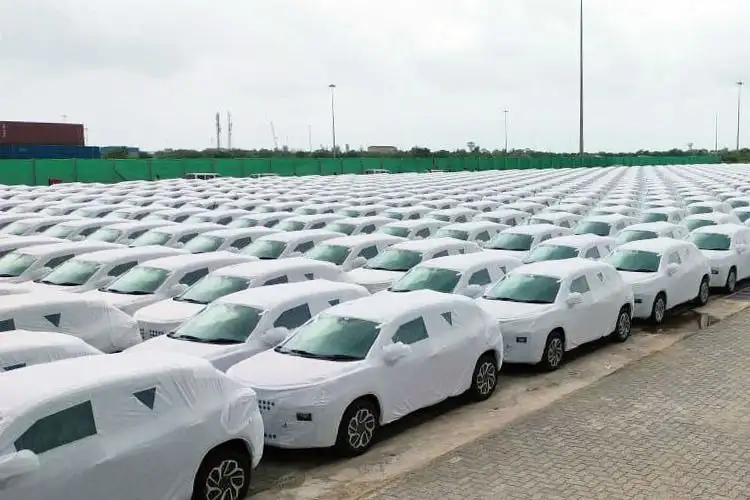
One of the most striking outcomes of this FTA is the dramatic reduction in import duties for European cars. Specifically, duties on EU-manufactured vehicles will plummet from a prohibitive 110% to a mere 10% for vehicles with an import price exceeding €15,000. This is a substantial concession. While reports suggest this will be within a "fixed annual quota," the exact volume of this quota, its phasing, and its long-term implications remain opaque.

Will this flood the Indian market with premium European brands, potentially impacting domestic sales and manufacturing?
How will this affect the nascent but rapidly growing Indian EV market, which is still heavily reliant on subsidies and government support?
Will the lower cost of imported technology and machinery truly translate to a significant competitive edge for Indian component manufacturers, or will it merely facilitate easier entry for foreign brands?
Industry bodies like ACMA (Automotive Component Manufacturers Association) express optimism, suggesting the FTA could enhance export competitiveness and attract long-term investments. Prasanth Doreswamy, president and CEO of Continental India, notes the potential for Indian suppliers to integrate better into European value chains. But is this a two-way street, or are we opening ourselves up to a more significant influx of European expertise and products than we are prepared for?
Read More: Hunter Region Gets $12 Billion Train Factory
A Strategic Pivot? Or a Desperate Diversification?
It's crucial to remember the backdrop against which this deal is being struck. Indian auto parts makers have been facing "growing uncertainty in the US—their single-largest overseas market—amid tariff-related pressures." This context cannot be ignored. Is the India-EU FTA a proactive strategy to diversify our export markets, or a reactive move born out of necessity?
The deal aims to boost shipments of electric vehicles and auto parts, foster joint ventures, and encourage technology partnerships. This sounds promising, but past experiences with similar trade agreements offer a cautionary tale. For instance, how effectively will the "zero-tariff access" translate into tangible market share for Indian companies when faced with established global players?
What specific mechanisms are in place to ensure Indian companies can actually capitalize on this market access, beyond simply having the door opened?
Will technology transfers be reciprocal, or will they primarily benefit European companies looking to leverage India's manufacturing base?
How will the FTA address non-tariff barriers, such as stringent EU safety and environmental regulations, which often prove more challenging for smaller manufacturers to overcome than tariffs?
The stated goal of integrating into "global supply chains" is ambitious. However, we must ask if our current manufacturing capabilities, particularly in specialized or high-end components, are sufficiently advanced to compete on equal footing. The reliance on imports for technology and machinery, while potentially lowering costs, also raises concerns about technological dependence.
Read More: Iran Strait Traffic May Take 2 Months to Return to Normal
The EV Conundrum: Opportunity or Overwhelm?
The automotive world is in the throes of an electric revolution. India has ambitious EV targets, and the FTA's impact on this burgeoning sector is a critical point of analysis. The reports suggest the deal could give a "boost to premium vehicle imports" and potentially "open India's car market to European OEMs."
Will the influx of European EVs, potentially at lower import duties, undermine the growth of indigenous Indian EV manufacturers?
Are European component suppliers poised to dominate the EV supply chain in India, capitalizing on their established expertise and scale, thereby limiting opportunities for local players?
What specific provisions exist within the FTA to foster the growth of India's domestic EV component ecosystem and prevent it from being outcompeted before it truly takes off?
The Icra report hints at "limited disruption to the mass market" but a boost to "premium imports." This selective impact suggests a potential for market segmentation where European brands solidify their hold on the high-end, while domestic players are left to contend with an increasingly competitive mass market, possibly at the mercy of global supply chains for critical EV components.
Looking Ahead: Promises, Perils, and the Path Forward
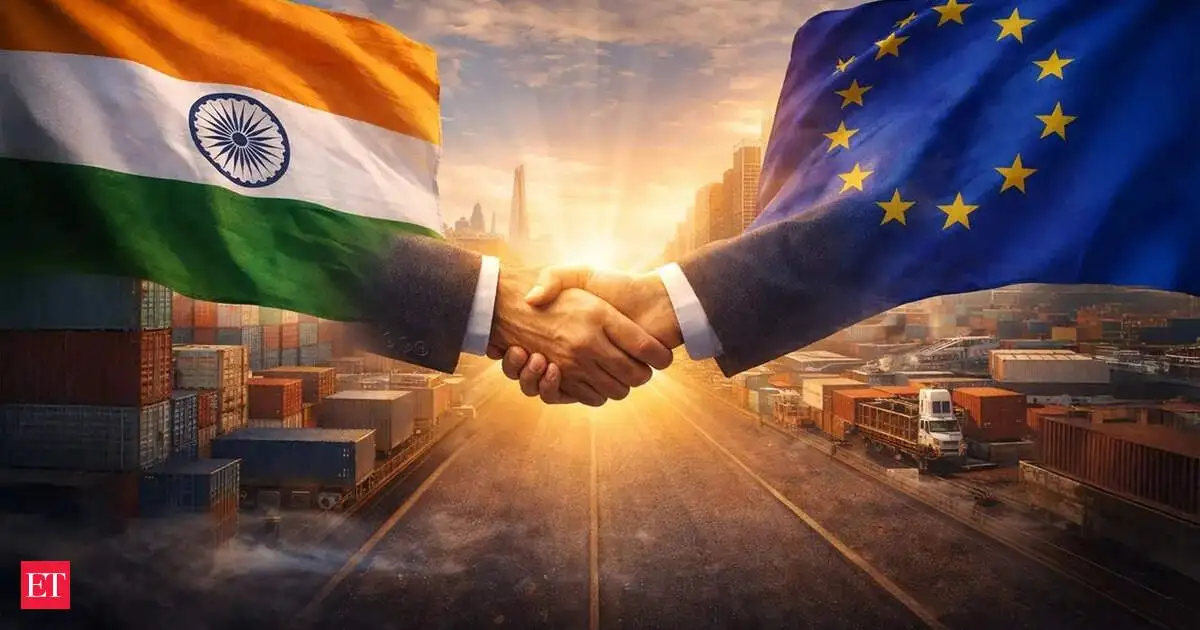
The India-EU FTA presents a complex scenario for India's auto component sector. The prospect of enhanced market access and improved price competitiveness is undeniable. The EU's zero-tariff offer on 97% of India's tariff lines is a significant opening. However, the simultaneous reduction of tariffs on European vehicles, particularly premium ones, poses a substantial challenge.
Read More: Rocket Companies brand update in April 2026 changes logos and names
The real test will lie in the implementation and the specific clauses that govern technology transfer, regulatory alignment, and the development of a truly symbiotic trade relationship. We need transparency on the quotas for reduced-tariff vehicle imports, and robust mechanisms to ensure reciprocal benefits in technology and investment.
What is the timeline for the complete implementation of these tariff reductions, and what is the mechanism for reviewing the effectiveness and fairness of the agreement over time?
Will the government actively support Indian component manufacturers in meeting EU standards and scaling up production to capitalize on these opportunities, or will they be left to navigate this new landscape alone?
The automotive industry is a vital engine for economic growth, employment, and technological advancement. As this FTA unfolds, we must remain vigilant, asking the tough questions and demanding clarity. Only then can we ensure that this agreement becomes a genuine launchpad for India's automotive future, rather than a gilded cage that limits our potential.
Sources
ABPLive: https://news.abplive.com/business/india-eu-fta-seen-enhancing-market-access-for-auto-component-makers-1825813
Mathrubhumi: https://english.mathrubhumi.com/auto/india-eu-fta-auto-components-k30z5nw3
AP7AM: https://www.ap7am.com/en/119848/india-eu-fta-to-improve-access-price-competitiveness-for-indian-auto-component-makers
Economic Times: https://economictimes.indiatimes.com/news/economy/foreign-trade/eu-trade-deal-may-give-a-big-push-to-tech-transfers-exports-more/articleshow/127492955.cms
NewKerala: https://www.newkerala.com/news/a/india-eu-fta-improve-access-price-competitiveness-indian-auto-114.htm
Devdiscourse: https://www.devdiscourse.com/article/business/3796026-india-eu-auto-trade-pact-a-catalyst-for-competitive-growth
Autoguideindia: https://www.autoguideindia.com/industry-speaks/india-eu-fta-auto-industry-impact/
CNBC TV18: https://www.cnbctv18.com/economy/india-eu-fta-auto-auto-components-msmes-manufacturing-winners-19834179.htm
The Week: https://www.theweek.in/wire-updates/business/2026/02/06/india-eu-fta-to-provide-better-access-to-european-markets-for-indian-auto-component-firms-icra.html


