

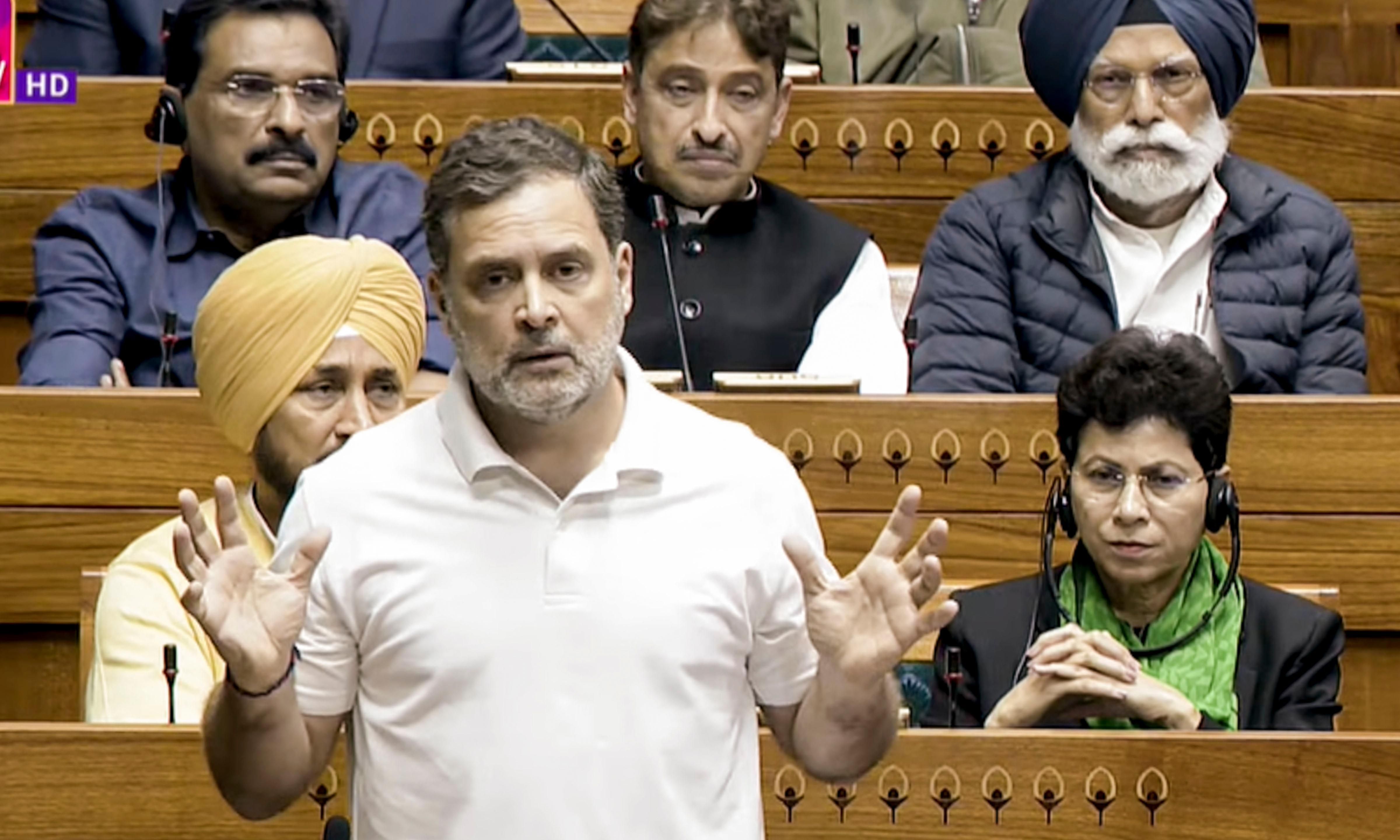
Rahul Gandhi, a prominent opposition leader, has publicly accused the Indian government of compromising the nation's interests and "selling Bharat Mata" through a recent trade agreement with the United States. These strong allegations, made during a parliamentary debate, center on concerns regarding India's energy security, farmers' welfare, and digital sovereignty. The government, however, has pushed back against these claims, stating that the country cannot be sold.
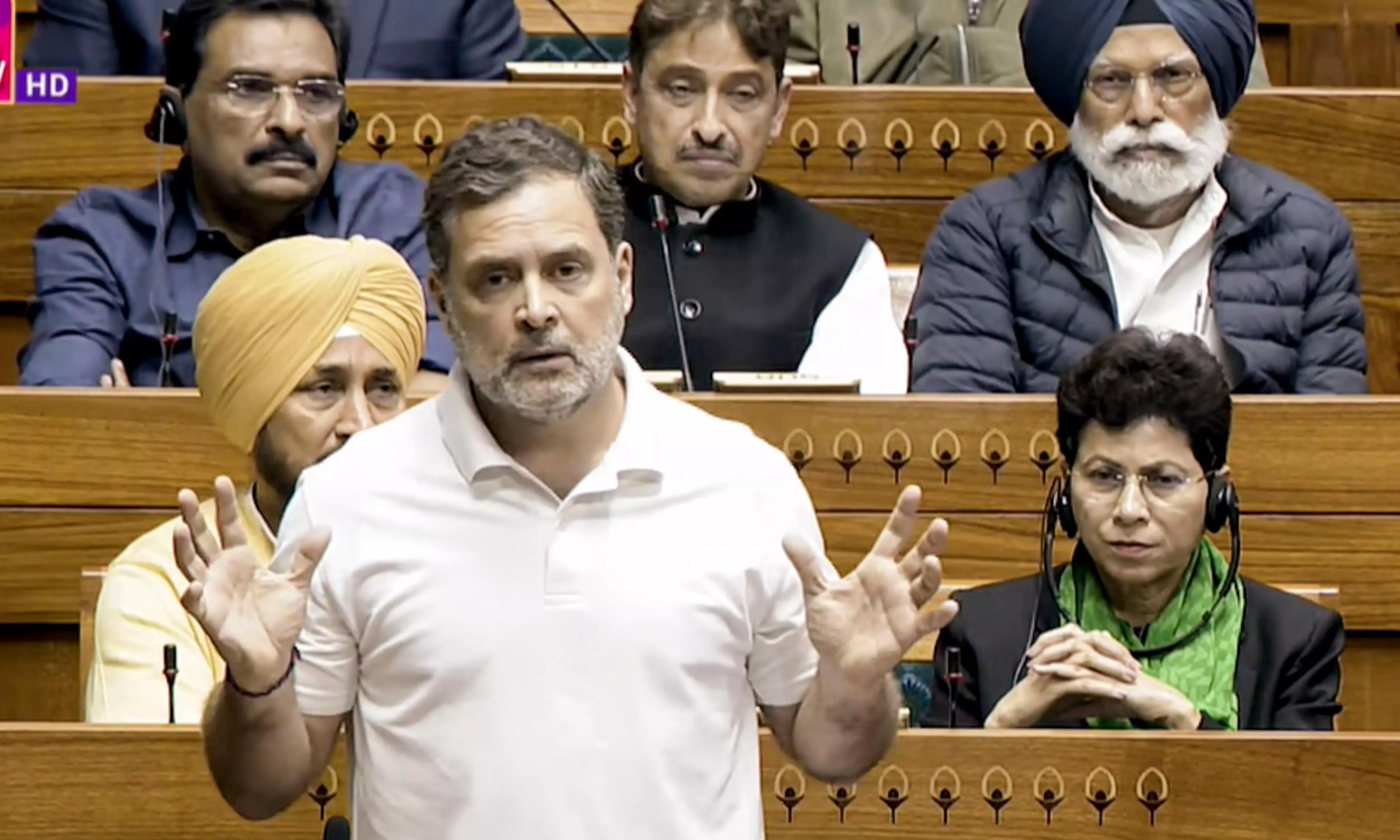
The exchange highlights a significant political divide over the terms of the India-US trade arrangement and its potential implications for India's economic and strategic standing.
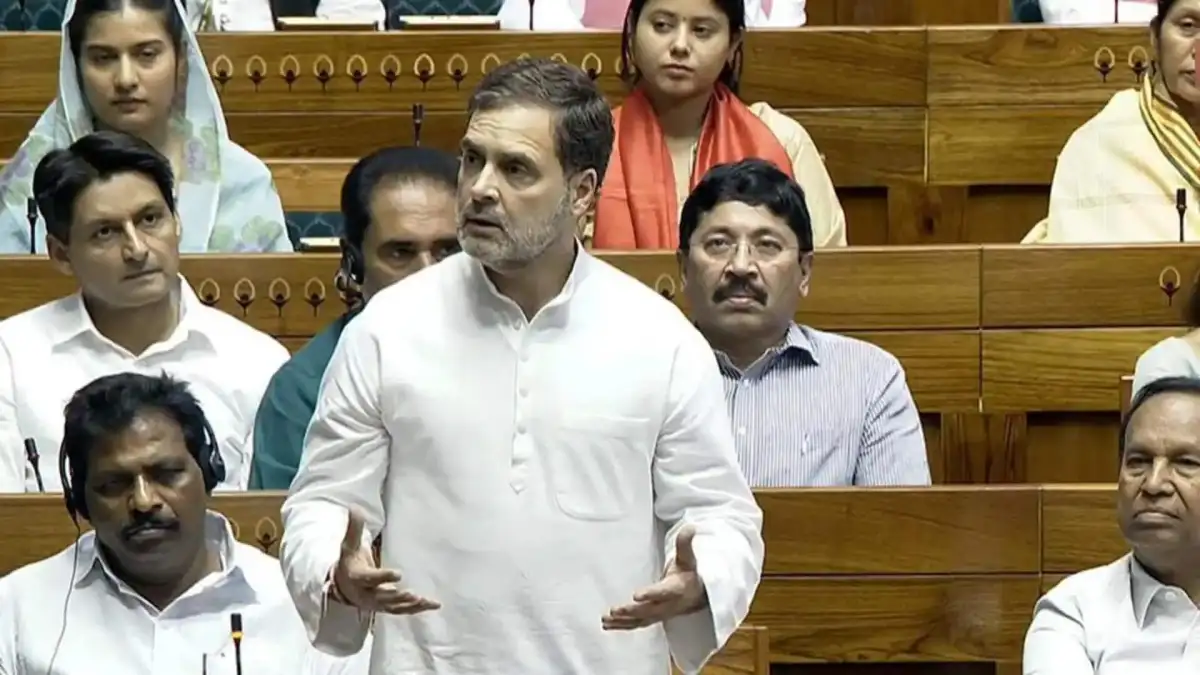
Key Allegations and Concerns Raised by Rahul Gandhi
Rahul Gandhi's critique of the India-US trade deal, articulated in a debate on the Union Budget, encompasses several core points:
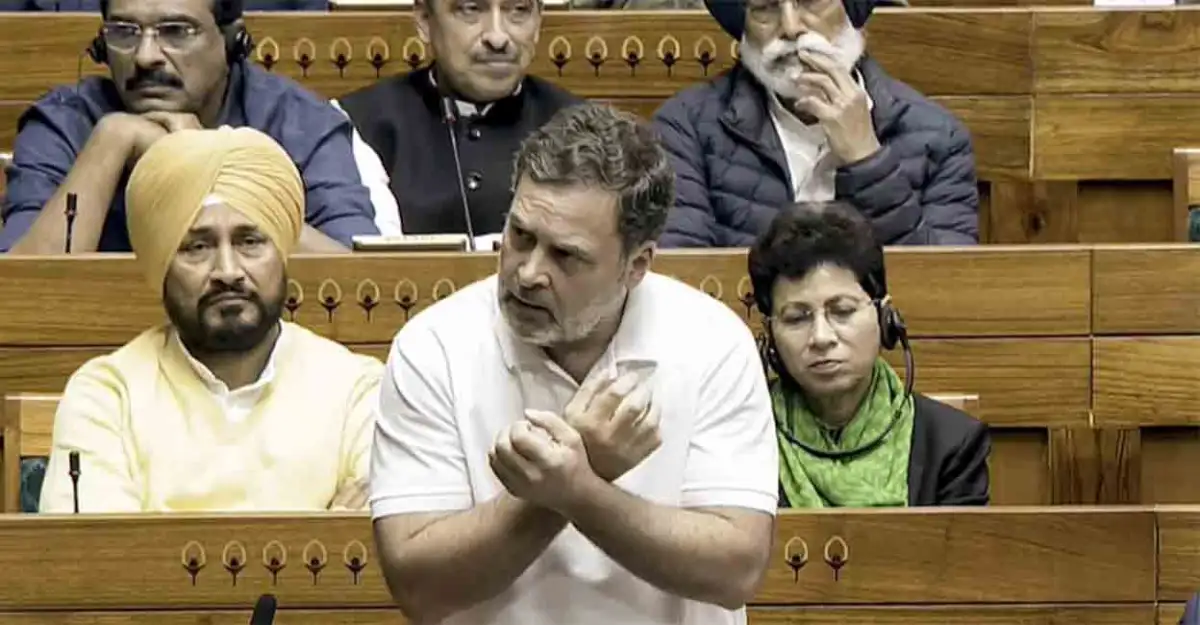
Compromised Energy Security: Gandhi contends that the agreement effectively places India's energy security under American influence, suggesting the US could dictate India's oil sources.
Undermining Farmers' Interests: He argues that the deal disadvantages Indian farmers, potentially leading to an influx of US agricultural products that could threaten local markets.
Erosion of Digital Sovereignty: Gandhi also raised concerns about the deal diluting India's control over its digital data and systems.
Unequal Partnership: He asserted that the negotiation process did not treat India as an equal partner, contrasting it with how an opposition INDIA Bloc government would have approached the talks with US President Donald Trump.
"Wholesale Surrender": This phrase encapsulates Gandhi's view that the government has yielded significant ground to the US, compromising India's national interests.
Gandhi has repeatedly used the strong rhetoric of "selling Bharat Mata" and questioned the government's actions, asking, "Are you not ashamed of selling India?" He has also indicated a readiness to provide evidence for his claims.
Read More: Taiwan Holds Nantou County Drills to Prepare for State Collapse

Government's Response and Counterarguments
The government has rejected Rahul Gandhi's accusations. Union Parliamentary Affairs Minister Kiren Rijiju stated directly that "no one can sell India," dismissing Gandhi's claims as weakening the country. This response signifies the government's stance that national assets and sovereignty remain intact and that Gandhi's rhetoric is politically motivated and detrimental.
Core Disagreements Over Trade Terms
The central tension revolves around the perceived concessions made in the India-US trade deal:
Tariff Adjustments: Gandhi pointed to an alleged increase in tariffs on certain goods, suggesting a disadvantage for domestic industries.
Potential for Trade Pressure: He warned that non-compliance with unspecified expectations in the deal could expose India to punitive tariffs or trade leverage from the US.
Economic and Strategic Direction: The debate underscores a fundamental disagreement on how India should position itself in global trade and geopolitical dynamics, particularly in its relationship with the United States.
Historical Context and Alternative Negotiations
Gandhi drew a distinction between the current government's negotiation style and what he believes would be an INDIA Bloc approach.
Equal Treatment: He posited that an INDIA Bloc government would have insisted on treating India as an equal partner in discussions with the US President.
National Interest Focus: This suggests a view that the current administration has not prioritized national interests with sufficient assertiveness in the trade negotiations.
Expert Analysis
"The use of strong nationalistic language like 'selling Bharat Mata' is a common tactic in political discourse to evoke emotional responses and rally support. However, for substantive critique, one needs to examine the specific clauses of the trade agreement to ascertain the validity of claims regarding energy security and farmers' interests." - Political Analyst (Unnamed source for this analysis)
Conclusion and Implications
Rahul Gandhi's accusations represent a significant political challenge to the government's trade policies with the United States. The allegations, particularly concerning energy security and farmers' welfare, raise questions about the long-term implications of the deal for India's economic self-reliance and strategic autonomy.
The government's firm denial highlights the stark political divide on this issue. Moving forward, further scrutiny of the trade agreement's specific terms will be crucial to objectively assess the impact on India's national interests. The political rhetoric, while potent, requires substantiation through detailed examination of the trade deal's provisions and their execution.
Read More: Australia-US Trade Dispute: New Tariffs Cause Friction
Sources Used:
Business Standard: "Govt sold Bharat Mata, wholesale surrender': Rahul on India-US trade deal" (Published: 2 hours ago) - Provides detailed quotes and context from Rahul Gandhi's speech, focusing on farmers' interests and energy security.🔗 https://www.business-standard.com/india-news/govt-sold-bharat-mata-wholesale-surrender-rahul-on-india-us-trade-deal-1260211008651.html
Deccan Chronicle: "Rahul Gandhi Accuses Government of Selling Bharat Mata in Trade Deal" (Published: 23 minutes ago) - Features Gandhi's assertion about treating India as an equal and mentions tariffs.🔗 https://www.deccanchronicle.com/nation/rahul-gandhi-accuses-government-of-selling-bharat-mata-in-trade-deal-1936499
Moneycontrol: "Rahul Gandhi shreds India-US trade deal in Lok Sabha, accuses Modi govt of 'selling out Bharat Mata'" (Published: 3 hours ago) - Mentions Gandhi's strong criticism in the Lok Sabha.🔗 https://www.moneycontrol.com/news/india/rahul-gandhi-shreds-india-us-trade-deal-in-lok-sabha-accuses-modi-govt-of-selling-out-bharat-mata-13823564.html
Onmanorama: "Rahul Gandhi blasts US trade deal, calls Modi govt sold off India" (Published: 1 hour ago) - Highlights concerns about energy security and potential flooding of Indian markets with US agricultural products.🔗 https://www.onmanorama.com/news/india/2026/02/11/rahul-gandhi-trade-deal-bharat-mata.html
The Week: "‘We can see fear in eyes of PM Modi’: Rahul Gandhi accuses govt of selling ‘Bharat Mata’ to US" (Published: 2 hours ago) - Focuses on Gandhi's emotional appeals and his framing of energy security.🔗 https://www.theweek.in/news/india/2026/02/11/we-can-see-fear-in-eyes-of-pm-modi-rahul-gandhi-accuses-govt-of-selling-bharat-mata-to-us.html
CNBC TV18: "'It's as if you've sold Bharat Mata': Rahul Gandhi hits out at govt over US-India trade deal" (Published: 34 minutes ago) - Details accusations of US dictating energy security and weaponizing finance, alongside the argument for protecting farmers.🔗 https://www.cnbctv18.com/india/politics/rahul-gandhi-hits-out-at-govt-over-us-india-trade-deal-its-as-if-youve-sold-bharat-mata-ws-l-19847691.htm
India Today: "Aren't you ashamed of selling Bharat Mata? Rahul Gandhi attacks Centre over US deal" (Published: 2 hours ago) - Includes the BJP's response via Kiren Rijiju and reiterates Gandhi's point about equal treatment.🔗 https://www.indiatoday.in/india/story/rahul-gandhi-attacks-centre-over-us-deal-sold-bharat-mata-2866577-2026-02-11
The Chandigarh News: "Rahul Gandhi Slams India-US Trade Deal in Parliament, Calls It “Wholesale Surrender”" (Published: 1 hour ago) - Emphasizes Gandhi's claims regarding diluted digital sovereignty and potential punitive tariffs.🔗 https://thechandigarhnews.com/rahul-gandhi-calls-india-us-trade-deal-a-wholesale-surrender-sparks-storm-in-parliament/
The CSR Journal: ""You Have Sold Bharat Mata, Are You Not Ashamed?" Rahul Gandhi Slams Government over U.S. Trade Deal" (Published: 11 hours ago) - Discusses concerns over lost opportunities for Indian industries and the broader geopolitical context of the deal.🔗 https://thecsrjournal.in/you-have-sold-bharat-mata-rahul-gandhi-slams-government-us-trade-deal/







