New Delhi, India - A seismic shift is reportedly underway in the economic relationship between India and the United States. Union Commerce Minister Piyush Goyal has heralded a new "framework for an Interim Agreement" with the US, claiming it will unlock a staggering $30 trillion market for Indian exporters. While official pronouncements paint a picture of unprecedented opportunity and job creation, a critical eye is needed to discern the tangible benefits from the potent rhetoric. Are we witnessing a genuine leap forward in bilateral trade, or a carefully crafted narrative designed to inspire confidence amidst complex global economic currents?
The Promise: What Exactly Has Been Agreed Upon?
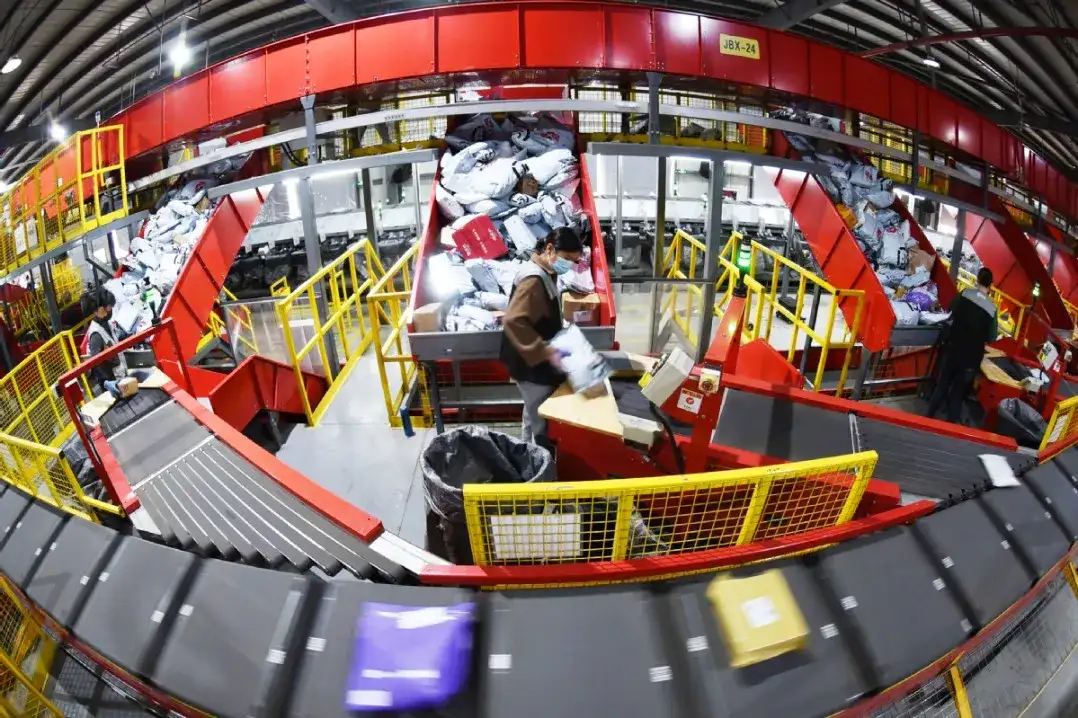
The announcement, met with enthusiasm from various government officials, centres on an "Interim Agreement" that aims to expand upon the existing Bilateral Trade Agreement (BTA) negotiations. According to Piyush Goyal, the US will slash reciprocal tariffs on Indian goods to 18%, a significant reduction from potentially higher previous rates. This, he suggests, will open floodgates for Indian products in sectors such as textiles and apparel, leather and footwear, plastics, organic chemicals, home decor, artisanal products, and select machinery.
Read More: Goldman Sachs predicts 15 million US jobs lost to AI by 2036
The key takeaways from the government's perspective are:
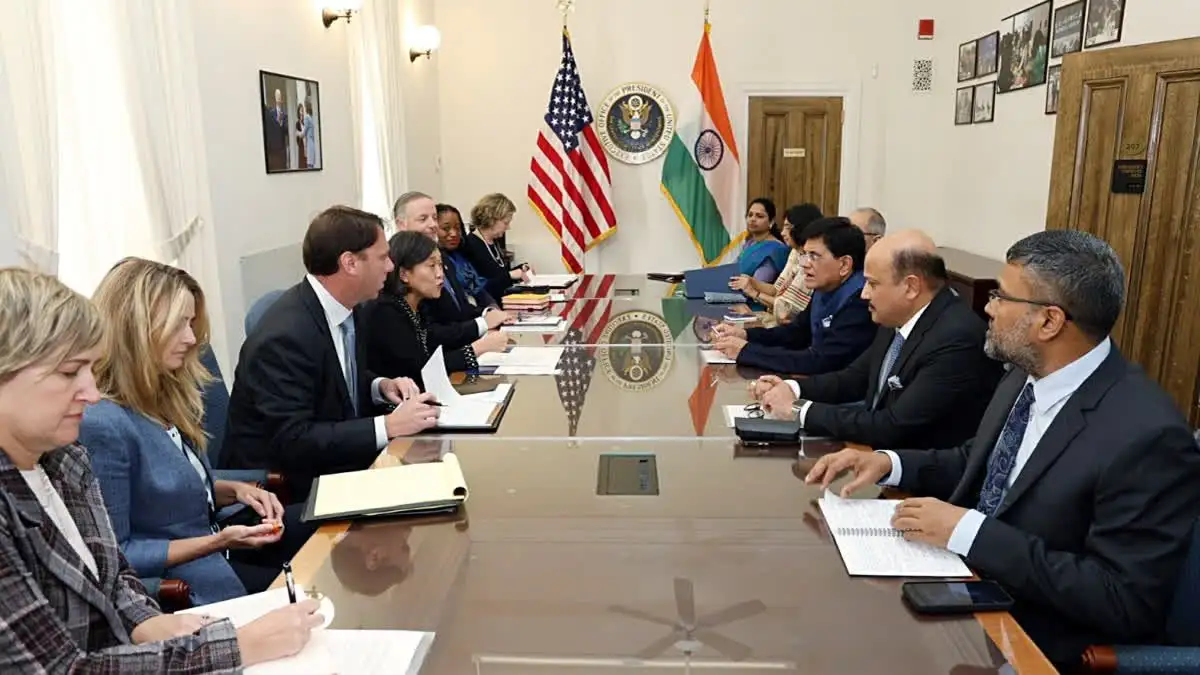
Market Access Expansion: A projected $30 trillion market for Indian exporters, with a focus on labour-intensive sectors.
Tariff Reductions: The US to reduce tariffs on Indian goods to 18%, with potential for zero tariffs on select items like generic pharmaceuticals, gems, diamonds, and aircraft parts.
Specific Gains for India:
Exemptions on certain aircraft parts.
A tariff rate quota (TRQ) on auto parts.
Negotiated outcomes for generic pharmaceuticals.
Protection for Indian Sectors: Crucially, sensitive agricultural and dairy products like maize, wheat, rice, soya, poultry, milk, cheese, ethanol, tobacco, certain vegetables, and meat are stated to be safeguarded.
Job Creation: The deal is projected to create "lakhs of new job opportunities," particularly for women and youth, and will benefit MSMEs, farmers, and fishermen.
"Make in India" Boost: The framework is expected to strengthen the "Make in India" initiative.
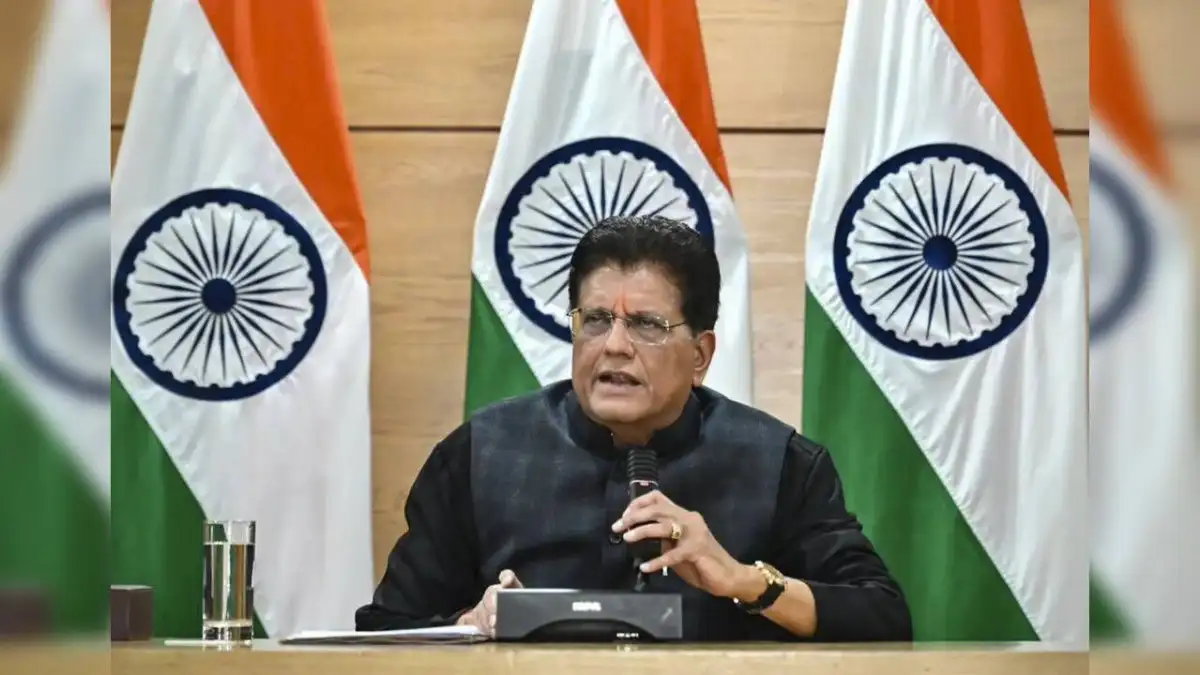
"Under the decisive leadership of PM @NarendraModi ji, India has reached a framework for an Interim Agreement with the US." - Piyush Goyal, Union Minister
"The India-US trade pact will open a USD 30 trillion market for Indian exporters, particularly benefiting micro, small, and medium enterprises (MSMEs), farmers, and the fishermen." - Piyush Goyal
However, amidst these optimistic pronouncements, pressing questions linger about the specifics and the true scope of this "interim" arrangement.
Past Tensions: A History of Trade Friction
This "interim agreement" does not emerge from a vacuum. The India-US trade relationship has, in recent years, been marked by periods of significant friction.
2018-2019 Tariffs: The US, under the Trump administration, had imposed tariffs on steel and aluminum imports from India. In retaliation, India had levied higher import duties on several American products, including agricultural goods like apples and chickpeas, and industrial items. This tit-for-tat tariff escalation created significant hurdles for businesses on both sides.
WTO Disputes: Both nations have engaged in disputes at the World Trade Organization (WTO) concerning various trade practices.
GSP Withdrawal: A major point of contention was the US's withdrawal of Generalized System of Preferences (GSP) benefits for India in 2019. This status had allowed duty-free entry for certain Indian products into the US market, and its removal was a significant blow to Indian exporters.
"America First" Policy: The broader "America First" trade policy of the previous US administration often led to a more protectionist stance, making comprehensive trade deals challenging.
While this new agreement aims to move past these tensions, the memory of these past skirmishes necessitates a careful examination of the current deal's sustainability and fairness.
Deconstructing the "$30 Trillion Market" Claim
The figure of "$30 trillion" for the market opportunity has been consistently cited by Minister Goyal. But what does this number truly represent?
Total Market Size vs. Potential Exports: Is this the total size of the US economy, or a projected increase in Indian exports? Experts suggest that such a figure likely refers to the overall US market size for various goods, not necessarily the immediate or guaranteed increase in India's export basket.
"Reciprocal" Tariffs: While the US is stated to slash tariffs on Indian goods to 18%, the agreement also implies India will eliminate or reduce tariffs on US industrial and agricultural products. The exact magnitude of these Indian tariff reductions and their impact on domestic industries need to be thoroughly analyzed.
Non-Tariff Barriers: The joint statement mentions addressing "non-tariff barriers." However, the specifics of which barriers will be addressed and how effectively remain somewhat vague. Non-tariff barriers, such as complex regulations, standards, and licensing procedures, can often be more significant impediments to trade than tariffs.
| Feature | Claimed Benefit for India | Critical Question |
|---|---|---|
| Market Size | Opens $30 trillion market | Is this the total US economy or projected export increase? What's the realistic share? |
| US Tariffs Reduction | To 18% on Indian goods | What were the previous average tariffs, and what's the actual reduction in % points? |
| Specific Sectors | Textiles, apparel, leather, machinery, etc. | What are the quantifiable market access gains for each of these sectors? |
| Tariff Rate Quota (TRQ) | On auto parts | What is the volume limit of this TRQ, and how does it compare to current trade? |
| Zero Tariffs | Pharmaceuticals, gems, diamonds, aircraft parts | Which specific aircraft parts, and are there volume or value caps? |
| Non-Tariff Barriers | To be addressed | Which barriers, and what are the mechanisms for resolution? |
The "$30 trillion market" figure, while attention-grabbing, requires careful deconstruction to understand its realistic implications for Indian exporters.
Safeguards and Sensitive Sectors: A Delicate Balance?
A significant point of emphasis in the official statements is the protection of India's sensitive farm and dairy products. This includes safeguards for:
Maize
Wheat
Rice
Soya
Poultry
Milk
Cheese
Ethanol (fuel)
Tobacco
Certain vegetables
Meat
While these assurances are crucial for India's agricultural sector and food security, the devil often lies in the details.
Read More: Australia-US Trade Dispute: New Tariffs Cause Friction
Defining "Safeguards": What constitutes a "safeguard" in this context? Are these outright exclusions, or are there specific quotas or conditions attached?
Future Negotiations: This is an interim agreement. What assurances do we have that these sensitive sectors will remain protected in future, more comprehensive negotiations for a full Bilateral Trade Agreement (BTA)?
US Agricultural Interests: The US is a major agricultural powerhouse. How robust are these protections against potential future pressures from powerful US agricultural lobbies?
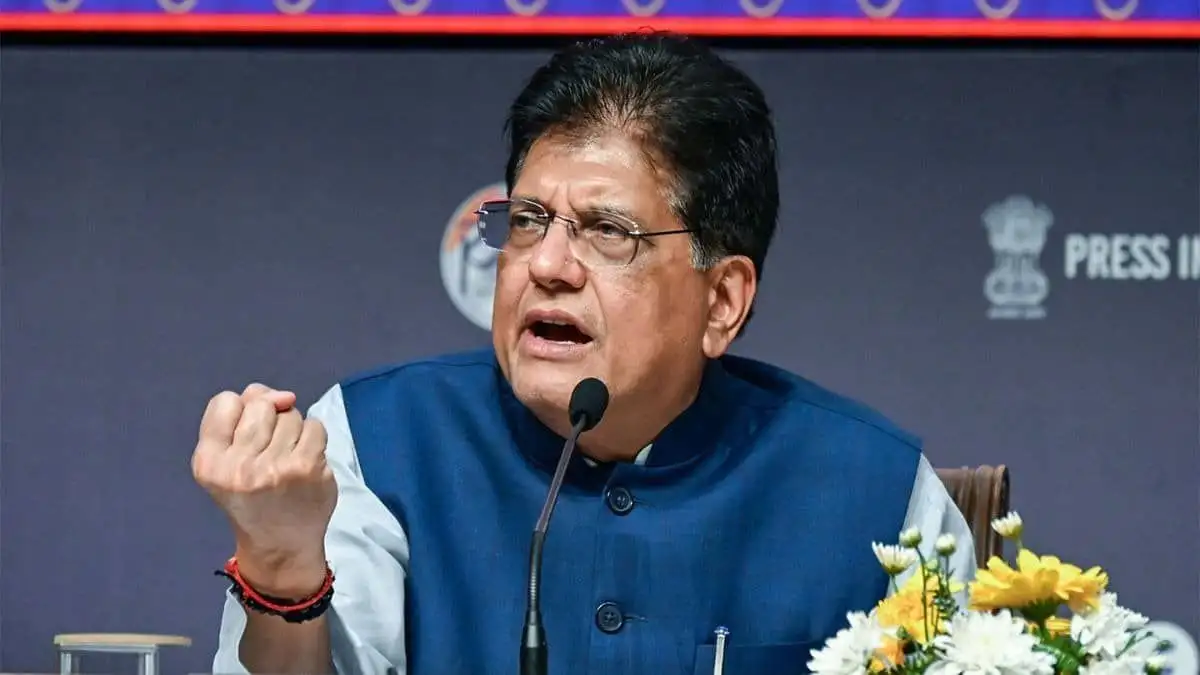
The statement that India has "secured safeguards for sensitive farm and dairy products, keeping protections intact" is a strong claim. But how intact, and for how long?
The protection of India's sensitive agricultural and dairy sectors is a stated win, but the durability and exact mechanisms of these safeguards need rigorous scrutiny.
The "Interim" Nature: A Stepping Stone or a Stalemate?
The fact that this is an "Interim Agreement" framework is paramount. This means that while some immediate concessions might be made, the broader, more complex issues are likely deferred to future negotiations for a full Bilateral Trade Agreement (BTA).
What is being deferred? Which trade irritations and market access issues remain on the table for the full BTA?
Timeline for Full BTA: When can we expect the full BTA to be finalized? Interim agreements can sometimes linger for years, leaving businesses in a state of perpetual uncertainty.
Reciprocal Benefits: While the US gains market access in India, and India gains access in the US, are the benefits truly reciprocal and balanced? The "rules of origin" are mentioned as ensuring benefits accrue predominantly to the US and India, but the practical implementation will be key.
Defence Cooperation: The White House statement also mentions deepening India-US defence cooperation over the next decade. How does this factor into the trade negotiations, and are there any implicit linkages or dependencies?
The excitement surrounding the "interim" framework must be tempered by the understanding that it is a preamble, not the final act. The real test will be in the comprehensive BTA that follows.

Unanswered Questions and Probing Inquiries
As a critical observer, several questions demand clear answers to fully assess the impact and significance of this India-US trade framework:
Quantifiable Export Gains: Beyond the broad "$30 trillion" figure, can specific, quantifiable increases in Indian exports be projected for the key sectors mentioned (textiles, leather, auto parts, pharmaceuticals)?
Impact on Indian MSMEs: While MSMEs are mentioned as beneficiaries, what concrete measures are in place to ensure they can actually leverage this new market access, considering their often limited resources and capacity?
"Reciprocal Tariffs" Clarity: What were the specific pre-agreement tariffs on Indian goods that are now being reduced to 18%? And what are the precise tariff reductions India is offering on US industrial and agricultural goods?
Non-Tariff Barrier Specifics: What are the top 3-5 non-tariff barriers that India has prioritized, and what are the agreed-upon timelines and mechanisms for their resolution?
Agricultural Safeguards Details: What are the precise quantitative limits (quotas) or qualitative restrictions that constitute the "safeguards" for Indian agricultural products?
Dispute Resolution Mechanisms: What dispute resolution mechanisms are in place within this interim framework to address future trade disagreements?
Impact on Domestic Industries: How will India's commitment to reducing tariffs on US industrial goods impact domestic manufacturing sectors that might be competing with these imports?
Timeline for Full BTA: Is there a projected timeline or a roadmap for concluding the comprehensive Bilateral Trade Agreement (BTA)?
GSP Status: Does this interim agreement address the reinstatement of India's GSP status, or is that a separate negotiation point for the full BTA?
Transparency in Negotiation: How transparent was the negotiation process, and what opportunities were provided for input from industry stakeholders beyond government officials?
The success of this interim agreement will ultimately be measured not by the fanfare of its announcement, but by the tangible, verifiable benefits it brings to Indian businesses, farmers, and workers, and its ability to pave the way for a truly equitable and robust long-term trade relationship.
Conclusion: A Promising Start, But Vigilance is Key
The "framework for an Interim Agreement" between India and the US undeniably represents a significant diplomatic and economic development. The pronouncements of a vast market opening, tariff reductions, and protected sectors paint an optimistic picture. The involvement of key ministers and the participation of high-level leadership underscore the importance attached to this initiative.
Read More: New ways to measure AI's impact on jobs and economy
However, as a free-thinking journalist, it is imperative to approach such announcements with a healthy dose of skepticism and a demand for granular detail. The "$30 trillion market" is a compelling headline, but its translation into actual, sustained export growth for Indian businesses, particularly the vulnerable MSMEs and farmers, is the true measure of success. The assurances regarding protected sectors must be robust and verifiable.
This interim framework appears to be a crucial step, a necessary thawing of past trade hostilities. It has set the stage for further negotiations. The coming months and years will reveal whether this framework is a solid foundation for a deeper, mutually beneficial economic partnership, or a temporary pause before renewed trade turbulence. The Indian public, its businesses, and its policymakers must remain vigilant, ensuring that the spirit of equitable trade and national interest guides the final destination of these ambitious negotiations.
Read More: Iran Strait Traffic May Take 2 Months to Return to Normal
Sources:
Economic Times: India-US trade deal to open $30 trillion market for Indian exporters: Piyush Goyal🔗 https://economictimes.indiatimes.com/news/economy/agriculture/india-us-trade-deal-to-open-30-trillion-market-for-indian-exporters-piyush-goyal/articleshow/128014917.cms
CNBC TV18: India–US interim trade pact: Modi hails Make in India boost, Goyal cites major export opportunity🔗 https://www.cnbctv18.com/market/india-us-interim-trade-pact-deal-pm-modi-make-piyush-goyal-export-ws-l-19844650.htm
ET Now News: India-US Trade Deal Impact: 'Lakhs of new jobs' - Rs $30 trillion opportunity for Indian exporters - Commerce Minister Piyush Goyal decodes historic pact🔗 https://www.etnownews.com/economy/india-us-trade-deal-impact-lakhs-of-new-jobs-rs-30-trillion-opportunity-for-indian-exporters-commerce-minister-piyush-goyal-decodes-historic-pact-article-153574924
Firstpost: India, US reach interim trade framework, tariff cuts open $30-tn market for Indian exporters: Piyush Goyal🔗 https://www.firstpost.com/world/india-us-reach-interim-trade-framework-tariff-cuts-open-30-tn-market-for-indian-exporters-piyush-goyal-13977162.html
Livemint: India-US trade deal to big give boost to Indian exporters: How Jaishankar, Kiren Rijiju, Piyush Goyal, others reacted🔗 https://www.livemint.com/news/india/indiaus-trade-deal-to-big-give-boost-to-indian-exporters-how-jaishankar-kiren-rijiju-piyush-goyal-others-reacted-11770439407967.html
News18: '$30 Trillion Market For Indian Exporters': Piyush Goyal Hails India-US Interim Trade Framework🔗 https://www.news18.com/india/30-trillion-market-for-indian-exporters-piyush-goyal-hails-india-us-interim-trade-framework-9885682.html
ETV Bharat: 'Pact Opens $30 Trillion Market For Indian Exporters': Goyal On India-US Interim Trade Deal Framework🔗 https://www.etvbharat.com/en/bharat/piyush-goyal-on-india-us-interim-tade-deal-framework-enn26020700502
Timesnownews.com: 'Will be Written in Golden Letters': Piyush Goyal on India-US Trade Deal - Key Highlights🔗 https://www.timesnownews.com/business-economy/economy/piyush-goyal-on-india-us-trade-deal-joint-statement-key-highlights-article-153575916
Republic World: 'Will Open USD 30 Trillion Market for Indian Exporters': Piyush Goyal Lauds India-US Interim Trade Agreement🔗 https://www.republicworld.com/world-news/will-open-usd-30-trillion-market-for-indian-exporters-piyush-goyal-lauds-india-us-interim-trade-agreement