)
A pilot program in Gujarat, India, is testing a new method for distributing food rations using a digital coupon system. This system, powered by the nation's Central Bank Digital Currency (CBDC), aims to make the distribution of food entitlements more efficient and transparent. Beneficiaries in the pilot program can receive their food rations through programmable digital currency, or e₹, instead of the traditional physical grain.
Pilot Program Overview
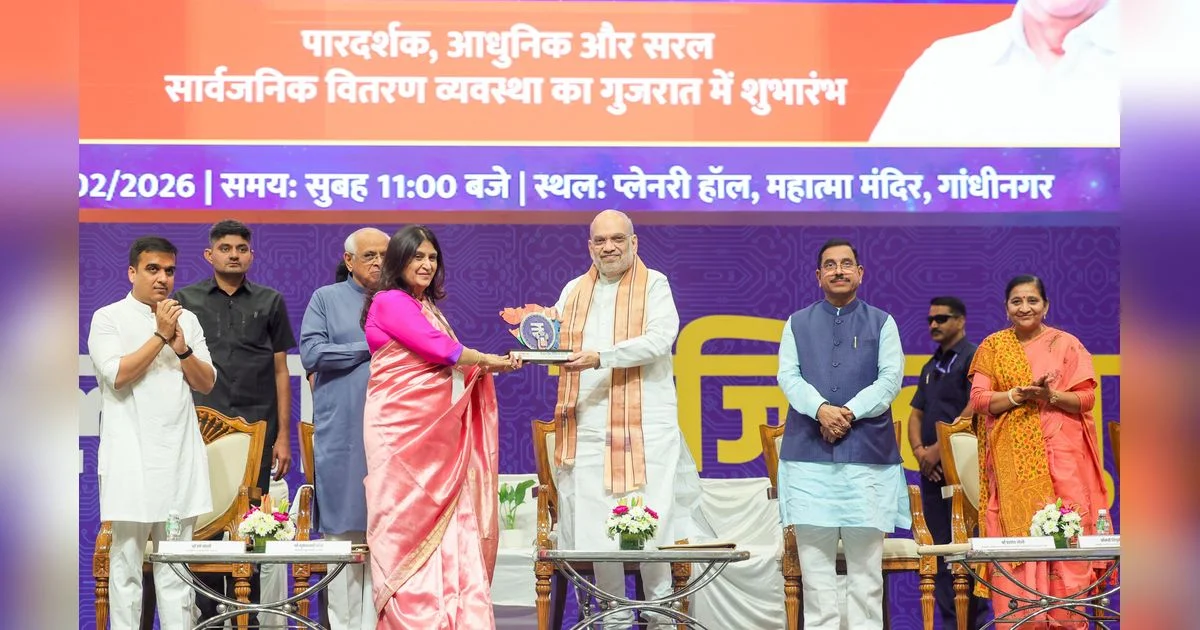
The Indian government has initiated a pilot program in Gujarat that utilizes a Central Bank Digital Currency (CBDC) for its public distribution system (PDS). This initiative involves the creation of digital food coupons that are directly credited to beneficiaries as programmable digital currency, known as e₹. This aims to streamline the process of accessing entitled foodgrains.

Launch Location: Gujarat, India.
Technology: Central Bank Digital Currency (CBDC) based digital coupons.
Purpose: To improve the distribution of food rations under the Public Distribution System (PDS).
Mechanism: Digital coupons are converted into programmable digital currency (e₹) and credited to beneficiaries.
Redemption: Beneficiaries can use these digital coupons or voucher codes at ration shops to obtain their entitled foodgrains.
Actors and Key Events
The launch of this pilot program involved prominent government figures and highlighted specific objectives.
Read More: AI Startups Change Consulting Business Data and Strategy in 2024

Key Figures:
Home Minister Amit Shah launched the pilot.
Food Minister Pralhad Joshi (also Minister for Consumer Affairs, Food and Public Distribution) spoke at the launch event.
Key Statements and Objectives:
The system aims to address issues related to biometric authentication and e-POS operational problems.
It is intended to ensure secure, traceable, and real-time transactions.
The initiative is seen as an extension of the Digital India vision into the PDS.
It is expected to bring transparency, efficiency, and beneficiary empowerment to India's food security system.
The program aims to ensure subsidies are used solely for foodgrains and may include a timeframe for usage to prevent accumulation.
Evidence of Implementation
Reports indicate that the pilot program is underway and has seen initial transactions.
Successful Transactions: A state government official reported that approximately 2,000 transactions have been completed successfully within the pilot.
Programmable Nature: The digital coupons are described as programmable digital currency (e₹), suggesting that their use can be controlled or directed.
Direct Credit: Digital coupons are credited directly to beneficiaries.
Potential for Wider Adoption: There is encouragement for other states and union territories to adopt CBDC in their PDS implementation.
Addressing Beneficiary Access
Considerations are being made for beneficiaries who may not have access to modern technology.
Feature Phone Users: Officials are exploring options for beneficiaries who use basic or feature phones and cannot utilize e-wallets.
Digital ID System: The success of such a system is seen as reliant on a robust digital ID system. One report noted that with a digital ID in place, "everyone [now has some sort of] digital ID."
Technological Advancements and Objectives
The introduction of CBDC into the PDS represents a step towards modernizing India's vast food distribution network.
Transparency and Leakage: The primary goal is to enhance transparency and plug leakages in the PDS, which is described as the world’s largest food distribution system, serving over 80 crore beneficiaries.
Efficiency: The system aims to provide a more efficient method for beneficiaries to receive their entitled rations.
Traceability: The use of digital currency offers the potential for greater traceability of transactions.
Global Recognition: One perspective noted that India is seen as leading the world in tokenization and digital IDs.
Potential Challenges and Adaptations
While the pilot aims to solve existing problems, adaptations may be necessary.
Digital Divide: The need to accommodate users without smartphones or advanced digital literacy is being addressed.
Cultural Acceptance: The article mentions that digital ID systems might be challenging to translate to other countries due to different social perceptions and cultural norms.
Accumulation of Coupons: A timeframe for using the digital coupons is being considered to prevent beneficiaries from hoarding them.
Expert and Official Insights
Government officials have articulated the benefits and vision behind this digital coupon initiative.
Prahlad Joshi: Stated that the introduction of CBDC in PDS marks a "significant milestone towards ensuring transparency, efficiency and beneficiary empowerment in India’s food security architecture." He also emphasized that the system will "address challenges related to biometric authentication and e-POS operational issues while ensuring secure, traceable and real-time transactions."
Amit Shah: Remarked that the CBDC pilot "represents an important extension of the Digital India vision into the Public Distribution System." He also added that CBDC would "further strengthen the Government’s vision of Minimum Government, Maximum Governance, ensuring beneficiaries receive their entitled food grains with greater transparency and awareness of rights."
Conclusion and Implications
The CBDC-based digital food coupon pilot in Gujarat is an ambitious project aimed at modernizing India's Public Distribution System. By leveraging programmable digital currency, the government seeks to improve transparency, efficiency, and accountability in the distribution of food rations. The program addresses long-standing issues such as biometric authentication failures and operational glitches at point-of-sale devices.
Key Findings:
The pilot utilizes programmable digital currency (e₹) for food ration distribution.
It aims to enhance transparency and reduce leakages.
Challenges with biometric authentication and e-POS issues are being targeted.
Considerations are being made for beneficiaries with basic phones.
Implications: If successful, this pilot could serve as a model for nationwide adoption, fundamentally changing how food subsidies are managed and delivered. It also highlights India's continued investment in digital transformation across public services.
Next Steps: Continued monitoring of the pilot program's performance, including transaction success rates and beneficiary feedback, will be crucial. Further development of solutions for beneficiaries without advanced digital access is also a key consideration. The government's encouragement for other states to adopt this system suggests a potential expansion in the future.
Sources Used
zeenews.india.com: "Govt launches CBDC-based Digital Food Coupon: How can Beneficiaries redeem entitled quantity of foodgrains? Explained"
Published: 24 minutes ago
Summary provides a clear overview of the CBDC-based digital food coupon launch and redemption process.
business-standard.com: "Centre launches digital coupons for PDS in Gujarat on pilot basis"
Published: 11 hours ago
Summary details the pilot launch in Gujarat, mentioning key figures and the aim to redeem entitlements via programmable e₹.
tribuneindia.com: "Centre launches RBI-enabled digital food coupons for public distribution system in Gujarat"
Published: 1 day ago
Summary elaborates on the CBDC framework and programmable currency, including statements from Home Minister Amit Shah and Food Minister Pralhad Joshi.
thewinepress.substack.com: "India Introduces Monthly CBDC-Based 'Digital Food Coupons' Directly Deposited Into Digital ID Wallets Under Rationing Scheme"
Published: Feb 3, 2026
Link: https://thewinepress.substack.com/p/india-introduces-monthly-cbdc-based
Summary touches upon digital ID systems and the potential for tokenization, referencing a quote about India leading in this area.
timesofindia.indiatimes.com: "Centre to test RBI-enabled digital food coupons for free rations | India News"
Published: Jan 29, 2026
Summary discusses plans for beneficiaries with basic phones, the aim to ensure subsidies are for foodgrains only, and mentions successful transactions.
fintechbiznews.com: "CBDC-based Digital Food Coupon Pilot Launched: Har Dana, Har Rupiya, Har Adhikar"
Published: Feb 9, 2026
Summary reiterates the evolution of PDS through technology, statements from ministers on transparency and governance, and encouragement for wider adoption.