)
India is enacting changes to how it tests vehicle emissions, moving from controlled laboratory settings to actual driving conditions. This shift aims to provide a more accurate picture of a car's performance and pollution output for everyday use, aligning with global standards and promoting cleaner air. The new system, part of the BS6 Phase 2 updates, will apply to specific categories of vehicles and may influence how fuel efficiency and emission figures are presented to consumers.
Understanding the Shift in Emission Testing
The Indian government is implementing a significant update to its BS6 emission standards. Previously, emissions were tested in a controlled laboratory environment. The new BS6 Phase 2 rules, however, mandate Real Driving Emissions (RDE) testing.
This means vehicles will now be tested for their pollution output under actual driving conditions on public roads, across different terrains and speeds.
This change aims to make emission and fuel efficiency figures more realistic for everyday driving.
The move is also intended to align India's vehicle emission testing with international norms.
These updates are designed to contribute to cleaner air, potentially reducing smog and respiratory illnesses.
What is Covered by the New Rules?
The updated testing method will specifically cover vehicles in M1 and M2 categories.
Read More: Plan to Build Big Ice Wall to Save Doomsday Glacier
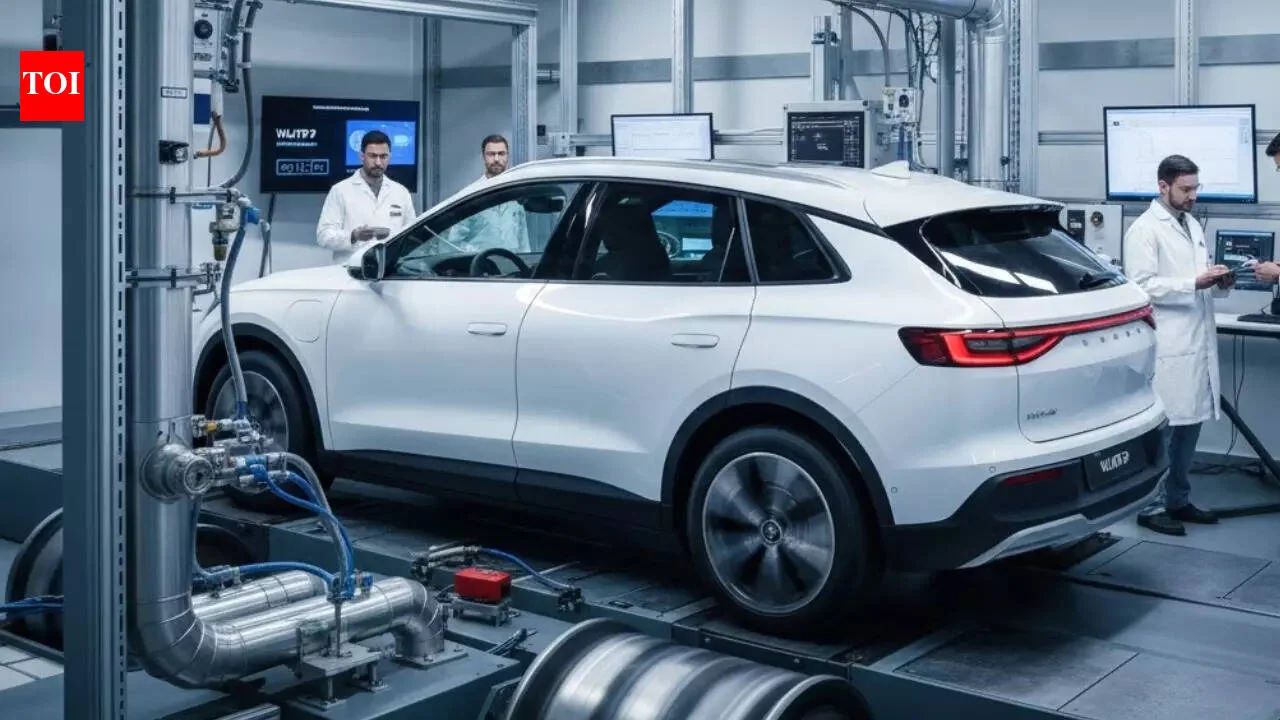
M1 category vehicles include passenger cars, hatchbacks, sedans, SUVs, and MPVs that have up to eight seats in addition to the driver's seat.
M2 category vehicles are passenger carriers like vans and minibuses that have more than eight passenger seats and a gross vehicle weight of up to five tonnes.
Impact on Car Buyers and Perception
While the core emission limits under BS6 are not becoming stricter, the new testing methodology is expected to alter how car mileage and pollution levels are communicated.
Experts suggest that while the BS6 emission limits themselves are not tightening, the way they are measured will change.
This could lead to a more transparent understanding of a vehicle's real-world performance for buyers.
The introduction of BS6 norms has already influenced how buyers compare older (BS4) and newer (BS6) vehicles, particularly concerning resale value and maintenance.
Technological Adaptations and Potential Cost
The transition to BS6 Phase 2 involves technological integration, such as the mandatory inclusion of On-Board Diagnostics (OBD2) systems.
Read More: Indian Shooter Aishwary Pratap Singh Tomar Wins Gold
OBD2 systems act as a self-diagnostic tool for vehicles, monitoring various emission control systems.
There is a slight indication that cars might become slightly pricier due to the integration of this new technology and the updated testing protocols.
All BS6.2 petrol cars are also designed to be compatible with E20 fuel, which is a blend of 20% ethanol.
Expert and Public Sentiment
The overall sentiment surrounding the BS6 Phase 2 update is a commitment to environmental improvement.
It is described as a "strong step towards a greener, cleaner India."
The aim is to achieve lower emissions and reduced air pollution, particularly in urban areas.
The changes are intended to ensure vehicles perform well while also minimizing environmental impact.
Key Changes Summarized
The core of the BS6 Phase 2 updates can be distilled into a few key differences from the previous phase:
Read More: Cartoonist Rohan Chakravarty Uses Funny Pictures to Teach About Nature
| Feature | BS6 Phase 1 (Before) | BS6 Phase 2 (Now) |
|---|---|---|
| Testing | Emissions tested in lab only | Emissions tested on road (RDE) |
| Diagnostics | Standard OBD | Stricter, more controlled OBD |
| Pollutants | Reduced pollutant thresholds | Sharply reduced pollutant thresholds (NOx, CO, PM) |
| Fuel Impact | BS6 fuel required | E20 fuel compatibility for petrol cars |
| Cost Impact | Standard BS6 cost | Slightly higher due to new technology |
| Goal | Cleaner vehicles | Cleaner vehicles and reduced air pollution |
Sources
Zee News: Reports on the update to BS6 emission standards, shifting testing to real-world conditions and its potential impact on buyers and the auto industry.🔗 https://zeenews.india.com/auto/bs6-emission-standards-update-what-it-means-for-car-buyers-and-mileage-will-prices-increase-3015582.html
The Times of India: Details the changes to BS6 emission testing, focusing on the RDE method for M1 and M2 category vehicles to improve realism in fuel efficiency and emission figures.🔗 https://timesofindia.indiatimes.com/auto/cars/bs6-emission-testing-standards-to-be-changed-what-it-means-for-you/articleshow/128152065.cms
Daily Kiran: Explains the key changes in BS6 Phase 2 emission rules, emphasizing the mandatory RDE testing on public roads and stricter emission limits for cleaner air.🔗 https://dailykiran.com/bs6-phase-2-emission-rules-from-2025-key-changes-every-vehicle-owner-in-india-should-know/
Carnama by Anurag: Outlines the effect of BS6 Phase 2 rules, noting the move from lab testing to RDE and the implementation of stricter OBD systems for reduced pollution.🔗 https://carnama.co.in/bs6-phase-2-rules-now-in-effect-what-it-means-for-car-owners/
Carguyayush: Provides a buyer's guide to BS6.2 and RDE, explaining the differences from BS6, the role of OBD2, and the cost factor for petrol cars.🔗 https://carguyayush.com/2025/09/03/bs6-2-and-rde-car-buyer-guide/
Shriram Finance: Discusses the impact of BS6 norms on pre-owned car prices, indicating changes in how buyers compare older and newer vehicles.🔗 https://www.shriramfinance.in/articles/used-car-loan/2026/impact-of-bs6-norms-on-pre-owned-car-prices
Automobil India: Covers understanding BS6 Phase 2 emission norms and their potential impact on car prices, though the content primarily lists locations rather than specific details on the impact.🔗 https://automobilindia.com/understanding-bs6-phase-2-emission-norms-and-impact-on-car-prices/
Flavor365: Explains BS-VI emission norms for car owners, posing questions about differences between BS4 and BS6 cars and fuel compatibility.🔗 https://flavor365.com/bs-vi-emission-norms-explained-for-car-owners-in-2025/
Read More: India Says US Trade Paper Changes Match What Was Agreed