)
Key Changes Impacting Everyday Costs and Business Operations
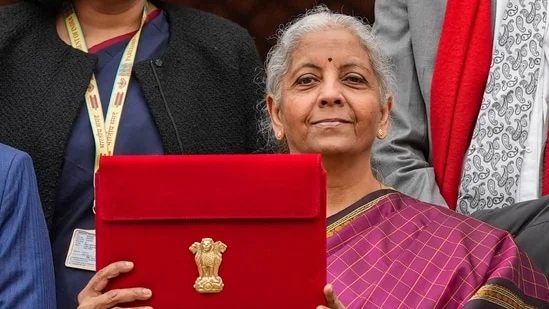
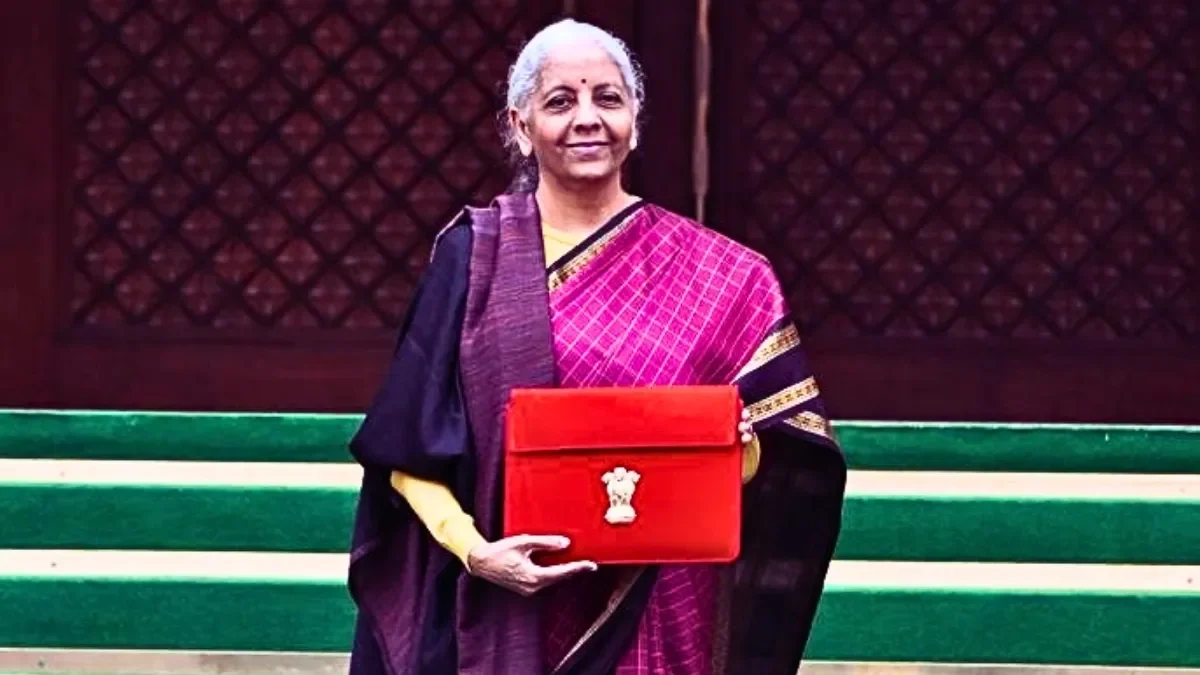
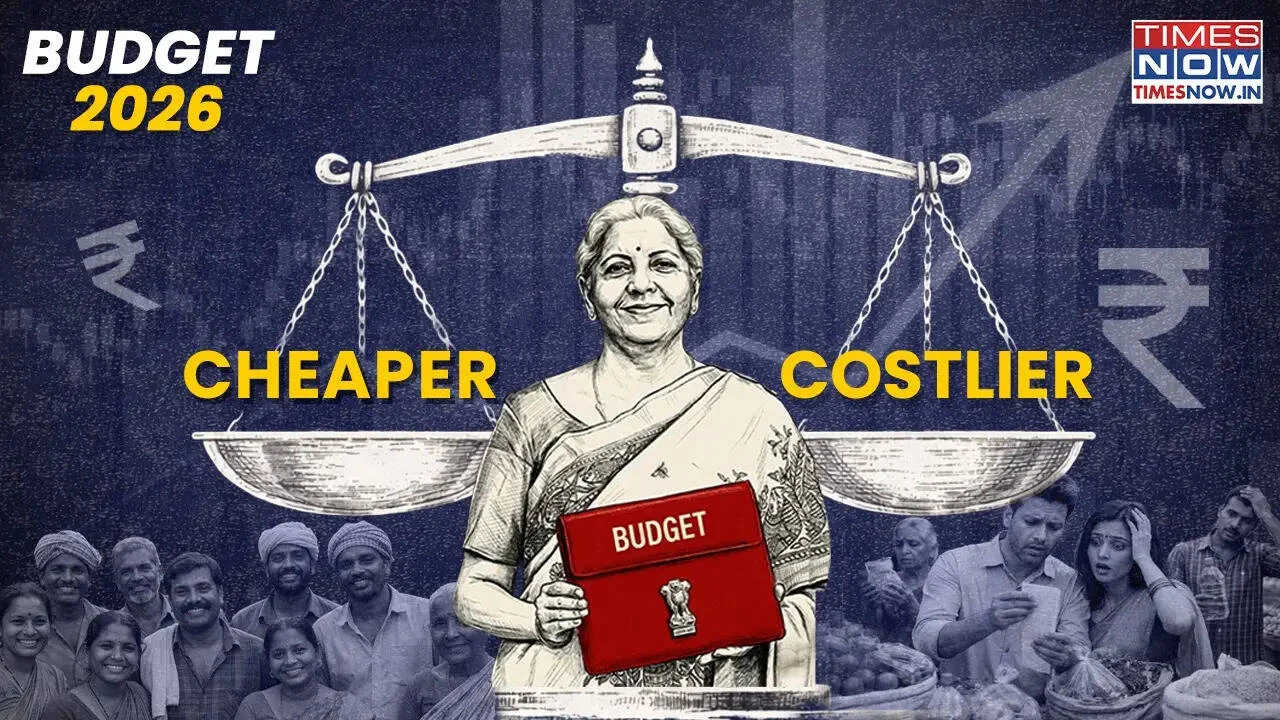
Following the presentation of the Union Budget 2026, a notable series of adjustments to customs duties and taxes is set to alter the cost of various goods and services across India. These measures, outlined by Finance Minister Nirmala Sitharaman, are designed to achieve a balance between supporting domestic industries, encouraging the adoption of cleaner technologies, and providing relief in critical sectors like healthcare and education. While certain essential items and manufacturing inputs are slated to become more affordable, others, particularly those deemed non-essential or subject to import restrictions, are expected to see price increases.
The financial proposals will likely affect both consumers and businesses, influencing manufacturing expenses, import strategies, and final retail prices. The impact of these changes is anticipated to unfold gradually, with some effects noticeable shortly after implementation and others becoming apparent over a longer period as market dynamics adjust.
Read More: India Aims to Build Its Own Fast Trains
Detailed Breakdown of Price Changes
The Budget 2026 introduced changes affecting a wide array of products, from life-saving medicines to everyday consumer goods and industrial components.
Items Expected to Become Cheaper
A significant focus of the Budget appears to be on making healthcare more accessible and promoting domestic manufacturing and clean energy.

Healthcare:
Duty exemptions and reductions for essential medicines are a prominent feature.
Basic customs duty has been removed on 17 life-saving cancer drugs.
Customs duty relief has been extended to medicines for 7 rare diseases, with full customs duty exemption for personal use.
Essential medicines, including some for cancer and diabetes, are listed as becoming more affordable.
Electronics and Technology:
Measures are in place to reduce the cost of electronics manufacturing inputs and finished goods.
Components for smartphones, tablets, and microwave ovens will see reduced basic customs duty (BCD) or nil duty on parts, aiming to make these devices cheaper.
Lithium-ion cells for EV batteries and solar panels will continue to have duty exemptions on key inputs.
Specific duty exemptions are in place for aircraft manufacturing components and engine parts, intended to lower aviation operating expenses and support domestic defence manufacturing.
Increased allocation for domestic chip and electronics manufacturing is expected to reduce import dependence and production costs for items like phones, laptops, and appliances over time.
Consumer Goods and Services:
Efforts to support domestic production are reflected in lower costs for certain consumer goods.
Leather goods and footwear manufacturing may see lower costs due to duty-free import of key raw materials.
Seafood products are expected to become cheaper, with a duty-free import limit raised for inputs and provisions for duty-free fish catch beyond Indian waters.
Sports equipment may see price reductions under initiatives like the 'Khelo India Mission'.
Kiwi and pear fruits, fruit juices, non-alcoholic beer, and processed foods are noted as potentially becoming cheaper due to reduced tariffs.
Overseas tour packages and foreign education expenses are expected to become more affordable due to a reduction in the Tax Collected at Source (TCS) rates.
Items Expected to Become Costlier
Conversely, the Budget introduces increased duties or withdrawal of exemptions on specific items, potentially impacting consumer spending and industrial practices.
Read More: Japan's Economy Grows Slightly, Avoids Recession
Tobacco and Alcohol:
Excise duties and specific levies are being increased on tobacco and alcohol products.
The National Calamity Contingent Duty (NCCD) on chewing tobacco, gutkha, and similar products has been raised from 25% to 60%.
Alcoholic beverages are subject to higher taxation.
Trading and Investments:
The cost of speculative trading activities is being increased through higher taxes.
Stock market trading, particularly in futures and options (derivatives), will become more expensive due to an increase in Securities Transaction Tax (STT). STT on Futures has been raised to 0.05% from 0.02%, and on Options to 0.15% from 0.1%.
Misreporting of income tax will incur a 100% penalty on the tax amount.
Specific Imports and Manufactured Goods:
Tariffs are being adjusted on certain imported goods to encourage domestic production or discourage consumption.
Imported umbrellas and their parts will now attract a specific minimum duty, making cheap imports costlier.
High-end professional imported gear, including specific filming and sound recording equipment, and professional coffee equipment, may face higher costs due to duty increases.
Fertilizers, specifically Ammonium Phosphate, might see higher costs due to the removal of import fee exemptions.
Imported watches and alcohol will see rationalisation of duties and excise hikes.
Minerals, iron ore, and coal are subject to higher export or regulatory duties.
Scrap imports will face increased levies.
Commercial LPG (19kg) and coffee vending machines may become costlier due to the removal of customs duty exemptions.
Nuclear power project components are affected by the removal of selective exemptions.
Underlying Rationale and Objectives
The measures implemented through Budget 2026 reflect a multi-pronged strategy by the government.
Read More: India Hosts Big AI Meeting to Talk About Using AI Faster
Support for Domestic Industries: A recurring theme is the use of duty adjustments to bolster 'Make in India' initiatives. By reducing duties on manufacturing inputs and raising them on finished imports, the government aims to foster local production and create employment opportunities.
Promotion of Clean Energy: Continued duty exemptions on key inputs for electric vehicle batteries and solar panels underscore the commitment to advancing clean energy adoption.
Healthcare Accessibility: The significant relief provided on cancer drugs and medicines for rare diseases indicates a prioritization of public health and reducing the financial burden on patients facing critical illnesses.
Revenue Generation and Consumption Control: Increases in duties and taxes on items like alcohol, tobacco, and certain imports are likely intended to boost government revenue while potentially curbing consumption of goods perceived as non-essential or harmful.
Discouraging Low-Quality Imports: The introduction of specific minimum duties on certain items like umbrellas suggests an effort to protect domestic manufacturers from what is perceived as the import of low-quality goods.
Expert Observations and Implications
Financial analysts note that budget-related duty changes have a dual impact, affecting both consumers and businesses.
Read More: TUC Asks Bank of England to Lower Interest Rates for Spending
"Budget decisions don’t exist in isolation. Sometimes businesses absorb the change, sometimes they pass it on." - TheUnitedIndian.com
The immediate impact on prices can vary, as businesses may absorb some of the duty changes initially before passing them on to consumers. The long-term effects will depend on market response, production adjustments, and consumer demand.
Healthcare Sector: The relief on essential medicines is hailed as a significant win for patients, potentially making treatment more manageable for a wider population.
Manufacturing Sector: Lower costs for components in electronics, aircraft, and footwear manufacturing are expected to provide a competitive edge and stimulate growth.
Financial Markets: The hike in STT on derivatives trading signals a move to curb speculative activities, potentially leading to a more stable, albeit less volatile, trading environment.
Conclusion and Future Outlook
Budget 2026 presents a carefully calibrated set of financial policies aiming to steer economic growth, support key industries, and manage public expenditure. The adjustments in customs duties and taxes are set to create a dynamic shift in the cost of living and business operations across India.
Read More: Many People Join AI Meeting in India
Key takeaways include:
Healthcare affordability: A clear win for patients with significant duty reductions on critical medicines.
Manufacturing boost: Encouragement for domestic production through input cost reductions in sectors like electronics and footwear.
Shift in indirect taxation: Higher levies on tobacco, alcohol, and certain imports, alongside measures to curb trading speculation.
While the direct impact of these changes may not be instantaneous, they signal a strategic direction for the economy. Consumers are likely to benefit from cheaper essential medicines and certain consumer goods, while facing increased costs for items like alcohol, tobacco, and speculative financial activities. The success of these measures will ultimately be judged by their contribution to sustained economic growth, improved affordability in essential sectors, and the overall well-being of the Indian populace.
zeenews.india.com: (Published: 5 minutes ago) Covers general price changes, mentioning healthcare, electronics, and clean energy as becoming more affordable, while others may rise due to duties.
hindustantimes.com: (Seen on: AOL) Provides a comprehensive list of items becoming costlier (nuclear power components, minerals, stock options) and cheaper (kiwis, pears, fruit juices, rare disease medicines).
cleartax.in: (Published: Feb 1, 2026) Focuses on increased costs for high-end imported gear, professional equipment, and specific fertilizers, alongside rationalized duties on watches and alcohol.
jagranjosh.com: (Published: Feb 1, 2026) Offers a detailed list comparing Budget 2025 with Budget 2026, specifying duty slashes, exemptions, and hikes for numerous items including cancer drugs, foreign education, and stock trading.
timesnownews.com: (Published: Feb 2, 2026) Summarizes items getting cheaper (leather goods, cancer medicines, EVs) and costlier (coal, scrap, liquor, trading), highlighting the budget's focus on healthcare, education, and clean energy.
theunitedindian.com: (Published: Feb 2, 2026) Discusses that budget changes take time and businesses may absorb or pass on costs, emphasizing that budget decisions are not isolated events.
firstpost.com: (Published: Feb 1, 2026) Highlights Finance Minister Nirmala Sitharaman's announcements on cancer drugs, rare diseases, and hikes in STT for futures and options trading.
theresearchers.us: (Published: Feb 1, 2026) Notes relief on medicines and green energy inputs, contrasted with higher taxes on alcohol, tobacco, and trading, impacting ordinary citizens with lower medical/tech costs but higher expenses in other areas.
sakshipost.com: (Published: Feb 2, 2026) Mentions life-saving drugs and EV battery inputs becoming cheaper, while imported personal goods and certain other items may see increased duties.
thehindu.com: (Published: Feb 1, 2026) Reports increased NCCD on tobacco products and mentions that umbrellas will attract specific minimum duties, making cheap imports costlier.
Read More: Global Economy Feels More Uncertain, But Some Still Feel Hopeful