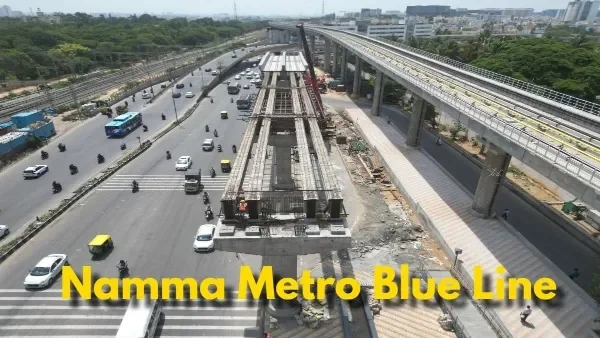
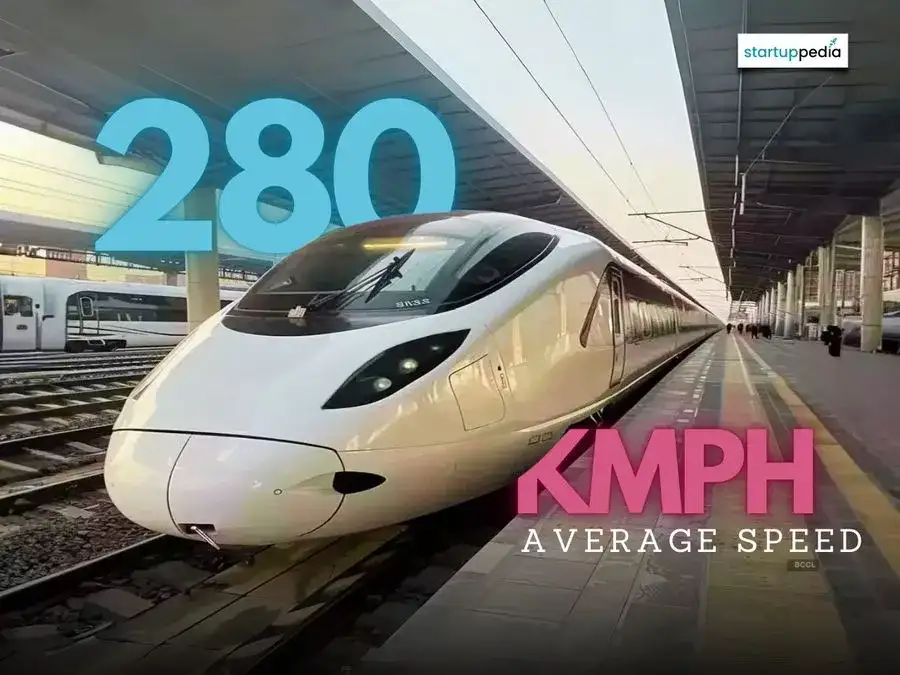
India is stepping up its efforts to design and build its own high-speed trains, aiming for speeds of 280 kilometers per hour. This move follows the development of the Vande Bharat Express and signifies a push for greater self-reliance in advanced railway technology. The Mumbai-Ahmedabad High Speed Rail project is serving as a key learning ground for this national ambition.
A Push for Speed and Self-Sufficiency
The Indian government is shifting its focus towards the design and manufacturing of high-speed train sets capable of reaching 280 kmph. This initiative, often highlighted under the "Make in India" program, aims to build domestic expertise and capacity in a field that has historically relied on foreign collaboration.
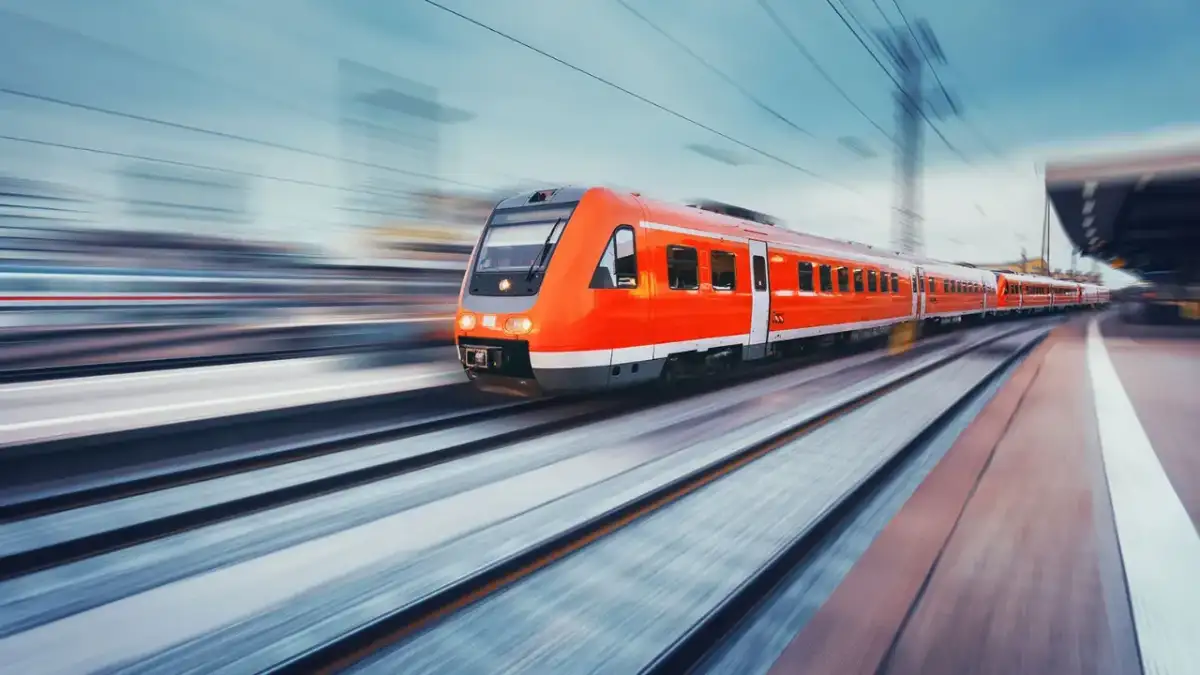
Next Generation Trains: Following the success of the Vande Bharat trains, Indian Railways' Integral Coach Factory (ICF) in Chennai is working with BEML to create new high-speed train sets.
Target Speed: The goal is to produce trains that can achieve speeds of 280 kmph.
Indigenous Development: The plan involves significant development, particularly in the power train and body of these advanced trains, building upon the existing Vande Bharat platform.
Mumbai-Ahmedabad Project as a Foundation
The Mumbai-Ahmedabad High Speed Rail (MAHSR) corridor, India's first bullet train project, is seen as crucial for developing the necessary technological and operational groundwork for future high-speed rail networks. Despite facing challenges, the project is progressing, and the lessons learned are considered invaluable for the nation's broader high-speed rail aspirations.
Read More: India IVF Costs And Social Barriers Limit Access In April 2026
Project Scope: The MAHSR project connects cities including Mumbai, Surat, Vadodara, and Ahmedabad.
Construction Progress: Significant portions of the project's physical infrastructure are complete.
336 km of pier foundation laid.
331 km of pier construction finished.
260 km of girder casting completed.
225 km of girder launching done.
Underground Work: Construction on an under-sea tunnel, approximately 21 km long, has begun, with 4.8 km completed between Ghansoli and Shilphata.
Foundation for Future: The technical skills gained in track construction, advanced signaling, rolling stock manufacturing, and project management from MAHSR are expected to benefit future high-speed rail corridors.
Features of the New High-Speed Trains
The upcoming high-speed trains are being designed with modern amenities and safety features, drawing inspiration from global standards and incorporating advancements.
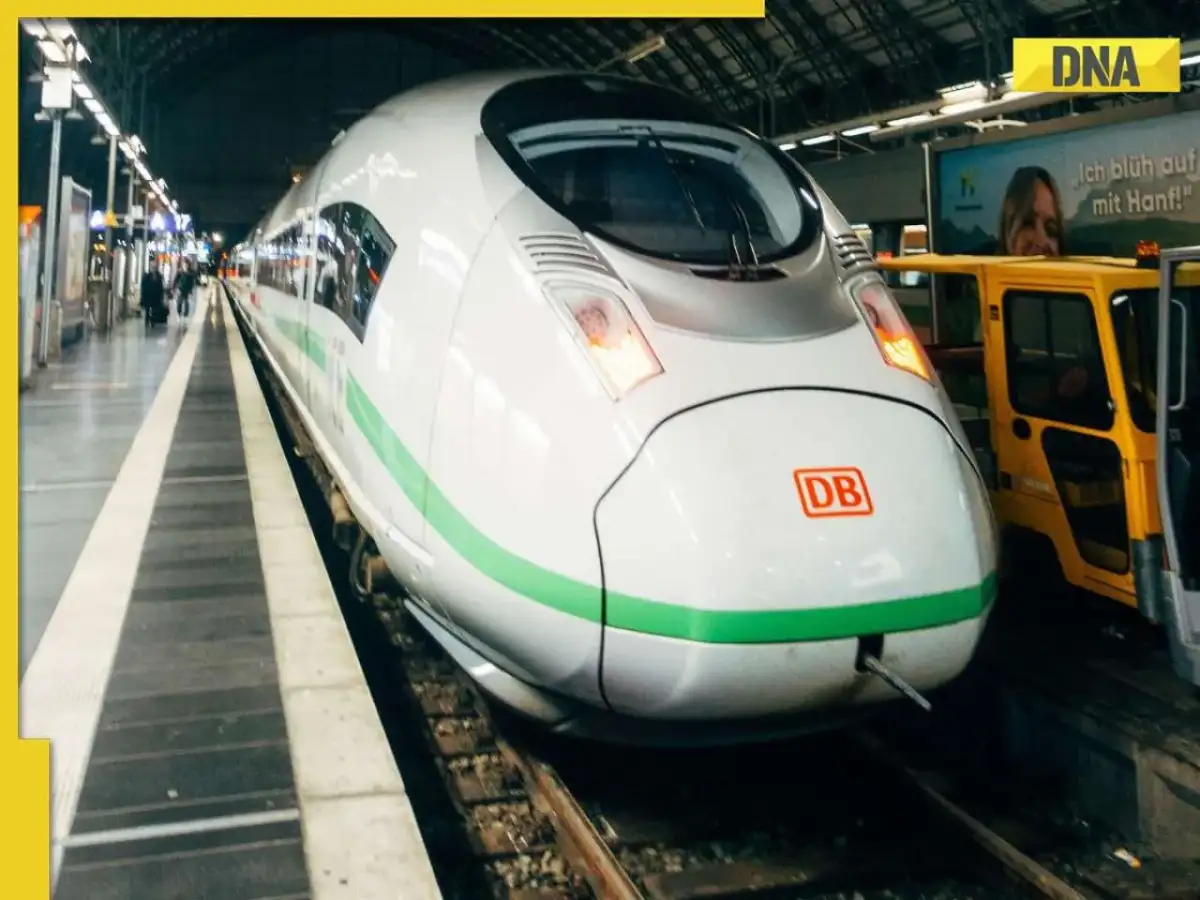
Design Elements:
Aerodynamic exteriors.
Sealed gangways for better passenger comfort.
Automatic doors for efficient boarding and alighting.
Climate control and optimal lighting.
Airtight car bodies.
Passenger Comfort:
Mobile charging points.
Modern amenities in chair car configurations.
Safety Systems:
CCTV surveillance for security.
Advanced fire safety systems.
Integration with Kavach 5.0, India's automatic train protection system, is planned for enhanced safety.
Collaboration and Technology Transfer
While the focus is on domestic manufacturing, India continues to leverage international partnerships to expedite the process and acquire advanced technology.
Japanese Assistance: The Mumbai-Ahmedabad project has received technical and financial support from Japan, particularly in areas like signaling and infrastructure.
Trial Runs: India is in discussions with Japan to speed up the design, manufacturing, and trial runs of these high-speed trains.
Localization Goal: The overarching aim is to localize the production of these trains and develop indigenous versions for future standard gauge high-speed corridors.
Expert Perspectives and Future Outlook
The drive towards domestically manufactured high-speed trains is viewed as a significant step in India's infrastructure development and technological advancement.
"The Mumbai–Ahmedabad High Speed Rail Project stands as India’s first and only high-speed rail corridor currently under execution. The Mumbai–Ahmedabad High Speed Rail Project is laying the technological and operational foundation for India’s future bullet train corridors."Rail Analysis India
The insights and capabilities developed through the MAHSR project are anticipated to be instrumental in shaping and accelerating the development of subsequent high-speed rail corridors across the nation. This initiative represents a move toward making India a more prominent player in the global high-speed rail sector.
Conclusion and Next Steps
India's commitment to developing and manufacturing its own 280 kmph high-speed trains marks a strategic shift towards technological self-sufficiency. The Mumbai-Ahmedabad High Speed Rail project is central to this endeavor, providing essential experience and laying the groundwork for a future network of high-speed rail lines.
Read More: New Bengaluru Green Line Metro Trains Arriving by August 2026
Key Developments:
The government is prioritizing the design and manufacturing of 280 kmph trains.
The MAHSR project continues to progress, offering vital lessons for future undertakings.
New train sets will incorporate advanced features for speed, comfort, and safety, including Kavach 5.0.
Future Implications: This focus on domestic production aims to reduce reliance on foreign technology, foster local industry, and create a foundation for expanding high-speed rail across India. The success of this strategy will depend on continued investment in research, development, and manufacturing capabilities.
Sources:
Indian Express: https://indianexpress.com/article/india/latest-news-today-live-updates-world-india-cities-news-delhi-mumbai-bengaluru-02-16-2026-news-headlines-10534320/ (Published: 16 February 2026) - This source provides general live updates and mentions the government's focus on 280 kmph trains after Vande Bharat.
The Times of India: https://timesofindia.indiatimes.com/business/india-business/high-speed-280-kmph-trains-soon-indian-railways-to-manufacture-bullet-trains-check-top-features/articleshow/115756232.cms (Published: 28 November 2024) - This article details the collaboration between ICF and BEML to design and manufacture 280 kmph trains, and provides progress on MAHSR.
Rail Analysis India: https://railanalysis.in/bullet-train/nhsrcl-advances-mumbai-ahmedabad-bullet-train-project-with-strong-domestic-manufacturing-push/ (Published: 3 days ago, estimated around 13 February 2026) - Focuses on the MAHSR project's role in building domestic capacity for India's high-speed rail future.
Times Now: https://www.timesnownews.com/business-economy/industry/made-in-india-mumbai-ahmedabad-bullet-train-gains-pace-280km/hour-speed-with-kavach-5-0-safety-details-article-115800848 (Published: 29 November 2024) - States that the bullet train project will be developed from the Vande Bharat platform and highlights the integration of Kavach 5.0.
Indian Masterminds: https://indianmasterminds.com/news/mumbai-ahmedabad-bullet-train-mahsr-progress-india-high-speed-rail-184682/ (Published: 4 days ago, estimated around 12 February 2026) - Emphasizes the MAHSR project's role in building long-term domestic capability in HSR technology and operations, including details about the under-sea tunnel.
APAC News Network: https://apacnewsnetwork.com/2024/11/27/railway-minister-asserts-mumbai-ahmedabad-bullet-train-project-on-track/ (Published: 27 November 2024) - Reports on the Union Minister for Railways' statement regarding the progress of the MAHSR project and domestic production of high-speed trains.
News9 Live: https://www.news9live.com/business/biz-news/after-vande-bharat-express-indian-railways-plans-new-train-with-280-kmph-speed-2760835 (Published: 27 November 2024) - Features an update from Ashwini Vaishnaw on the MAHSR project and details the key features of the upcoming 280 kmph high-speed train.
DNA India: https://www.dnaindia.com/business/report-this-is-india-s-first-bullet-train-with-each-coach-worth-2786-crore-speed-of-280-kmh-set-to-run-from-mumbai-to-3120412 (Published: 30 November 2024) - Mentions the acceleration of the Bullet Train project post-election and the development using the Vande Bharat platform, including advanced signaling with Kavach 5.0.
Startup India: https://startuppedia.in/trending/trending/indian-railways-revolutionizing-travel-with-its-first-bullet-train-250-kmph-average-speed-kavach-50-7659214 (Published: 30 November 2024) - Highlights the insights gained from MAHSR for future corridors and ongoing negotiations with Japan for design, manufacturing, and trial runs to localize production.

/newsfirstprime/media/media_files/2026/02/18/green-line-metro-2026-02-18-14-46-47.jpg)