The Trades Union Congress (TUC) is calling on the Bank of England to lower interest rates to help revive consumer spending, which they argue is lagging behind that of other nations. This push comes as economic indicators suggest a sluggish growth rate, prompting the TUC to advocate for a series of rate reductions to stimulate the economy.

Economic Landscape and TUC's Position
The TUC's stance centers on the belief that weak economic growth should be the primary concern for the Bank of England. They are proposing a proactive approach, suggesting "a sequence of quick-fire cuts this year" to reignite spending.
The TUC highlights that "cash-strapped consumers are lagging their international peers."
This call is made in contrast to some members of the Monetary Policy Committee who remain wary of potential wage growth leading to renewed inflation.
Bank of England's Mandate and Interest Rate Mechanism
The Bank of England sets the Bank Rate, which influences the cost of borrowing and the returns for savers.
Read More: India Budget 2026: Prices Change for Many Items
Higher interest rates: increase payments on mortgages and loans, leading to less disposable income for other spending.
Lower interest rates: are intended to reduce borrowing costs and encourage spending.
Inflation Trends and Rate Decisions
Recent data shows a decrease in inflation rates, with figures falling to 3.2 percent, below the forecasted 3.5 percent. This easing of price rises has fueled the TUC's argument for a rate cut.

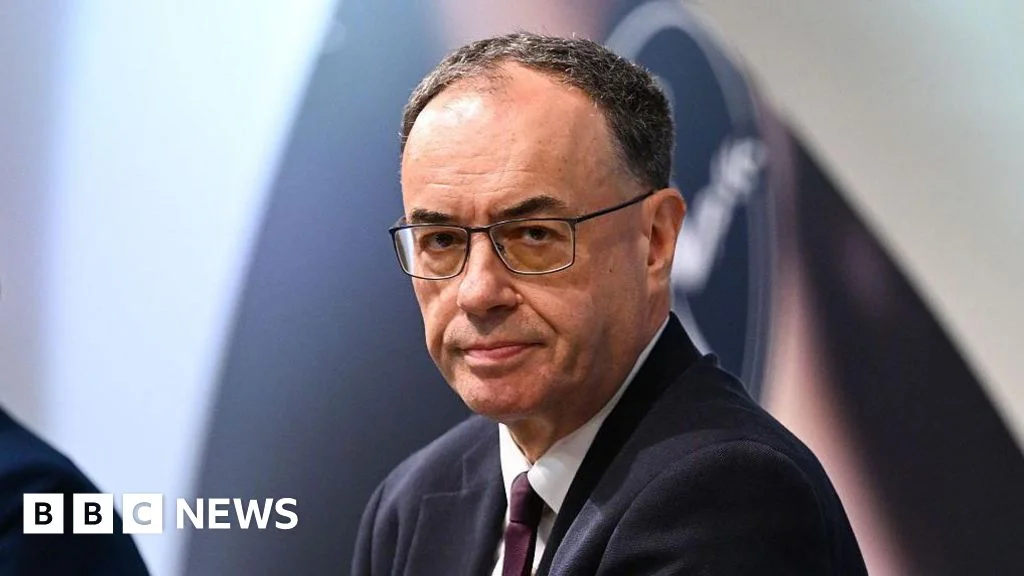
The Bank of England governor, Andrew Bailey, has indicated a potential further quarter-point reduction to 3.75 percent.
The Bank's Monetary Policy Committee has been making decisions amidst competing concerns about the economy's health.
Conflicting Economic Views
While the TUC advocates for cuts to boost spending, other perspectives highlight different economic pressures.
Concerns Over Inflationary Pressures
Some businesses argue that decisions to increase employer National Insurance contributions and the minimum wage contributed to inflation as costs were passed on to consumers.
Worries persist that rising food prices could lead to a worsening of inflation, potentially forcing the Bank to pause or even reverse rate cuts.
Government's Growth Strategy
The Chancellor is focused on a growth strategy that includes boosting infrastructure investment and simplifying planning rules, alongside efforts to control inflation.
Conservative party members have suggested that Labour's tax and borrowing policies have slowed the pace of interest rate reductions.
Expert Analysis and Context
The Bank of England's decisions on interest rates are complex, balancing the need to control inflation with the objective of fostering economic growth.
Read More: UK May Ban Social Media for Kids Under 16
"Higher interest rates mean higher payments on many mortgages and loans, meaning people must spend more on them and less on other things." – Bank of England
Andrew Bailey, Bank of England governor, has suggested that recent increases in some prices are expected to be temporary, with the overall trend for interest rates pointing downwards.
The Bank anticipates an improvement in economic growth if consumer spending returns to normal and savings rates decline.
Conclusion and Implications
The TUC's consistent advocacy for interest rate cuts underscores a view that stimulating consumer demand is critical for economic recovery. However, the Bank of England operates within a framework that must also manage inflationary risks, creating a delicate balancing act.
The Bank's decision-making involves weighing the immediate need for growth against the potential for future inflation.
Future rate adjustments will likely depend on evolving inflation data and broader economic performance.
Key Sources
The Guardian: Bank of England should cut rates to boost consumer spending, says TUC (Published: 20 minutes ago) - https://www.theguardian.com/business/2026/feb/16/bank-of-england-should-cut-rates-to-boost-consumer-spending-says-tuc
Morning Star: Bank of England must cut rates as inflation eases, TUC urges (Published: Dec 17, 2025) - https://morningstaronline.co.uk/article/bank-england-must-cut-rates-inflation-eases-tuc-urges
BBC News: Interest rates cut 'important moment', says Bank of England boss (Published: Aug 1, 2024) - https://www.bbc.co.uk/news/articles/cx72dpxy25do.amp
WiredGov Newswire: TUC: Bank of England should cut interest rates (Published: Jan 19, 2026) - https://www.wired-gov.net/wg/news.nsf/articles/TUC+Bank+of+England+should+cut+interest+rates+15122025101500
Bank of England: Interest rates and Bank Rate: our latest decision (Published: Nov 6, 2025) - https://www.bankofengland.co.uk/monetary-policy/the-interest-rate-bank-rate
)