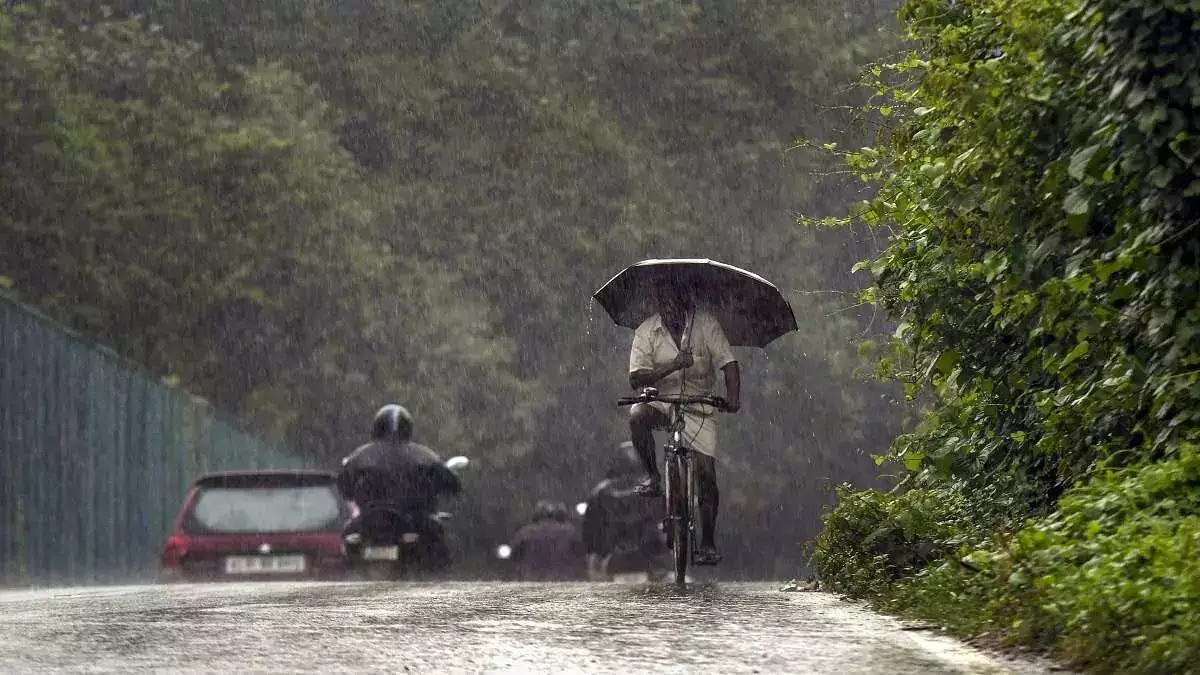
A significant weather event has impacted New Zealand, bringing heavy rain, gale-force winds, and coastal swells that have caused extensive damage. The storms have led to power outages affecting tens of thousands of homes, disruptions to transport networks, and the declaration of states of emergency in multiple districts. Tragically, the severe weather has also resulted in fatalities.

Storms Unleash Power Outages and Infrastructure Damage
The impact of the recent storms on New Zealand is substantial, with widespread effects reported across the North Island and parts of the South Island.

Power Disruptions: Tens of thousands of properties have experienced power outages. On the North Island, over 6,780 properties were without power on Sunday, with tens of thousands more affected in the lower North Island.
Infrastructure Impact: Transport networks have faced considerable disruption. Flights have been cancelled, and rail services have been delayed or halted due to high winds and flooding. A passenger train in Wairarapa collided with a downed tree.
Water Issues: Some areas are facing water supply problems. Residents in Pirinoa were advised to boil drinking water due to floodwaters affecting the local treatment plant. Other residents in Taihape, Mangaweka, Hunterville, and Rātana were asked to conserve water.
Coastal Hazards: Dangerous coastal swells have lashed exposed shorelines, contributing to the widespread disruption.
States of Emergency Declared in Affected Districts
In response to the severe weather, authorities have declared states of emergency in several districts, signaling a critical level of impact.

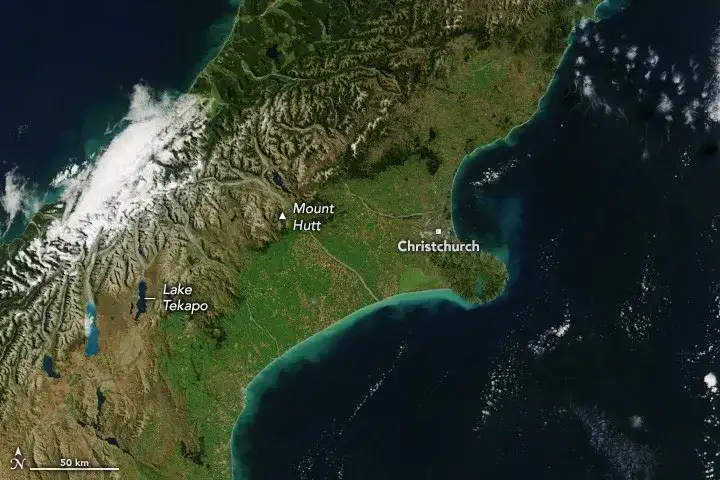
Declared Emergencies: States of Emergency have been put in place for the Manawatū Whanganui region, as well as the Waipā and Ōtorohanga districts. The Rangitīkei District Council and Manawatū District Council have also made declarations, activating emergency response teams and closely monitoring river levels. Whangārei, Thames-Coromandel, Hauraki districts, and the Bay of Plenty and Tairāwhiti-Gisborne regions have also reported states of emergency due to severe rainfall. A state of emergency was also declared for parts of the South Island, including Christchurch, following similar weather impacts.
Emergency Response: Local councils have activated emergency response teams to manage the situation and monitor critical infrastructure like river levels.
Fatalities and Evacuations Amidst Severe Weather
The severe weather has resulted in loss of life and forced evacuations in affected areas.
Fatalities: At least one man has died after his vehicle became submerged in floodwaters. Reports indicate the man was found dead inside a submerged car on State Highway 39 in Puketotara. Another man was found dead after his vehicle was submerged in floodwaters on a highway, with reports indicating this occurred on both Sunday and Saturday. Furthermore, there are reports of two people dying in landslides in Welcome Bay, and two others (a child and his grandmother) killed in a separate landslide in Pāpāmoa. Some reports mention up to nine people killed in total from landslides and flooding in January 2026.
Evacuations: Homes have been evacuated in areas such as Lower Hutt, in the Manawatū District, and on the coast of the Tararua District due to rising river levels. Severe weather has also forced evacuations in the upper North Island.
Meteorological Factors Behind the Storm
The intensity of the storms is attributed to a specific meteorological setup.
Read More: Tohorā Diet Study Boosted by New Zealand Beach Find
Low-Pressure System: A deep area of low pressure to the south-east of New Zealand's North Island brought heavy rain and gale-force winds. This system developed when a cold front merged with a strengthening offshore low-pressure system.
Wind Speeds: Strong southerly winds amplified the storm's effects, with speeds exceeding 150 kilometers per hour reported in Wellington.
Rainfall: Heavy rain has been a persistent feature, with some areas experiencing significant rainfall. Warnings for further flooding across the North Island were issued.
Ongoing Warnings and Future Forecasts
Weather authorities continue to monitor the situation, with warnings and watches in effect for various regions.
Current Warnings: MetService has warnings in place for heavy rain and severe gales for the eastern, central, and southern North Island, Marlborough, North Canterbury, and the Chatham Islands. Heavy rain and strong wind warnings cover much of the North Island's east coast.
Lingering System: The storm system was expected to linger for a time before tracking southwards, with further impacts anticipated on Monday. Warnings and watches were in the process of being lifted in some areas as the weather system moved on.
*
Sources Used
The Guardian: "Weather tracker: New Zealand hit by storms and widespread floods" - Published 14 minutes ago. https://www.theguardian.com/environment/2026/feb/16/weather-tracker-new-zealand-hit-by-storms-and-widespread-floods
RNZ: "Wild weather warnings issued across NZ, five districts in states of emergency" - Published 1 day ago. https://www.rnz.co.nz/news/national/586922/wild-weather-warnings-issued-across-nz-five-districts-in-states-of-emergency
ABC News: "New Zealand's North Island braces for more rain amid widespread flooding" - Published 1 day ago. https://www.abc.net.au/news/2026-02-15/new-zealand-north-island-rain-flooding/106347264
1News: "Some warnings and watches to lift, widespread damage will take time to address" - Published 4 hours ago. https://www.1news.co.nz/2026/02/14/live-state-of-emergency-in-otorohanga-as-tropical-low-lashes-north-island/
9News: "One man dead, tens of thousands without power as storms batter New Zealand" - Published 8 hours ago. https://www.9news.com.au/world/new-zealand-wild-storms-cause-250mm-rainfall-and-widespread-floods/92e13fdf-329f-4088-9f81-0e36263c0bba
NZ Herald: "Storm devastation revealed: Photos show scale of damage" - Published: Published. https://www.nzherald.co.nz/nz/north-island-storms-photos-reveal-scale-of-storm-damage/JJ52GKINFJHATHRSEIJYHE4K5U/
NZ Herald: "Wild weather: Firefighters prepare for a heavier deluge tomorrow" - Published: Published. https://www.nzherald.co.nz/nz/north-island-flooding-a-death-a-state-of-emergency-and-a-heavier-deluge-tomorrow/WOZM5A7TLVG5TBHZK2XIQ4PGK4/
NASA Science: "Late-Autumn Storm Lashes New Zealand" - Published: May 6, 2025. https://earthobservatory.nasa.gov/images/154257/late-autumn-storm-lashes-new-zealand
BBC News: "New Zealand: Two dead and several missing after deadly landslides" - Published: Published. https://www.bbc.com/news/articles/cje11x527n4o
WSWS: "Up to 9 people killed in New Zealand landslides, flooding" - Published: January 24, 2026. https://www.wsws.org/en/articles/2026/01/24/dzhi-j24.html