Security Council Approves Bahrain-Led Text Amidst Division
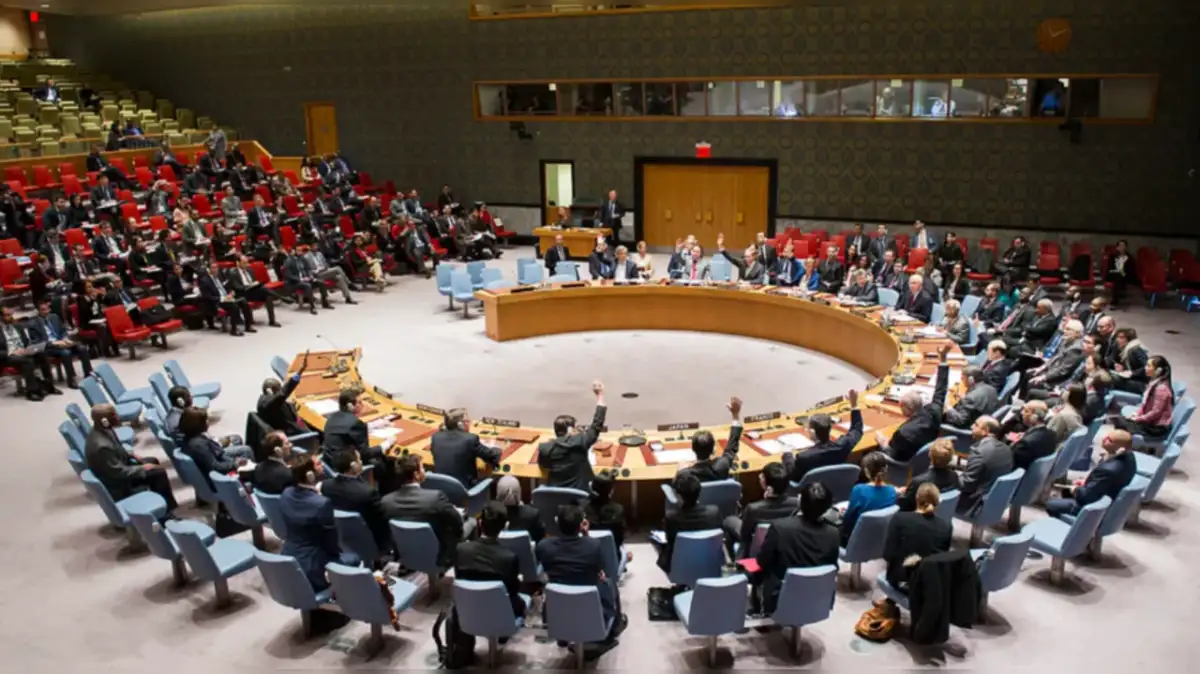
The United Nations Security Council has passed a resolution, co-sponsored by India and 134 other nations, condemning recent "egregious attacks" by Iran against regional neighbors. The resolution, passed with 13 votes in favour and two abstentions (China and Russia), specifically targeted Iran's strikes on Bahrain, Kuwait, Oman, Qatar, Saudi Arabia, the United Arab Emirates, and Jordan.
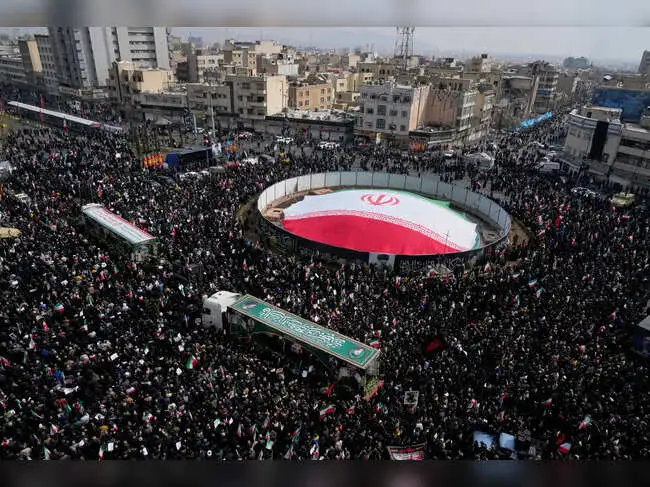
The resolution "in the strongest terms" condemned Iran's strikes on "residential areas and civilian objects," demanding their immediate cessation and calling on Iran to comply with international law, particularly humanitarian law, concerning the protection of civilians. It also reiterated support for the territorial integrity, sovereignty, and political independence of the targeted Gulf nations and Jordan.

Divergent Views Emerge
While the resolution found broad support, dissent was evident. The representatives of France and Denmark placed significant blame on Tehran for the escalation, with France stating, "Iran bears a heavy responsibility for the current escalation." Israel's representative welcomed the condemnation, asserting that "Targeting civilians is wrong, targeting cities is wrong, and Iran must stop."
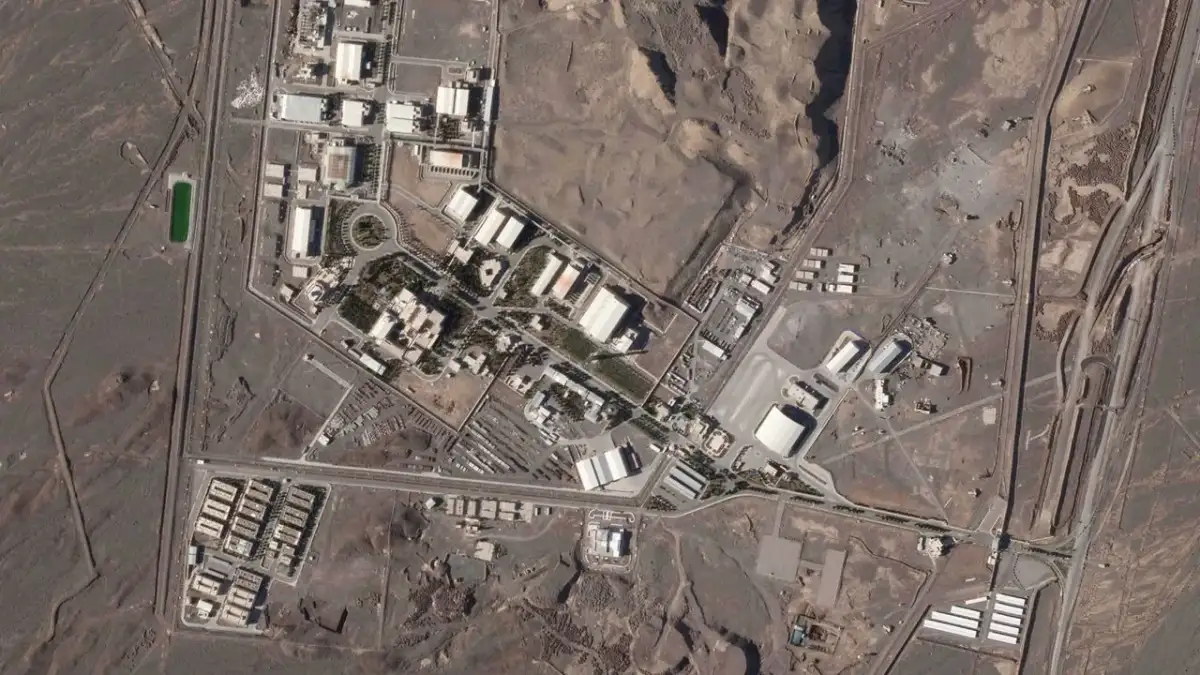
Read More: Iran Zagros Mountain Nuclear Site Construction Update April 2026

Conversely, China, which abstained, cautioned that the resolution "does not fully reflect the root cause and overall picture of the conflict in a balanced manner." Russia echoed this sentiment, describing the resolution's tone as "biased and one-sided" and suggesting the narrative implied Tehran struck targets "out of pure malice." The UK representative criticized Russia's stance as hypocritical. Iran's delegate decried the resolution as a "manifest injustice against my country" and a "serious setback to the Council's credibility."
India's Position and Strategic Considerations
India's Ministry of External Affairs spokesperson, Randhir Jaiswal, stated that the resolution "reflects several of our positions," and acknowledged the loss of precious lives. However, former Indian Foreign Secretary Nirupama Menon Rao suggested that India's sponsorship might "endorse a narrative that begins the story with Iranian retaliation rather than the escalation that preceded it."
Read More: Pakistan Envoy Starts Iran Conflict Talks in Washington Today
This move underscores India's delicate balancing act in West Asia, driven by its significant 'strategic and economic ties' with the Gulf region and 'energy security' concerns.' India aims to navigate its 'robust strategic partnership with the U.S.' and its 'deep economic ties with the Gulf Arabs' against its historical relationship with Iran. While continuing engagement with all parties, India faces the challenge of calibrating public statements to avoid appearing partisan.
Background and Context
The Security Council resolution followed Iran's alleged attacks against its regional neighbors. Russia's own draft resolution, which reportedly did not explicitly name Iran as responsible for "unjustified attacks," failed to pass due to abstentions from several key member states, including Bahrain, Colombia, Democratic Republic of the Congo, Denmark, France, Greece, Liberia, Panama, and the United Kingdom. The failure of Russia's draft prompted accusations from Moscow of "short term political interests" influencing member states' votes. Israel also raised concerns regarding Iran's nuclear program.
Read More: 40 Die in Quetta to Peshawar Bus Crash in Balochistan on April 3 2026