As of April 7, 2026, the repair advocacy organization iFixit has officially commenced a partnership with the National Sanitation Foundation (NSF) to establish a voluntary, standardized scoring system for electronics repairability within the United States. This effort marks a departure from the organization’s existing proprietary scores, moving toward a consensus-based framework intended to influence national market transparency.
The initiative seeks to codify how consumer electronics are rated for ease of repair, aiming to bridge the gap between fragmented state-level regulations and the lack of a singular, national methodology for manufacturers and recyclers.
Structural Development Phases
The project is organized into a three-phase operational structure to ensure the standard aligns with both domestic requirements and international precedents:
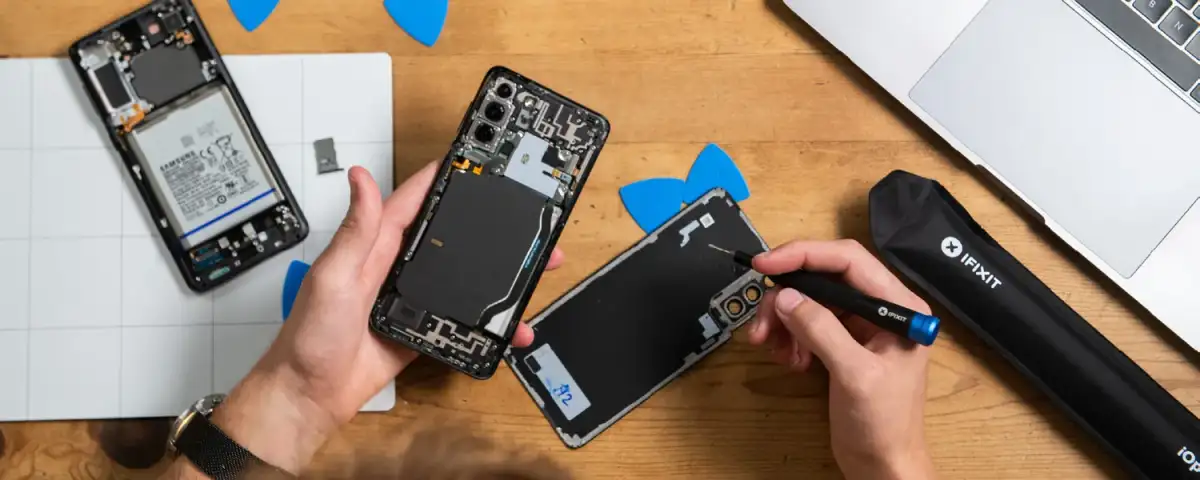
Phase 1: Adaptation – Translating the existing EU/JRC smartphone methodology to fit the specific nuances of the US market.
Phase 2: Stakeholder Assembly – Convening a technical committee comprising manufacturers, repair professionals, researchers, consumer advocates, and sustainability experts to finalize the assessment criteria.
Phase 3: Implementation – Developing additional scorecards for diverse product categories to provide consistent, verifiable metrics for consumers at the point of sale.
| Feature | Existing iFixit Scoring | New NSF-Aligned Standard |
|---|---|---|
| Governance | Internal/Proprietary | Consensus-based/Technical Committee |
| Objective | Consumer guidance/Accessibility | Regulatory-ready standardization |
| Scope | Varies by device type | Broad, scalable categories |
Context and Regulatory Background
The push for a standardized scoring system follows a period of stagnation in federal legislative progress regarding Right-to-Repair. While individual states such as California, Minnesota, and New York have moved to codify repair access into law, industry-wide adoption remains uneven.
Read More: Chrome mimeHandler API lets extensions handle file types
In late 2023, iFixit and the US Public Interest Research Group (PIRG) formally petitioned the Federal Trade Commission (FTC) to implement aggressive rules regarding device longevity and repair disclosures. By teaming with the NSF—a known standard-setting organization—iFixit appears to be shifting tactics from direct legislative lobbying to industry-standard creation. The intent is to normalize repairability data so that consumers might eventually rely on standardized labeling to evaluate Product Longevity prior to purchase, effectively turning repairability into a competitive market factor rather than a niche concern.
Observers note that this move toward an NSF-validated standard provides a framework that can be easily adopted or referenced by federal agencies if they choose to pursue further regulation on product design and lifecycle management.
Read More: US 250th Anniversary on July 7, 2026, sees 20% not celebrating