Agents Deployed as DHS Funding Talks Stall
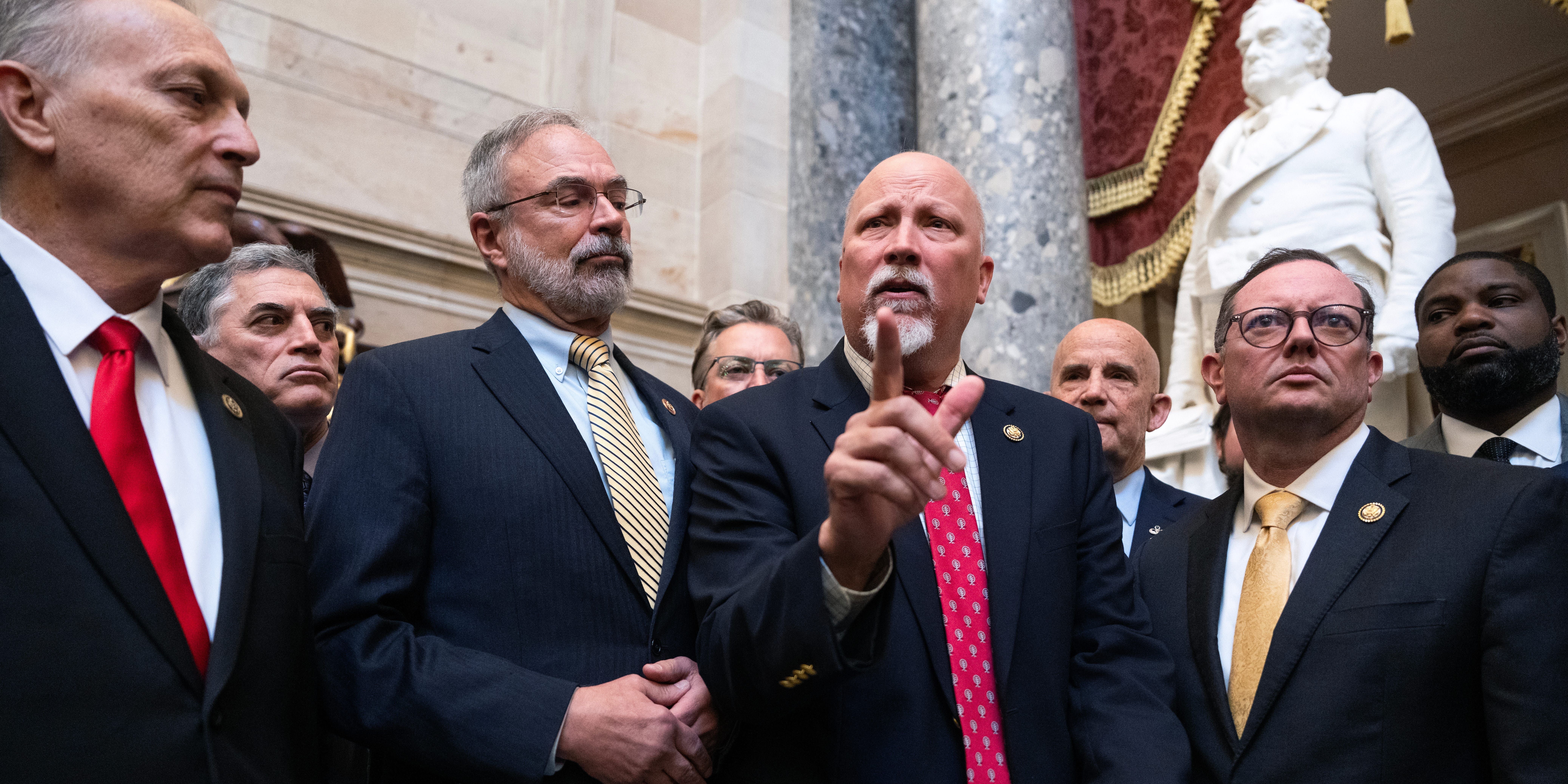
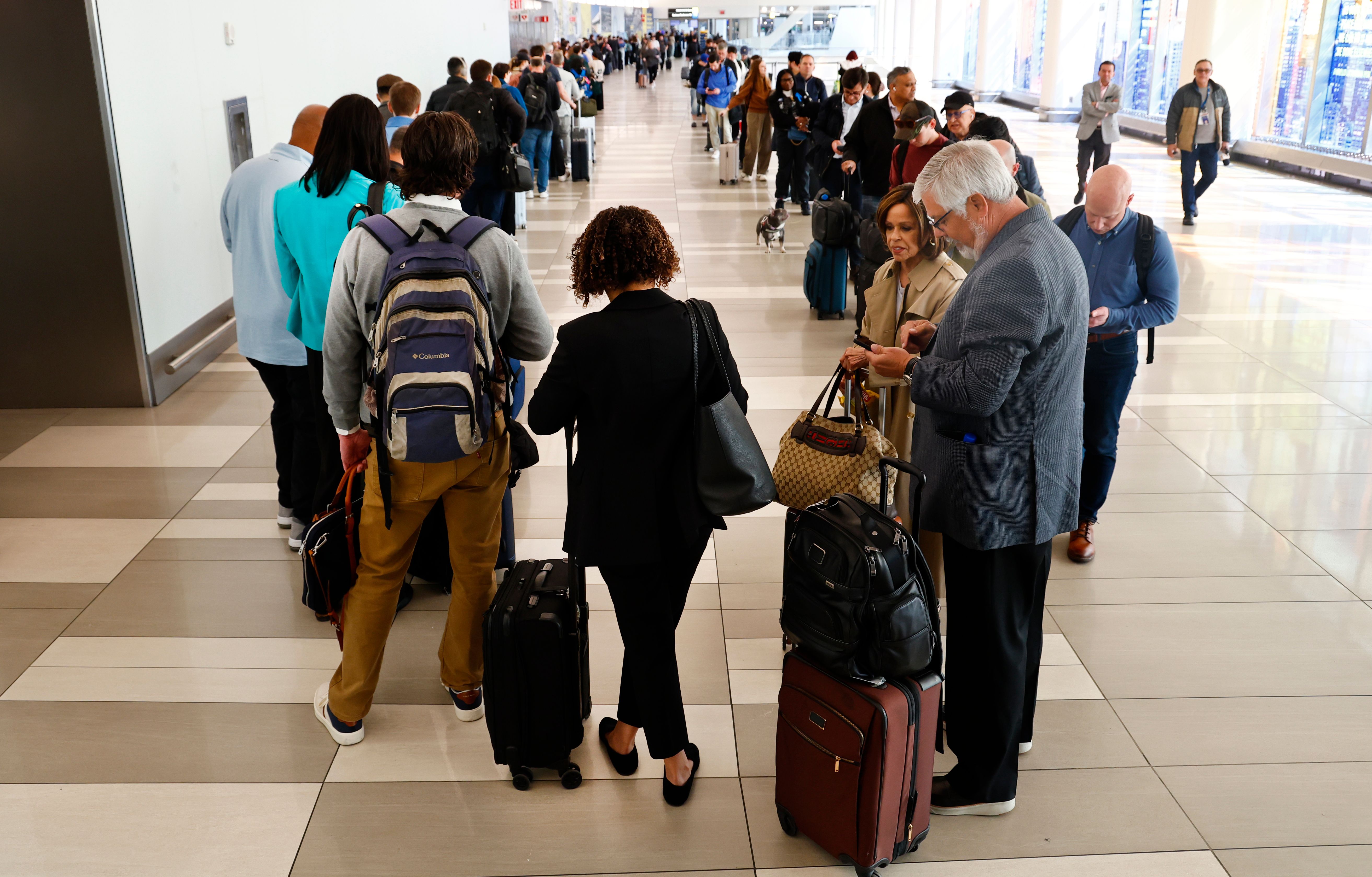
The Department of Homeland Security (DHS) faces a funding deadlock, prompting President Donald Trump to threaten the deployment of Immigration and Customs Enforcement (ICE) agents to U.S. airports. The proposed action, set to commence on Monday, March 23rd, is contingent upon Democrats' agreement to fund DHS without limitations on ICE operations. This move comes as the shutdown, initiated on February 14th, exacerbates delays and staffing shortages at airports, with at least 366 Transportation Security Administration (TSA) agents having resigned since the shutdown began.
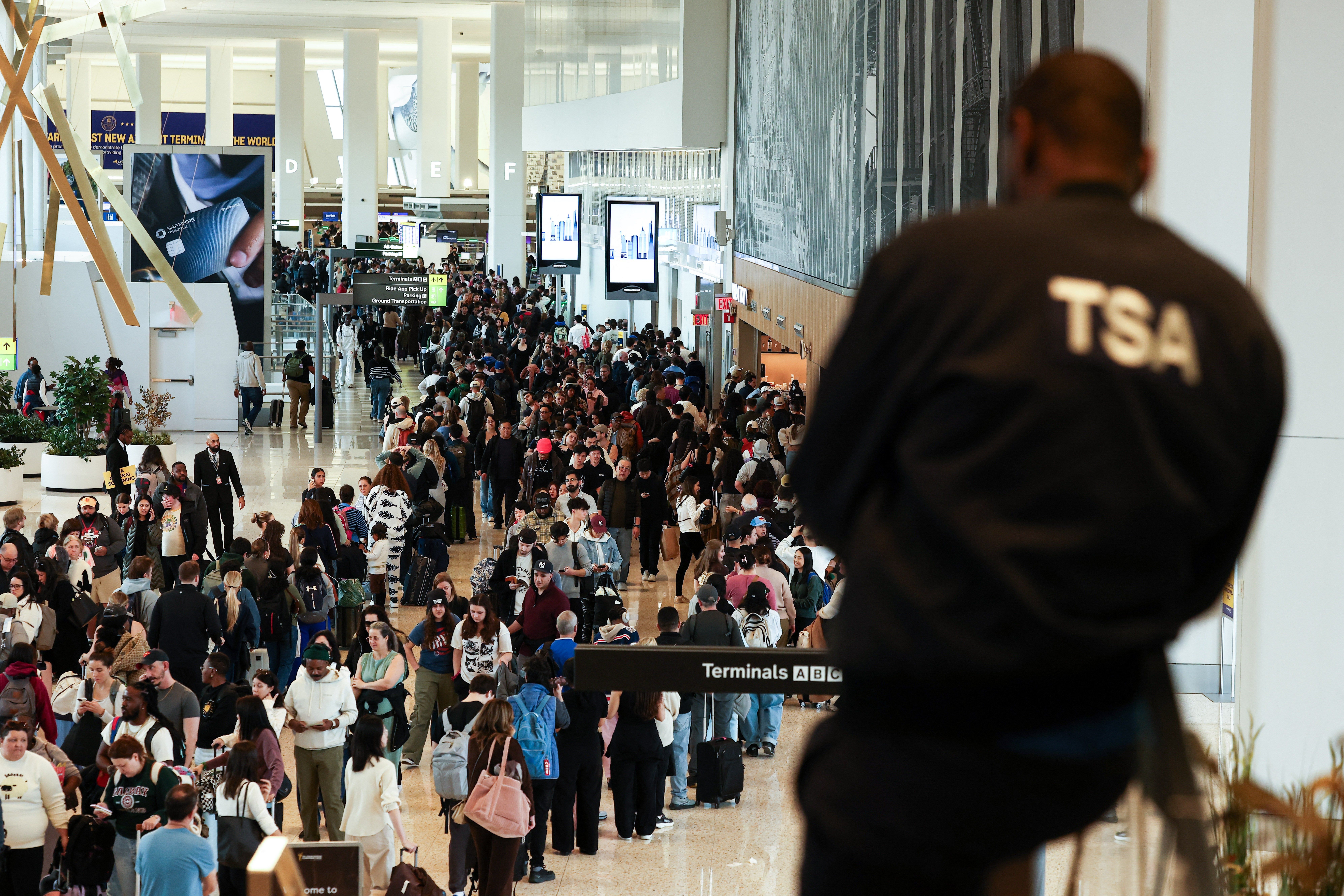
Democrats have repeatedly blocked DHS funding bills, with the current standoff marking the fifth such attempt since mid-February. Their stance prioritizes negotiations on immigration enforcement policies before allocating funds to ICE. Meanwhile, President Trump has publicly stated that ICE agents would assist TSA, not replace them, in handling airport security. However, reports indicate that ICE agents are not trained for the specific security screening operations conducted by TSA. The exact integration of ICE into existing airport workflows remains unclear.
Read More: DHS Funding Bill Signed, But ICE and CBP Face More Delays

Escalating Tensions and Democratic Rebuffs
The situation has intensified as the spring break travel season collays with the funding crisis, amplifying the pressure for a resolution. Democrats have sought to fund TSA independently, making at least eight attempts to pass standalone TSA funding bills via unanimous consent, all of which have reportedly failed. This strategy aims to address immediate airport chaos while deferring the more contentious immigration policy debates.

President Trump's pronouncements on social media, including threats to deploy ICE agents and later to sign an executive order to pay TSA agents, have become a focal point of the dispute. Democrats, in turn, plan to leverage these statements to argue that Trump bears responsibility for the ongoing shutdown and associated travel disruptions.

Shifting Positions and Unresolved Impasse
Amidst the escalating chaos, an "off-ramp" was reportedly discussed between President Trump and Senate Majority Leader John Thune. This proposed solution would fund the entirety of DHS, except for ICE, a concession aimed at appeasing Democratic demands for limitations on immigration enforcement. However, it appears this compromise did not secure Trump's full endorsement, as negotiations reportedly continued to stall.
Read More: Deportees trapped in Venezuela earthquake after June 24 flight
Despite Trump's pronouncements, the move to send ICE agents to airports appears to have failed to break the legislative impasse or significantly alleviate the long lines plaguing U.S. airports.' Democrats maintain their position, holding out for explicit restraints on immigration agents, while the broader debate over federal enforcement powers and immigration policy continues unabated. The long-term implications of this funding standoff on both national security operations and public confidence remain subjects of ongoing contention.
Background: A Shutdown Rooted in Policy Disputes
The partial government shutdown commenced when Democrats refused to fund the Department of Homeland Security, linking such funding to a reevaluation of DHS's immigration enforcement policies. This refusal has created a ripple effect, impacting various agencies within DHS, including both TSA and ICE. The TSA's role in airport security has been particularly affected, leading to increased wait times and financial hardship for its agents. The requirement for federally compliant identification for air travel, implemented nearly a year prior, further complicates the landscape, providing the federal government with enhanced visibility into the immigration status of air travelers.
Read More: DHS Payroll Crisis: Emergency Funds End April, May Paychecks at Risk