
Deisy Rivera Ortega, wife of U.S. Army Sergeant First Class Jose Serrano, was released from Immigration and Customs Enforcement (ICE) custody on Thursday, May 14, 2026. Her release concludes a month-long detention that began on April 14, when the couple attended a scheduled immigration appointment in El Paso, Texas.

The core tension rested on a procedural paradox: while Ortega held protected status under the UN Convention Against Torture—barring her return to El Salvador—federal agents reportedly explored the possibility of deporting her to Mexico, a country where she maintains no personal ties.

Political Intervention: The release followed direct pressure from congressional leadership, including a personal call from Senator Tammy Duckworth to Homeland Security Secretary Markwayne Mullin.
Administrative Status: Ortega had been seeking residency through the "Parole in Place" program, intended to support spouses of military personnel.
Personal Toll: Serrano, an Afghanistan war veteran, reported that his wife’s time in detention exacerbated existing medical conditions, specifically citing a traumatic brain injury and clinical depression.
Institutional Friction
The case marks the second instance in April 2026 involving the detention of a military spouse by ICE, exposing a recurring disconnect between military service support systems and federal immigration enforcement mechanisms.

| Actor | Action/Context |
|---|---|
| Jose Serrano | U.S. Army veteran; sought residency for his wife via official channels. |
| ICE | Detained the subject during an administrative check-in. |
| Markwayne Mullin | DHS Secretary; subject of high-level lobbying for release. |
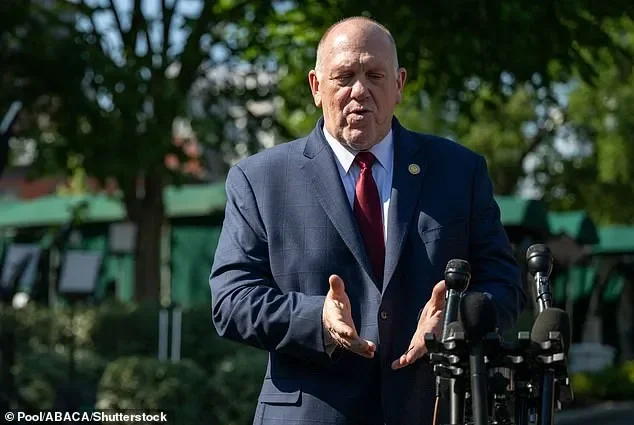
| Tom Homan | Border czar; signaled intent to review the case last week. |
Systemic Background
The situation reflects the complexities of Immigration Law when applied to military families. Although protections exist for those fleeing danger, administrative "detention" remains a standard tool for ICE even when deportation to a primary country of origin is legally restricted.
Read More: Deportees trapped in Venezuela earthquake after June 24 flight
The strategy of considering a "third country" for deportation represents an attempt by federal agencies to bypass the limitations imposed by the UN Convention Against Torture. By pursuing this path, the agency creates an asymmetrical situation where the soldier’s domestic service status clashes with rigid federal enforcement protocols. The resolution of this case appears to be an outcome of political visibility rather than an inherent change in policy toward military families facing deportation proceedings.