Immigration Enforcement Shifted to Airports Amid DHS Funding Impasse
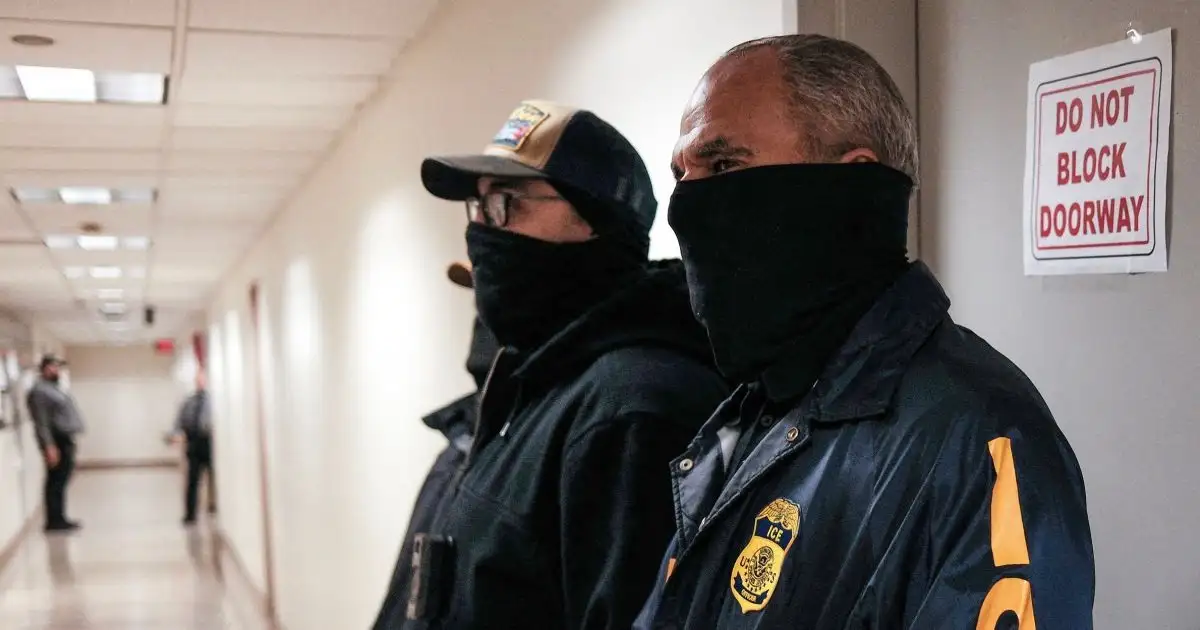
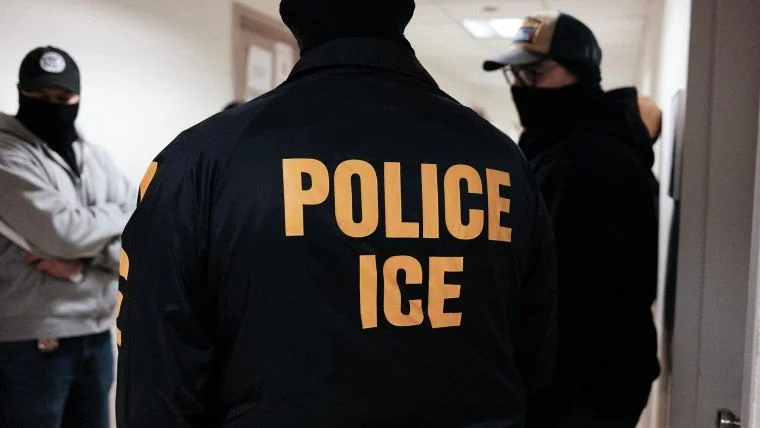
President Donald Trump declared Saturday he would dispatch Immigration and Customs Enforcement (ICE) agents to U.S. airports starting Monday, March 23, should Congress fail to reach an immediate agreement on funding the Department of Homeland Security (DHS). This declaration follows weeks of a partial government shutdown that has seen Transportation Security Administration (TSA) workers going without pay. The President specified that these ICE agents would not only bolster airport security but also focus on the "immediate arrest of all Illegal Immigrants who have come into our Country." Trump explicitly stated these agents would be deployed if "Radical Left Democrats" do not sign an agreement to make airports "FREE and SAFE again," suggesting a direct link between the funding dispute and his planned enforcement action.
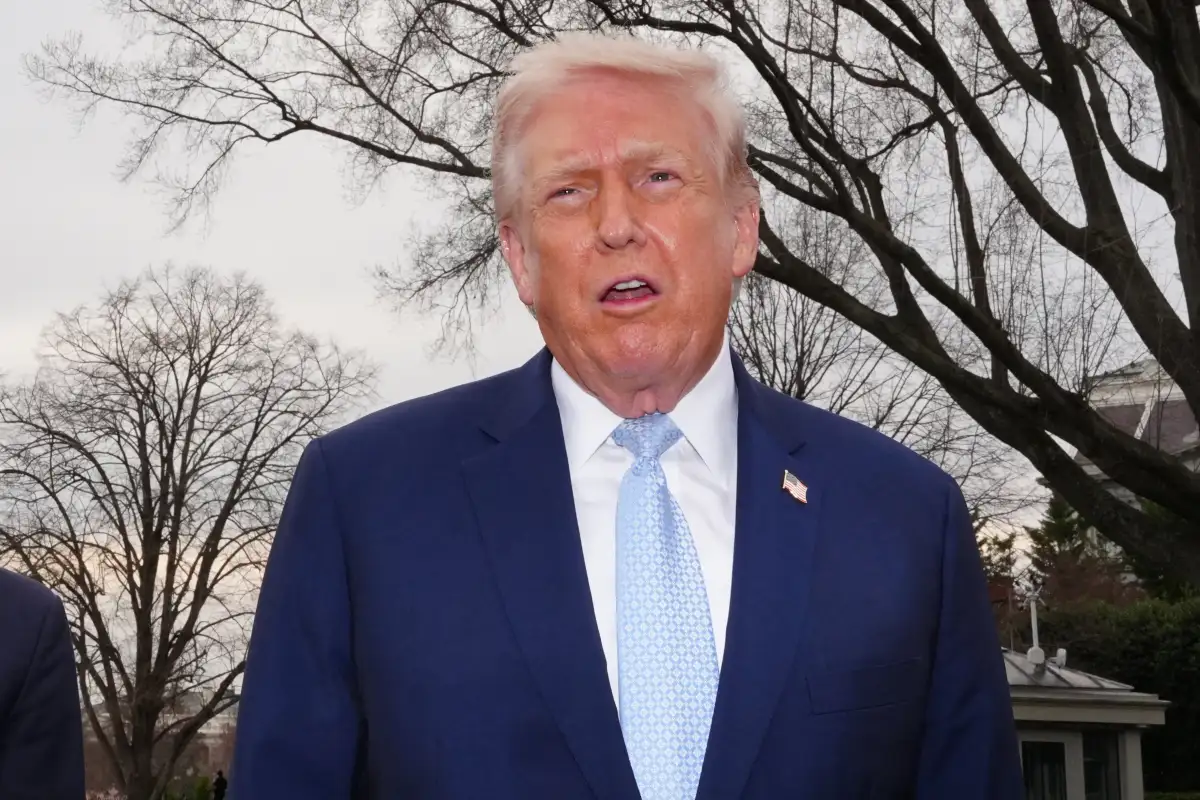
"If the Radical Left Democrats don’t immediately sign an agreement to let our Country, in particular, our Airports, be FREE and SAFE again, I will move our brilliant and patriotic ICE Agents to the Airports where they will do Security like no one has ever seen before!"
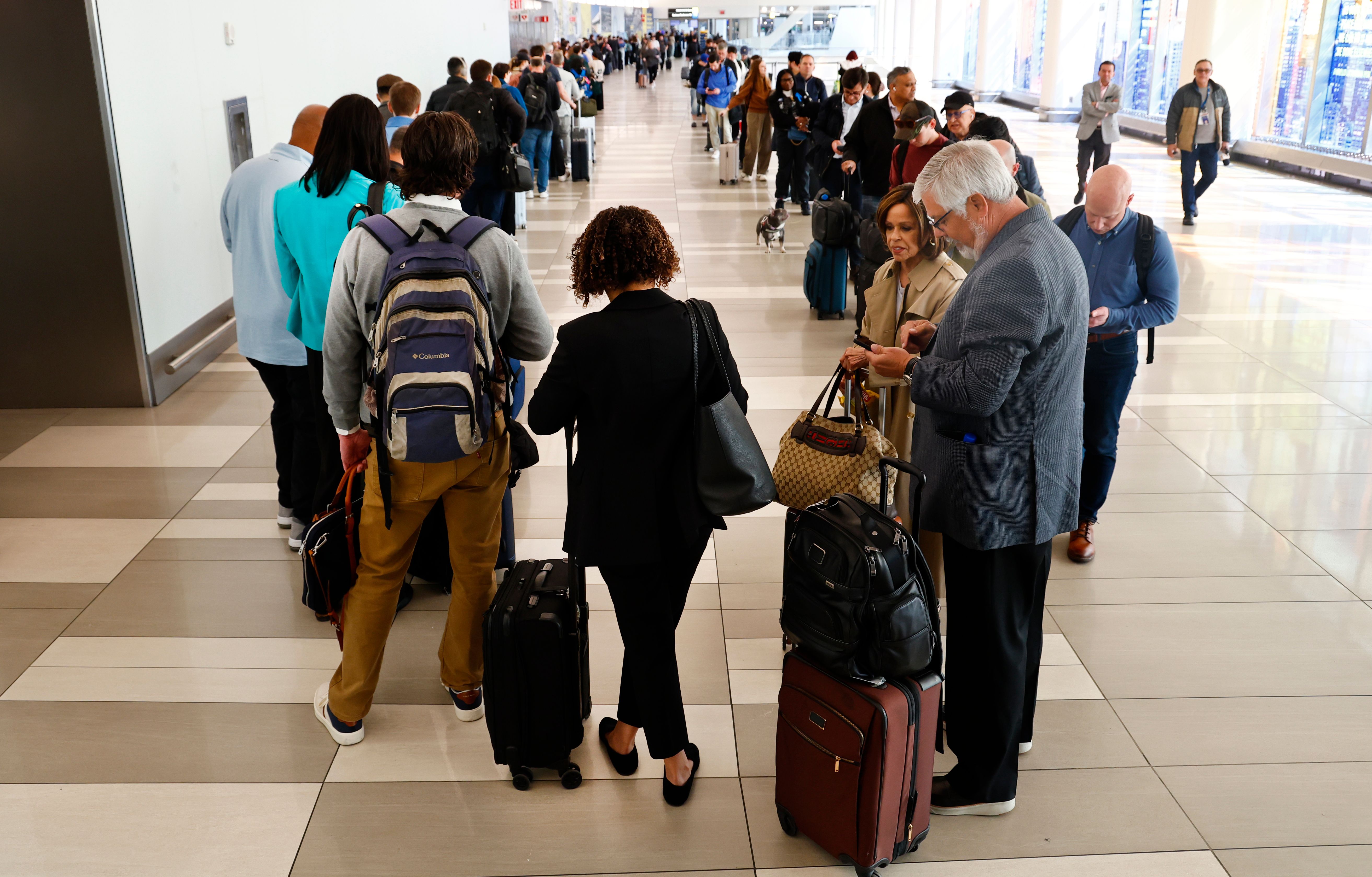
Democrats have voiced strong objections, with one Senator noting the ambiguity and unsuitability of ICE agents for airport screening duties, a task for which TSA personnel undergo months of specific training. The TSA has reported significant staff attrition, with hundreds of screeners quitting since the shutdown began on February 14. The situation has already led to mounting travel disruptions and long lines at airports across the nation.
Read More: Deportees trapped in Venezuela earthquake after June 24 flight
Escalation in a Funding Feud
The President's ultimatum arrives as congressional negotiations over DHS funding remain deeply fractured. Democrats have repeatedly blocked funding bills, insisting on changes to immigration enforcement policies before agreeing to allocate funds. Senate Republicans, meanwhile, have reportedly presented new proposals, but a bipartisan consensus remains elusive. This move by Trump represents a significant escalation, weaponizing the operational capabilities of federal agencies in the political arena of funding negotiations. The threat also comes as TSA workers face mounting financial strain, with missed paychecks becoming a stark reality.
Read More: DHS Funding Bill Signed, But ICE and CBP Face More Delays
Uncertain Roles and Reactions
The precise operational role ICE agents would assume at airports remains unclear, particularly given their distinct training and mandate compared to TSA screeners. While Trump claimed these agents would focus on arresting individuals in the U.S. illegally, with specific mention of targeting immigrants from Somalia, the logistical and legal framework for such actions within airport security zones is not explicitly defined. This has led to criticism from Democrats, who question the efficacy and legality of such a deployment.
Adding another layer to the unfolding situation, billionaire Elon Musk has reportedly offered to cover the salaries of TSA agents, a move that, if materialized, could further complicate the political dynamics and Trump's leverage. However, Musk has not yet responded to requests for comment on this potential intervention.
Background to the Standoff
The current crisis stems from a broader debate over federal enforcement powers and immigration policy. The partial government shutdown, which began in mid-February, was triggered by the refusal of Democrats to fund the DHS without concessions on immigration. Trump's administration, through this threat, appears to be pushing for a more assertive approach to border security and interior enforcement, leveraging the shutdown as a means to compel congressional action. The timing also coincides with evolving airport security requirements, such as the implementation of federally compliant identification for travelers, which grants federal authorities a more direct line of sight into passenger status.
Read More: New USCIS Case Status Tools Protect User Privacy on 7 April 2026