Home Depot is currently grappling with a sustained consumer boycott linked to public allegations of corporate collaboration with U.S. Immigration and Customs Enforcement (ICE). As of mid-May 2026, the retail chain continues to manage the fallout from protests that intensified in late 2025, specifically regarding worksite enforcement operations staged from company property in cities like Chicago and Charlotte.
Current Landscape of Institutional Conflict
The friction between the home improvement retailer and activist groups is defined by the following developments:
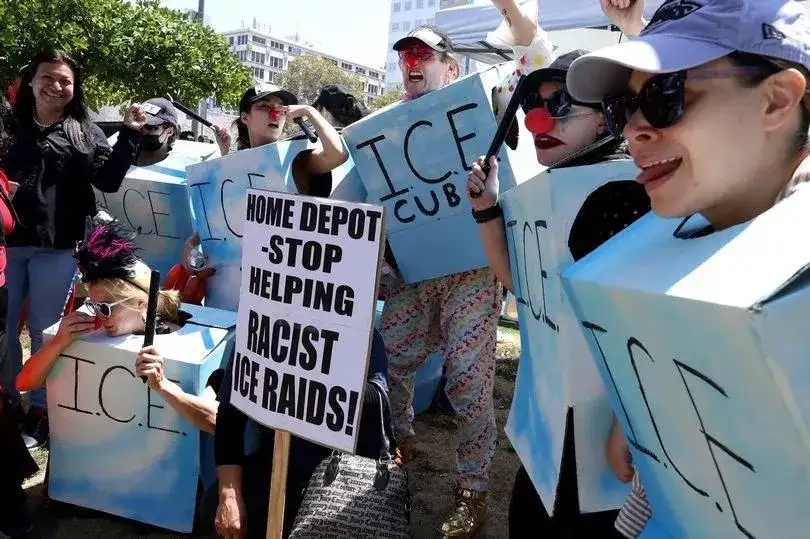
Operational Denial: Home Depot officially refuted claims of coordinating with ICE, specifically addressing social media reports that suggested agents utilized company parking lots for staging raids.
Targeted Activism: Demonstrations and organized consumer boycotts have occurred nationwide, with protesters demanding transparency regarding corporate involvement in federal immigration enforcement policies.
Political Dialogue: Reports indicate that company leadership met with figures such as Los Angeles Mayor Karen Bass to discuss the retailer’s positioning within the framework of ongoing federal immigration operations.
Economic Headwinds: Throughout the latter half of 2025, the company observed volatility in sales projections, exacerbated by a Corporate Boycott that gained momentum during the holiday shopping cycle.
| Factor | Status/Context |
|---|---|
| ICE Allegations | Denied by corporate; confirmed by activist groups |
| Primary Protest Sites | Chicago, Charlotte, Los Angeles |
| Primary Concern | Alleged Collaboration with federal agencies |
| Market Impact | Identified shift in customer behavior; stock performance volatility |
The Corporate Landscape Shift
The tension surrounding Home Depot functions as a proxy for a broader, irregular struggle within the American Retail Landscape. While the company attempted to mitigate public skepticism through statements addressing its political neutrality, the persistence of the boycott highlights a deep, fractured relationship between corporate entities and polarized consumer bases.
Prior to the 2025 autumn intensification, the retailer had already experienced friction regarding its internal social policies. In May 2025, the brand faced scrutiny following a Policy Rollback related to its Diversity, Equity, and Inclusion (DEI) initiatives. This suggests that the current boycott is not an isolated event, but part of a persistent trend of grassroots movements applying pressure to large-scale corporations over their perceived sociopolitical influence and operational ties.
Read More: Sephora shampoo recall April 2026 Oribe and Amika safety update
The current atmosphere suggests a market where neutral ground is increasingly difficult to occupy. As consumers align their purchasing power with specific political or humanitarian outcomes, the ability for national retailers to maintain traditional customer segments is increasingly precarious.