Voters have decisively ousted Prime Minister Viktor Orbán, ending his 16-year grip on power and ushering in a new political landscape with Péter Magyar at the helm. Magyar, a pro-European reformer, has promised a substantial shift away from Orbán's Russia-leaning policies and a restoration of ties with European partners. Orbán himself conceded defeat, acknowledging a "painful" outcome for his Fidesz party.
Magyar's Tisza Party is projected to command a significant majority, with estimates suggesting around 135 out of 199 parliamentary seats. This outcome was celebrated by tens of thousands, particularly younger Hungarians, as a signal for a more open, prosperous, and democratically aligned Hungary. The scale of Magyar's victory is seen by many as crucial for dismantling the structures Orbán put in place during his tenure, which included reshaping the judiciary and electoral system through a two-thirds parliamentary majority.
Read More: Eric Swalwell Drops California Governor Bid After Assault Claims
The Shifting Political Landscape
The election marks a stark departure from the political trajectory Orbán set over 16 years. His premiership was characterized by increasing alignment with Russia and significant strain on relations with the European Union. Magyar, who rapidly emerged as Orbán's primary challenger, leveraged insights from his past within the Fidesz party, coupled with public discontent over corruption allegations.
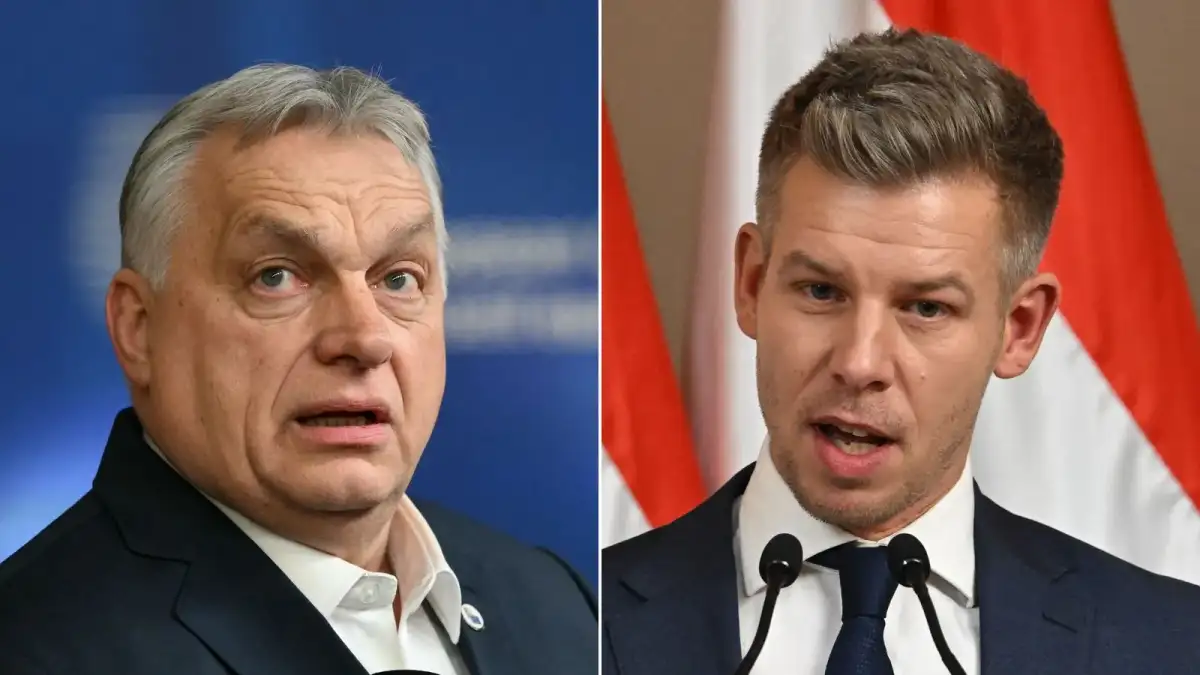
Prime Minister Viktor Orbán conceded defeat on Sunday, calling the result "painful." Péter Magyar, leader of the Tisza Party, announced that Orbán had contacted him to offer congratulations on his electoral victory.
The incoming administration faces the immediate task of navigating Hungary's relationship with Ukraine, a point of contention during Orbán's government. The anticipated easing of tensions between Budapest and Brussels is a key expectation following Magyar's win, as his pro-European conservative stance contrasts sharply with Orbán's more isolationist approach.
A New Leader's Ascent
Péter Magyar's rise has been described as rapid. Having grown up during Hungary's democratic transition, he reportedly once displayed a poster of Orbán, then a liberal figure, in his youth. His campaign successfully tapped into a desire for change, resonating with voters weary of Orbán's prolonged rule and perceived authoritarian tendencies. The outcome is viewed by many observers, both within Hungary and across Europe, as a significant development with broader geopolitical implications.
Read More: Hungary Election 2026: Orbán Out, Magyar's Tisza Party Wins Big
The electoral results have brought a sense of jubilation to the streets of Budapest, with many seeing Magyar's win as a beacon of hope for a more democratic and integrated Hungary within the European fold. The extent to which Magyar can enact fundamental changes to the system Orbán established remains a central question moving forward.