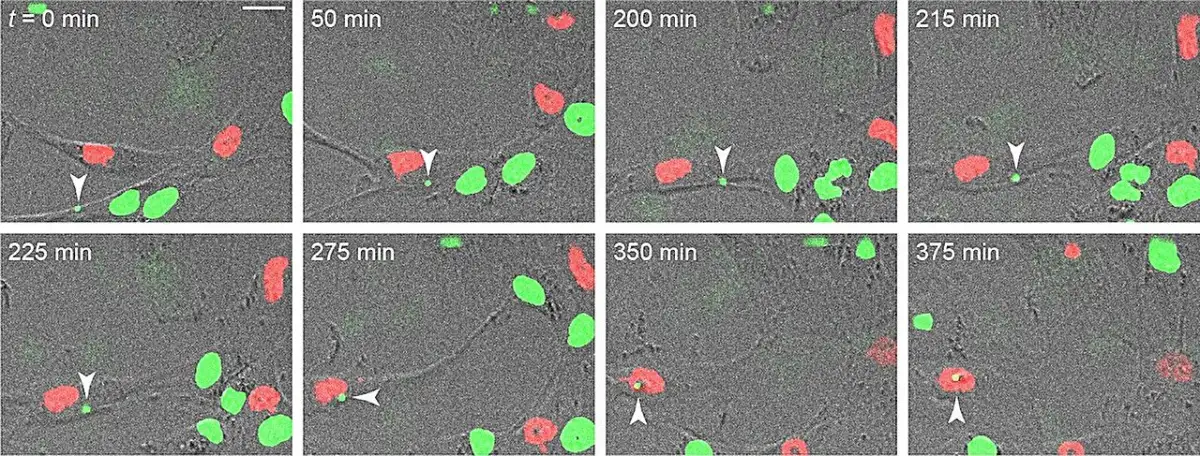
Current research indicates that human cells do not maintain a static genomic state, but rather exchange genomic DNA to fundamentally alter cellular function. This mechanism, once considered an anomaly restricted to bacterial horizontal gene transfer, suggests that the human body functions as a dynamic, interconnected system rather than a collection of isolated biological units.
| Feature | Traditional View | Observed Reality |
|---|---|---|
| Genomic Integrity | Fixed, isolated libraries | Fluid, exchangeable data |
| Cell Identity | Programmed at inception | Adaptive through environmental input |
| Structural State | Static chromatin states | Responsive to mechanical stimuli |
The Mechanism of Cellular Exchange
New findings suggest that cells communicate by sharing genetic information, which effectively acts as a recalibration tool for cell behavior. This shift challenges the dogma that genetic instructions are locked within individual cells. By exchanging these "blueprints," cells appear to gain the ability to adapt to stressors, adjust to environmental stiffness, and respond to the physical properties of their surroundings through Mechanoenhancers.
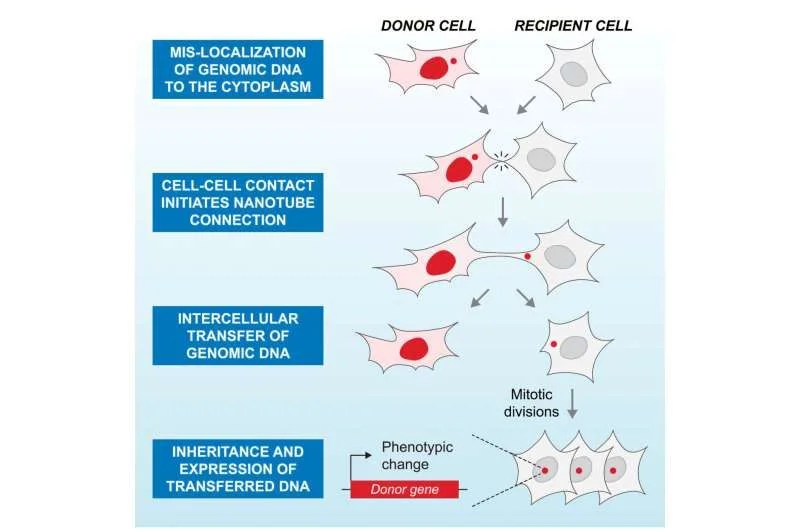
Cells interpret mechanical signals to adjust their Gene Expression profiles.
Chromatin Organization acts as a computational memory system, storing information similarly to programmed systems.
Genetic transfer serves as a mechanism for both health maintenance and potential pathological deviation.
Structural Memory and Environmental Sensitivity
Research led by figures such as Dr. Luay Almassalha emphasizes that the genome is not merely a blueprint but an active participant in biological learning. The way DNA is packaged—once categorized into simple binary states of "on" or "off"—is now viewed as a complex, malleable structure that responds to the cell’s Mechanical Environment.
Read More: Cell Membrane Clusters Grow By Internal Movement, Study Says
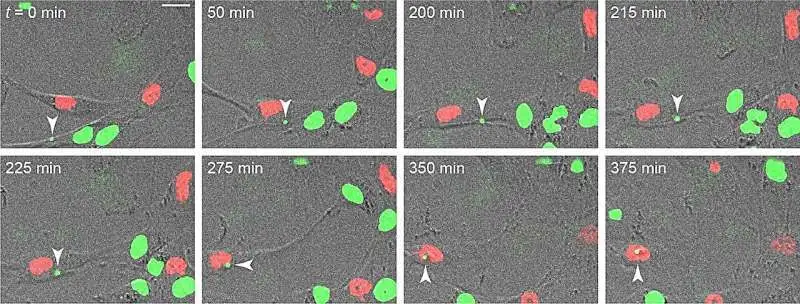
"The genome of every human cell continuously learns new cell memories like how we program AI systems," notes Dr. Almassalha.
Investigative Context: From Bacterial Precedents to Human Biology
The concept of Horizontal Gene Transfer has been studied extensively in microbial populations, primarily regarding antibiotic resistance and inter-species adaptation. The identification of similar processes in human tissue shifts the focus toward the implications of such exchanges in regenerative medicine and disease.
If researchers can master the manipulation of these genomic interactions, the potential to "reprogram" damaged tissues or bolster immune responses becomes a technical possibility rather than a theoretical abstraction. However, this plasticity raises questions regarding the stability of human genetic identity and the long-term consequences of inter-cellular genomic flux.