HOUSE REMAINS IN SESSION AMID ESCALATING MIDDLE EAST SITUATION
Democrats are pushing House Speaker Mike Johnson to keep lawmakers in Washington, D.C., citing an "rapidly developing" situation involving Iran and a heightened threat environment. The call for the House to remain in session comes as Democrats seek to convene relevant committees and address national security concerns. This move by Democrats is framed as a response to the "escalating Middle East situation" and a perceived lack of clear congressional oversight on actions taken by the administration.
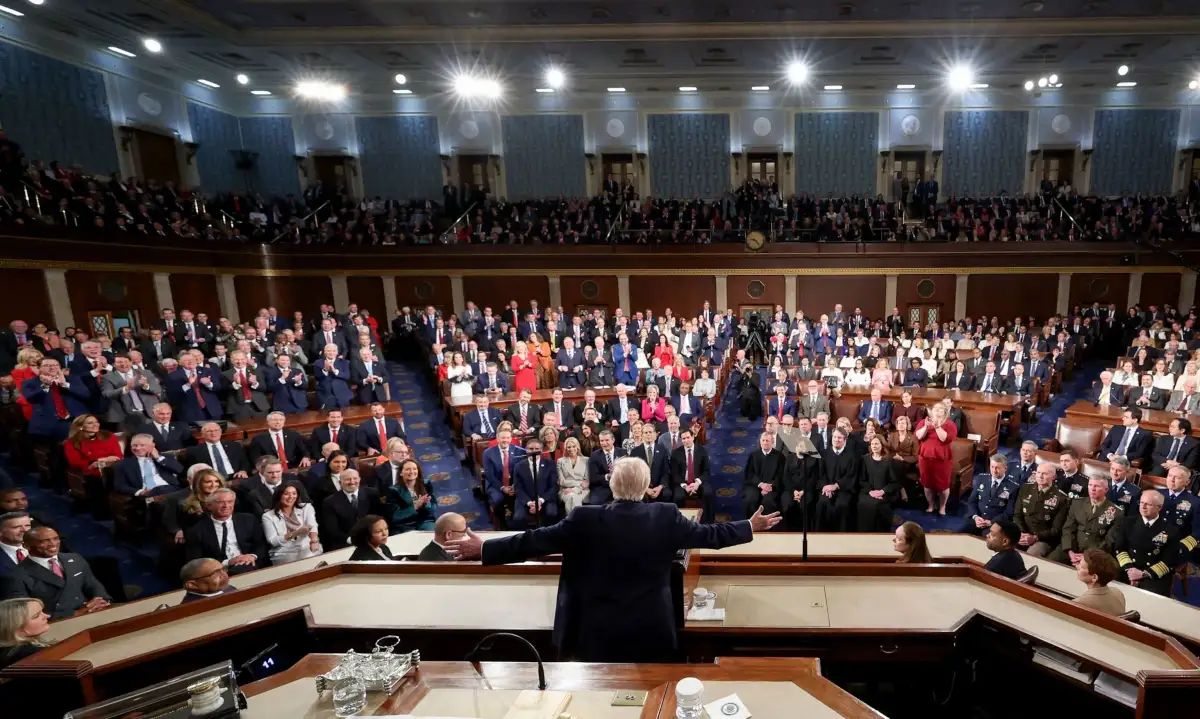
All but four House Democrats voted against a recent bill. This bloc is now urging Johnson to keep the chamber in session and encourage committee meetings. Their actions suggest a deep unease with the current approach to the Iranian operation and a desire for more direct congressional involvement in matters of national security.
Read More: Taiwan Holds Nantou County Drills to Prepare for State Collapse
REPUBLICANS ACCUSE DEMOCRATS OF POLITICAL GAMING
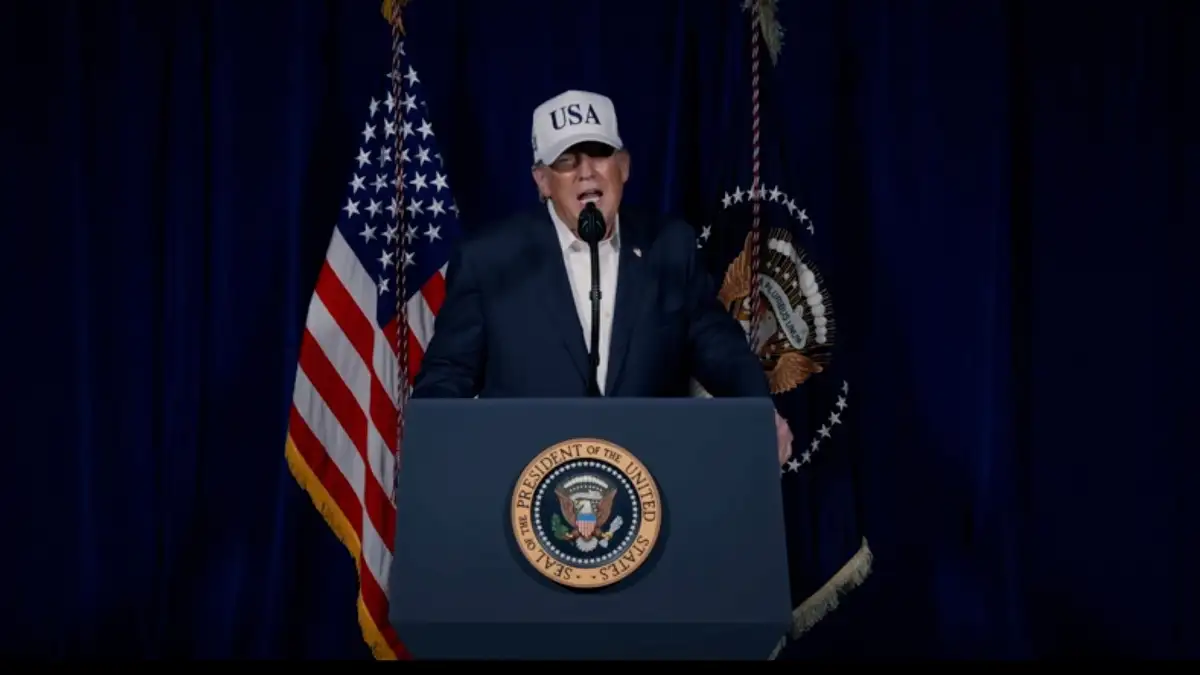
Republicans are countering the Democratic pressure by accusing their counterparts of engaging in political maneuvers. The GOP narrative suggests that Democrats are using the national security context for partisan advantage. This counter-accusation highlights a significant division within Congress regarding the handling of the Iran operation and its implications.

Democrats have publicly criticized the administration, alleging a push into a new Middle East conflict without a defined endpoint and a disregard for Congress's constitutional authority over war powers. This sentiment fuels their demand for greater congressional involvement and oversight.
DHS FUNDING TIED TO IRAN RESPONSE
Meanwhile, House Republicans are prioritizing a vote on funding for the Department of Homeland Security (DHS). Speaker Johnson has indicated that the DHS funding bill will largely mirror previous versions that passed the House but stalled in the Senate. This legislative maneuver is being presented as a way to leverage the fallout from recent U.S. strikes on Iran, aiming to break the legislative impasse and end a partial government shutdown.
Read More: House Votes to Limit President's War Power on Iran
One Republican source indicated that placing the DHS bill on the floor demonstrates the GOP's "offensive" strategy. The plan is to put Democrats on record regarding DHS funding, using the potential repercussions from the Iran strikes as leverage. A faction within the Republican conference reportedly seeks increased pressure on the Senate for action on multiple fronts, including the SAVE America Act.
DIVIDED REPUBLICAN SENTIMENT ON WAR POWERS
While many Republicans have largely supported recent U.S. and Israeli strikes on Iran, a segment within the party has expressed opposition on constitutional grounds. The focus on war powers resolutions has resurfaced, with calls for legislative bodies to return to Washington.
Last year, similar votes on war powers resolutions were narrowly defeated in both chambers of Congress following joint U.S.-Israeli strikes against Iran. This history indicates a recurring tension between executive action and congressional prerogative in matters of foreign conflict.
Read More: FBI Analysts Review Georgia 2020 Election Data in Fulton County