METICULOUS FINANCING FUELS MASSIVE EXPANSION AMIDST CONCENTRATED REVENUE
CoreWeave is charting a course of extreme capital expenditure, aiming to construct an enormous compute infrastructure to meet the insatiable demand of the artificial intelligence era. This ambition, however, is built upon a precarious foundation: nearly two-thirds of its guaranteed revenue is tied to just two clients: Meta Platforms and OpenAI.
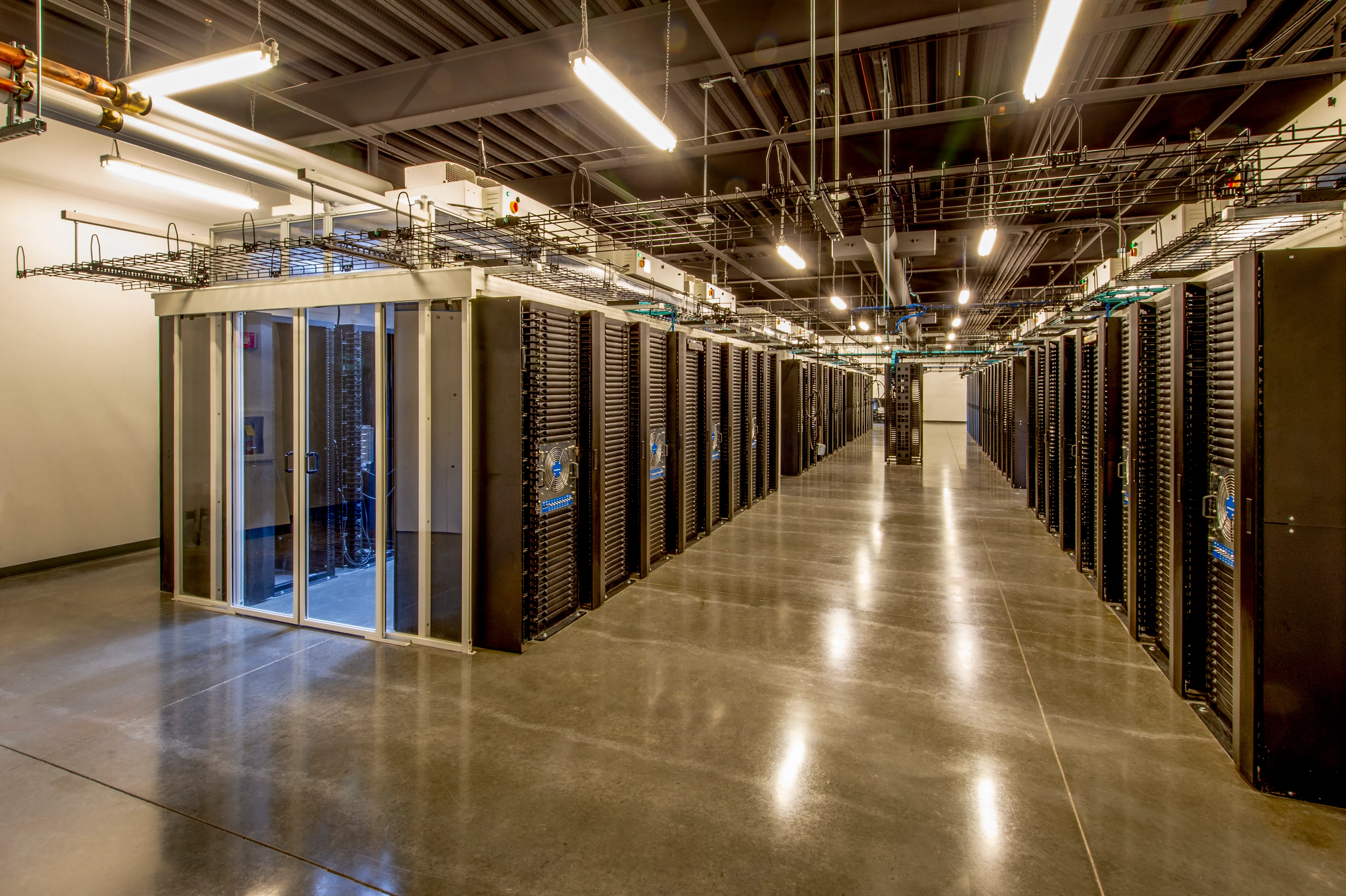
The sheer scale of CoreWeave's planned build-out, a colossal 2.25 gigawatts of contracted but unused power, signals a monumental financial undertaking. Estimates, predicated on the assumption of continued reliance on Nvidia hardware, suggest a staggering requirement of approximately $113 billion. This figure is derived from Nvidia's own valuation of power infrastructure at $50 billion per gigawatt. The potential returns, while substantial, are speculative, with projected rental income ranging from perhaps 4x to 5x the build-out cost over several years when dealing with major cloud providers, and possibly half that amount from niche "neocloud" providers specifically targeting AI.
Read More: Nintendo Switch 2 Sales Near 20 Million, Future Sales Forecast Lowered
META'S STRATEGIC BET
Adding a significant new layer to this financial tapestry, Meta Platforms has recently committed another $21 billion to CoreWeave, augmenting its previous AI cloud expenditures to a total of $35 billion. This substantial investment underscores Meta's strategy to secure dedicated infrastructure, particularly for inference – the process of running AI models – across its vast network of platforms like Facebook, Instagram, and WhatsApp.
This latest deal with Meta is specifically structured around "inference" workloads, not "training," and will see early deployments of Nvidia's Vera Rubin platform. The move indicates Meta's pursuit of a diversified, multi-vendor infrastructure strategy, aimed at achieving both flexibility and redundancy at the hyperscale level required for its services.

OPERATIONAL COMPLEXITY AND INVESTOR ANXIETY
CoreWeave's operational model is characterized by a flexible, albeit complex, pricing structure. Customers are billed separately for GPU, CPU, RAM, and storage, requiring intricate calculations to manage AI costs. The absence of publicly listed pricing plans and no free trials or versions means transparency can be a challenge for potential clients exploring alternatives such as OVH Dedicated Servers or DigitalOcean.
Read More: Citigroup CEO Jane Fraser Pushes for Faster Work Culture
Despite surging revenue, investors are reportedly scrutinizing CoreWeave's financial health. The company's heavy reliance on a small cohort of major clients raises questions about its ability to cultivate a more diversified and durable customer base. This dependence is a critical factor for investors anticipating the company's upcoming earnings reports, as progress in customer diversification is seen as a key indicator of long-term viability.

BACKGROUND
CoreWeave established itself as a cloud infrastructure provider specializing in GPU-accelerated computing, directly catering to the burgeoning demands of AI workloads. Its platform is designed to handle high-performance computing interconnects crucial for most GPU applications. The company's trajectory has been significantly influenced by the explosive growth in AI, a factor compounded by its notable dependence on Nvidia and potential geopolitical risks associated with the supply chain.
The sheer magnitude of CoreWeave's infrastructure ambitions necessitates a level of financial engineering that rivals its datacenter design expertise. The company's strategic maneuverings, particularly its high-stakes reliance on major clients like Meta and OpenAI, represent a bold gamble in the rapidly evolving landscape of AI compute.
Read More: Canvas LMS Down Worldwide After Ransomware Attack