First Quarter Sees 58% Profit Surge, Exceeding Expectations
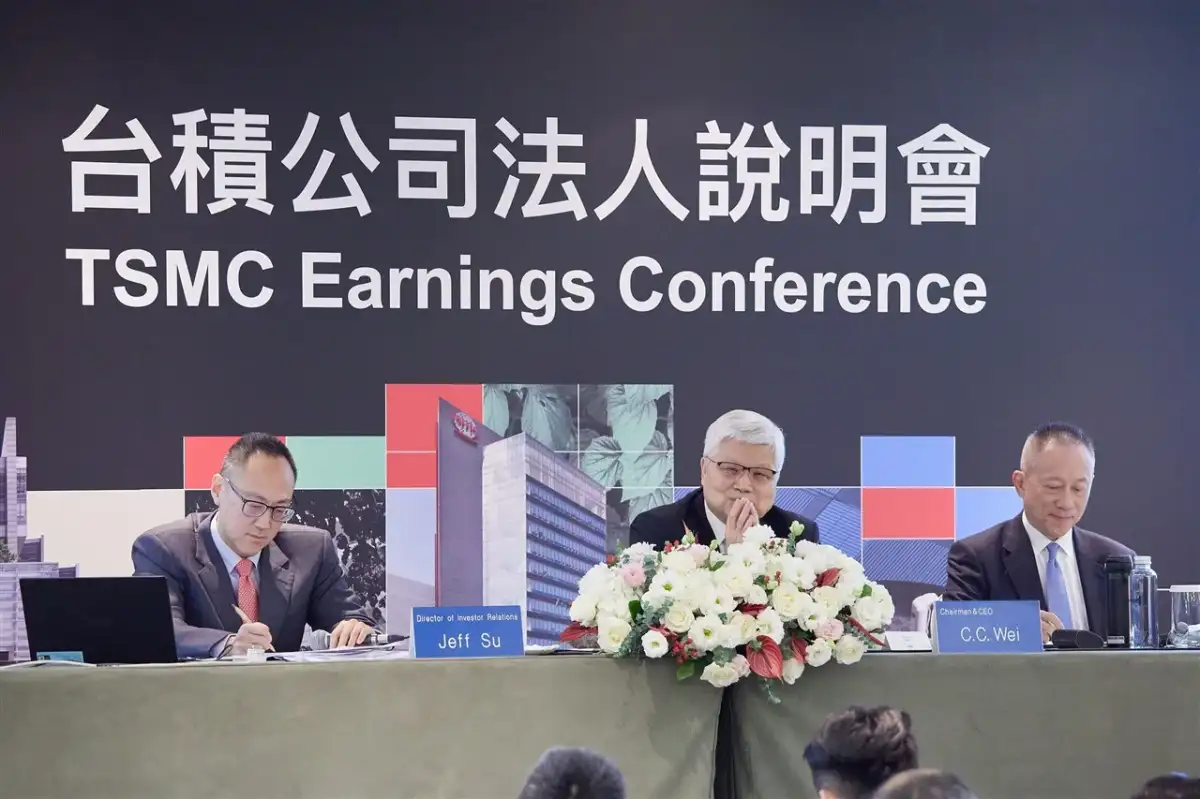
Taiwan Semiconductor Manufacturing Co. (TSMC) reported a substantial 58% increase in first-quarter profit, a figure that surpassed market estimates. This surge is directly tied to the unrelenting demand for chips powering artificial intelligence applications. The company's executives pointed to advances in AI as a primary driver, fueling increased computation and, consequently, a greater need for its advanced manufacturing capabilities.
The company's manufacturing capacity for AI chips is reportedly stretched to its limits. TSMC acknowledged that it is expanding its advanced chip fabrication facilities in Tainan, Taiwan, as part of a broader global capacity enhancement strategy. Executives also stated they anticipate no immediate disruption to operations from recent energy and supply chain disturbances linked to Middle East conflicts. Customer feedback remains strong, reinforcing TSMC's conviction in a multi-year growth trajectory for AI-driven demand.
Read More: CoreWeave gets $21 billion from Meta for AI

Revenue Reaches Record Highs on AI's Back
TSMC’s revenue for the first quarter jumped 35% to a new record high, underscoring the sustained strength of the AI chip market. This growth trajectory has led the company to raise its 2026 revenue outlook, projecting growth of over 30% for the year, an upward revision from previous, more conservative guidance. Capital expenditures are also expected to trend towards the higher end of the previously announced $56 billion forecast, signaling confidence in the year's economic prospects and the sustained demand.
The chipmaker's dominance in producing cutting-edge semiconductors makes it a near-irreplaceable entity in the global AI supply chain. Major AI chip designers, including Nvidia, Apple, and AMD, rely on TSMC's fabrication services. This symbiotic relationship places TSMC at the nexus of significant investments in AI infrastructure and data center expansion.

April Revenue Shows Resilience, Nuanced Monthly Fluctuations
Recent figures indicate TSMC's April revenue saw a 17.5% year-over-year increase. However, there was a slight sequential dip of 1.1% compared to March, a phenomenon attributed to a high base effect from the previous month. Despite this month-on-month softening, the cumulative data suggests the overall robust growth momentum for the year remains intact. Projections for May and June anticipate revenue figures that could challenge historical monthly highs, further buttressing the foundation for sustained annual growth. Analysts emphasize that cumulative revenue offers a more accurate reflection of the company's operational health than single-month variations, particularly against the backdrop of escalating AI chip demand.
Read More: Citigroup CEO Jane Fraser Pushes for Faster Work Culture
Broader Market Context and Emerging Pressures
TSMC's pivotal role extends to supplying chips for a range of technology sectors, including high-performance computing and next-generation smartphone processors. The company's manufacturing prowess, especially in 3-nanometer chip architecture and specialized packaging for AI acceleration, is critical.
While TSMC benefits immensely from the AI spending boom, there are also underlying risks. A potential slowdown in AI chip demand, especially after significant capacity buildouts, could pose challenges. The company's customer base includes major players like Intel and Samsung, introducing a complex market dynamic.
Read More: Nintendo Switch 2 Sales Near 20 Million, Future Sales Forecast Lowered
Furthermore, the need for increasingly smaller and more efficient chips is paramount for training complex AI models, a segment where TSMC maintains a significant technological advantage. Investors are also observing related industry players, such as ASML, a Dutch company whose machinery is essential for advanced chip production. This dynamic places TSMC in a position of both significant power and considerable pressure within the global technology landscape.