

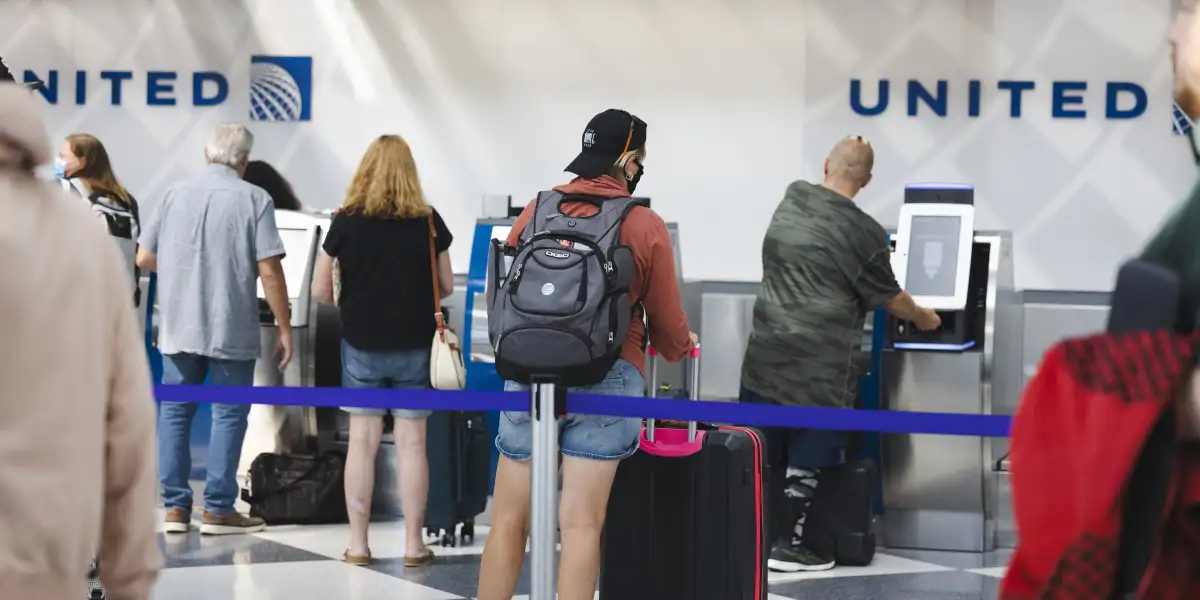
United Airlines has increased checked bag fees by $10 for domestic and regional routes, effective for tickets purchased on or after April 3. Passengers checking a first bag will now pay $45, while a second bag incurs a $55 fee. An additional $5 penalty applies to bags processed less than 24 hours before departure.
This shift marks the first such increase in two years, signaling a tactical pass-through of rising operational costs to the consumer base.
| Service | New Fee (Domestic/Regional) |
|---|---|
| First Checked Bag | $45 |
| Second Checked Bag | $55 |
| Last-Minute Check-in | +$5 |
Exemption Tiers
The structure maintains specific exemptions to protect loyalty revenue and corporate incentives. Passengers in the following categories retain free baggage privileges:

Elite Status: MileagePlus Premier members.
Financial Partners: Holders of co-branded United Chase credit cards.
Service/Premium: Active military personnel and travelers in premium cabin classes.
Structural Causality
The move follows a similar adjustment by JetBlue, establishing a pattern of industry-wide fee escalation. The primary driver is the rapid ascent of jet fuel prices—a consequence of the ongoing conflict involving Iran, which has pushed crude oil markets into a state of high fluctuation.
Read More: Margaret River Named World's Best Wine Place
Unlike international counterparts who often utilize hedging strategies to insulate their balance sheets from commodity volatility, U.S. carriers generally remain unhedged. This leaves them uniquely exposed to crude oil price swings. For the aviation sector, where fuel consistently ranks as the second-highest expense after labor, the surge represents a direct hit to operating margins.
Industry Trajectory
While United and JetBlue have moved to absorb the price shock by offloading it to the passenger, other major players—including American Airlines, Delta Air Lines, Southwest, and Frontier—have not yet mirrored these increases. Whether these entities absorb the cost or follow suit depends on their internal fuel exposure and the resilience of current travel demand, which industry sources describe as remaining historically high despite the pricing pressures.
This environment occurs alongside broader structural shifts in aviation, including proposed plans to move toward privatized airport security, adding layers of uncertainty to the future cost and operation of domestic travel.
Read More: Belagavi and Goa Forests Closed Until Monsoon Ends


