Shifting Sands in the Labor Market Discourse
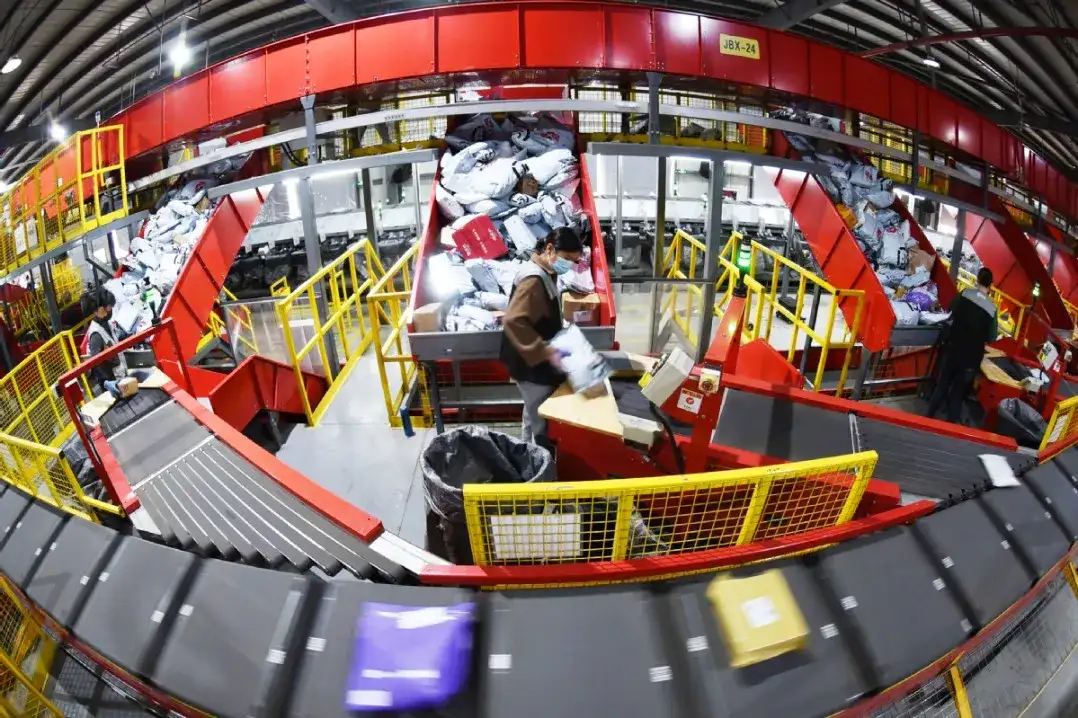
Initial dismissal of artificial intelligence as a significant job market disruptor appears to be waning, replaced by a more urgent recognition of its accelerating capabilities. New analyses suggest that the very definition of human skills is being reshaped, with even traditionally overlooked blue-collar sectors facing automation risks. While AI can mimic technical output, the absence of accountability and nuanced contextual understanding in high-stakes decisions remains a human-centric advantage. Yet, organizations report that sophisticated AI tools can augment junior staff to produce work previously requiring mid-level experience.
The Evolving Narrative: From 'Zero' to 'Uncertainty'
Previously, the impact of artificial intelligence on the workforce was downplayed, with job declines attributed more to broader economic uncertainty than AI itself. Some studies indicate a disproportionate effect on younger workers, with mid-career employees showing less impact. This period also saw advice encouraging individuals to explore AI training and tools to stay relevant, particularly within the tech industry where layoffs were more directly linked to AI adoption.
Read More: Chrome mimeHandler API lets extensions handle file types

The Spectre of Devaluation and Precariousness
Beyond outright job replacement, a more insidious risk emerges: the devaluation of skills. Economists warn that once-valuable proficiencies could become less pertinent, potentially shrinking paychecks and exacerbating inequality. The conversation is shifting towards adaptability, creativity, and the capacity to collaborate with AI tools, rather than solely technical specialization.

Furthermore, the disruption extends beyond employment, touching upon an individual's sense of purpose, identity, and social belonging. The psychological repercussions of AI-driven unemployment, on a global and accelerated scale, represent an "overlooked global risk" and a potential "blind spot" in risk planning.

The Transformation Imperative
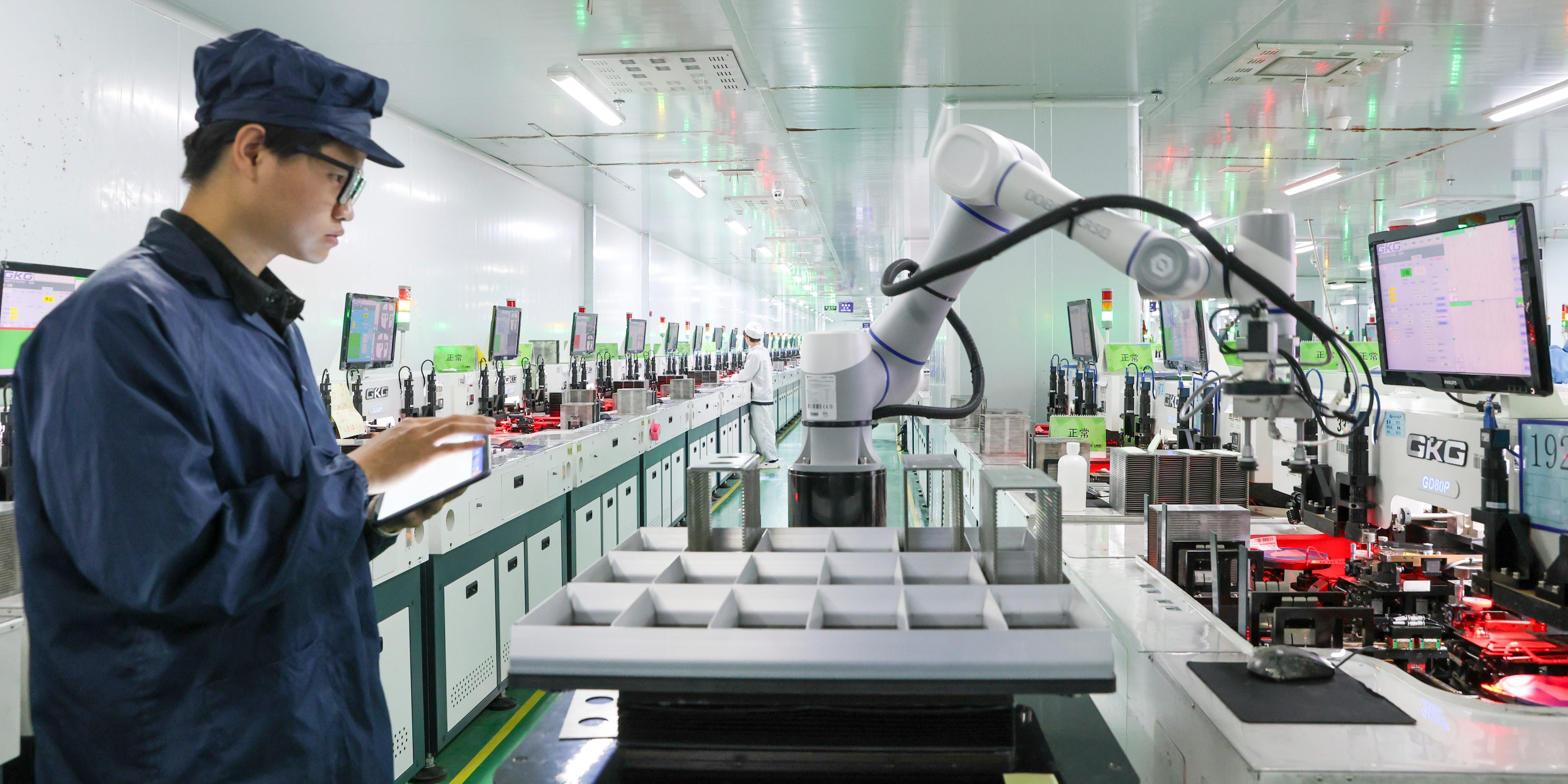
The immediate threat may not be mass unemployment but rather a pervasive transformation of job roles. One in four jobs globally is identified as potentially exposed to Generative AI. In high-income nations, this figure rises significantly, while lower-income countries, though exhibiting lower exposure percentages, are not necessarily at lower risk. The focus, therefore, increasingly leans towards adapting job descriptions and operational frameworks to incorporate AI, rather than outright elimination of human roles.
Read More: Goldman Sachs predicts 15 million US jobs lost to AI by 2036
The "AI Precariat" and the Unaddressed Psychological Toll
The rise of an "AI precariat" – individuals caught in precarious employment situations due to AI disruption – presents a significant, yet largely unaddressed, global risk. This phenomenon risks replicating dynamics of identity crisis and social fragmentation seen in past technological shifts, but at an unprecedented pace and scale.
A Call for Proactive Safety Nets
In light of these emerging concerns, there are growing calls for the development of safety nets to manage potential AI-driven job displacement. This proactive approach aims to address the potential economic fallout and the widening wealth gap before a crisis fully materializes, as the future trajectory and speed of AI-related job disruption remain subjects of intense speculation and concern.
Contextualizing the Shift
The discourse surrounding AI's impact on employment has undergone a marked evolution. Initial research often minimized the immediate threat, attributing labor market fluctuations to other economic factors. However, as AI capabilities continue their rapid ascent, a more sober assessment of its potential to automate tasks and alter the very nature of work is taking hold among economists and labor market analysts. The emphasis is now on understanding how work will change, not just if jobs will disappear.
Read More: BEREC Asks for Mobile Network API Ideas from Developers