Hisense has launched its UR9 series, a new line of televisions featuring RGB Mini-LED technology. This marks a significant shift from traditional Mini-LED displays, which typically use blue LEDs filtered through red and green layers to produce color. The UR9, however, employs independent red, green, and blue diodes within each LED. This fundamental change promises enhanced color purity, brightness, and potentially wider viewing angles, positioning the UR9 as a direct competitor to established OLED technology.

The new technology is described as a "next-generation evolution" of Mini-LED. By ditching filters, the UR9's RGB Mini-LED system offers unprecedented control over color and brightness. Early impressions suggest the picture quality is "quite impressive," with the potential for richer colors and a brighter picture than ever before.
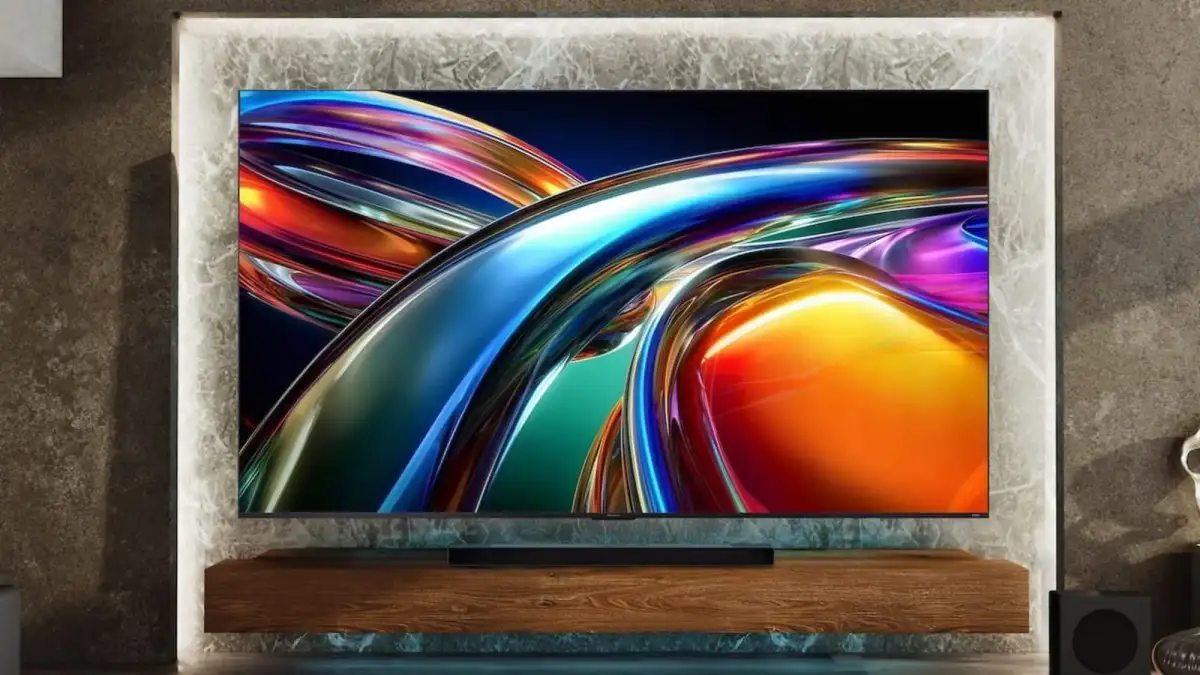
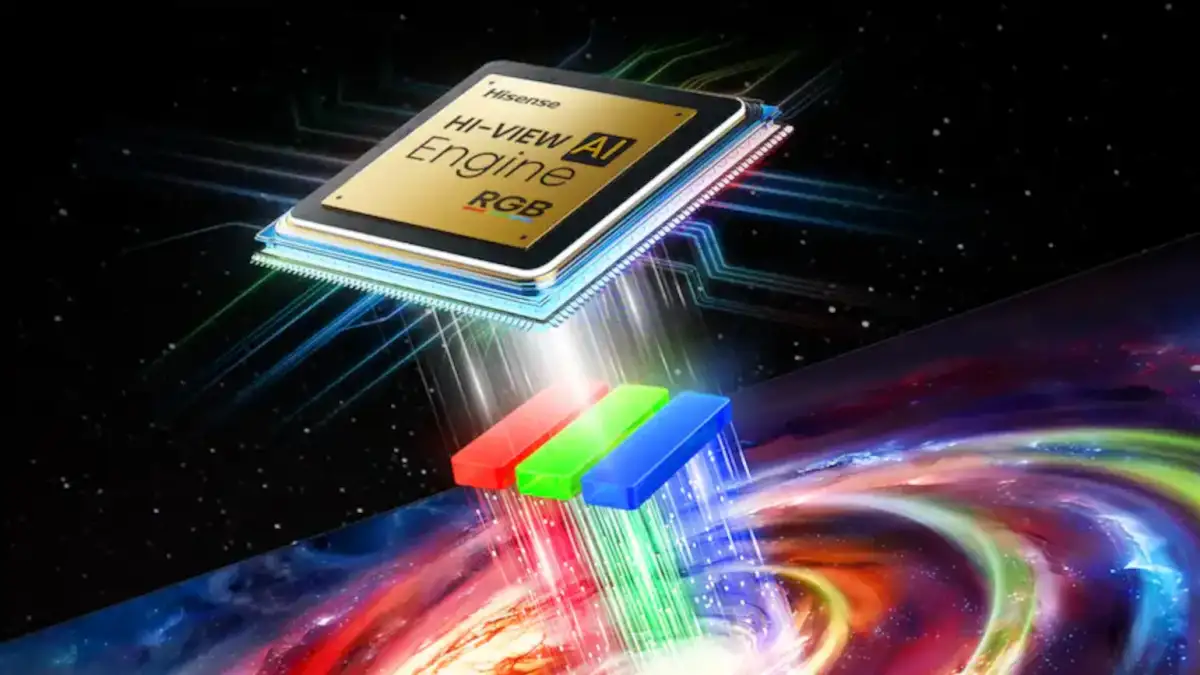
Hisense positions itself as "The Origin of RGB MiniLED," asserting its leadership in this emerging display field. The UR9 Series is powered by an all-new "Hi-View AI Engine RGB processor." This advancement is seen as a "quantum leap in display engineering," moving beyond conventional Mini-LED.
Read More: Chrome mimeHandler API lets extensions handle file types
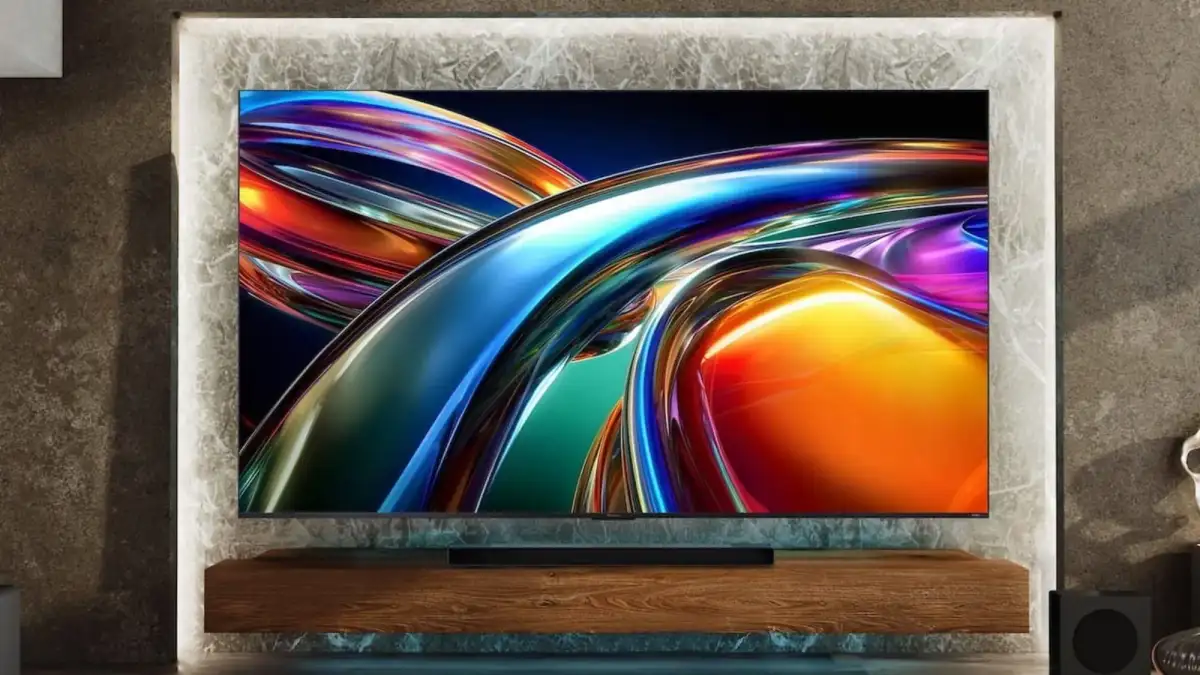
The company is pitching the UR9 not solely as a display for cinematic experiences but as a versatile, high-performance television. Pre-orders for the UR9 series have opened, with broader sales expected to commence on April 23, 2026. Some reports indicate the UR9 is offered with an accompanying deal.
Technical Advancements and Market Positioning
The core of the Hisense UR9's innovation lies in its RGB Mini-LED backlight. Traditional Mini-LED TVs rely on blue LEDs and filters to create colors, a process that can limit color accuracy and purity. The UR9's system integrates red, green, and blue diodes directly into each LED, eliminating the need for filters. This approach allows for more precise control over the light emitted, resulting in potentially more vibrant and accurate colors.
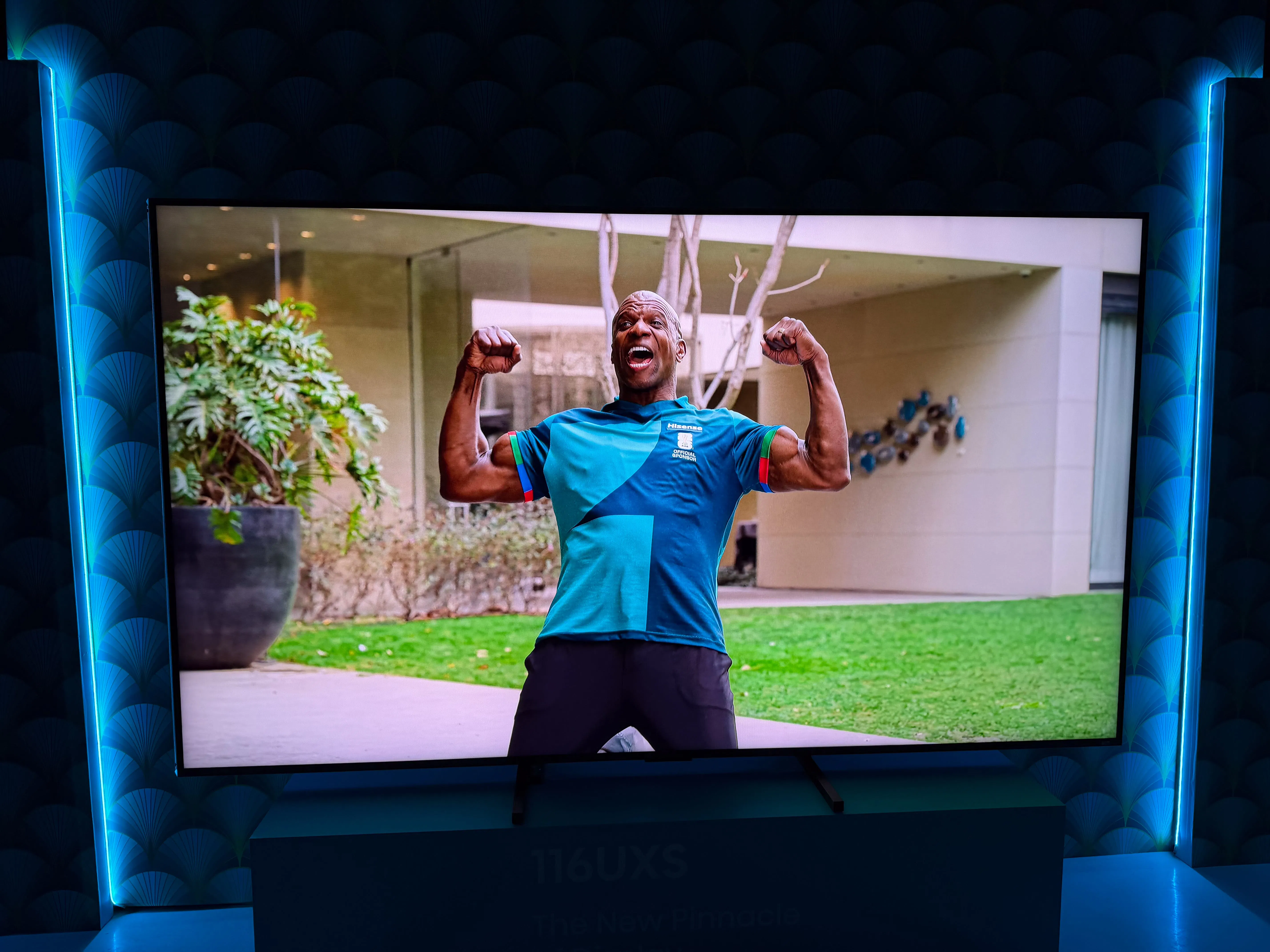
Initial assessments have noted that the UR9 "looks like a contender for the best TV for the money." While early observations highlight its color capabilities, questions remain about its real-world performance against existing high-end Mini-LED models and OLEDs, particularly concerning potential blooming effects that were observed on earlier Hisense models like the UX116.
Read More: TCL QM8L TV Features 6000 Nits Brightness and SQD Tech in April 2026
The move to RGB Mini-LED places Hisense in direct competition with premium OLED displays from manufacturers like LG and Samsung. This strategy could see companies like LG, a long-standing leader in OLED sales, re-evaluating their own product hierarchies if RGB LED TVs from competitors match or exceed the price points of their flagship OLEDs. The competitive landscape for high-end televisions is already crowded, making it a challenge for any new technology to find a distinct place.
Background: The Evolution of Display Technology
The introduction of the Hisense UR9 builds upon previous iterations of Mini-LED technology. Hisense itself pioneered an earlier RGB Mini-LED TV with its Hisense 116UX model last year. Mini-LED technology, in general, aims to improve upon standard LED displays by using a much larger number of smaller LEDs for backlighting. This increased density allows for better control over brightness and contrast, leading to deeper blacks and brighter highlights compared to conventional LED TVs.
Read More: BEREC Asks for Mobile Network API Ideas from Developers
The shift to a full RGB Mini-LED system represents a significant technical step. Unlike the "white or blue-based light systems" used in most LED and MiniLED TVs, the UR9's approach targets a fundamental improvement in color reproduction. While OLED technology is renowned for its perfect blacks and infinite contrast ratios due to its self-emissive pixels, RGB Mini-LED seeks to offer competitive brightness and color volume. The long-term impact of this technology on the premium TV market remains to be seen, with independent testing crucial to validating these initial claims.