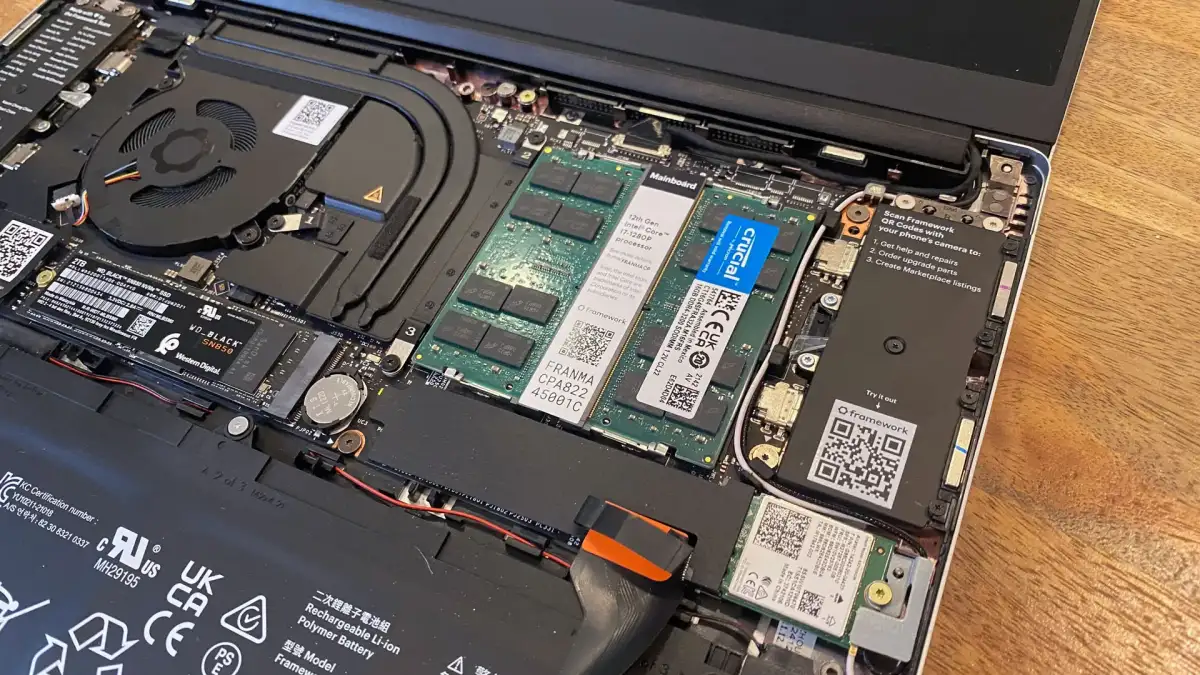
Framework, a company known for its customizable and upgradeable tech, is once again adjusting prices on essential components like RAM and SSDs. This ongoing situation stems from a persistent global memory and storage crisis, largely fueled by increased demand from the AI sector.
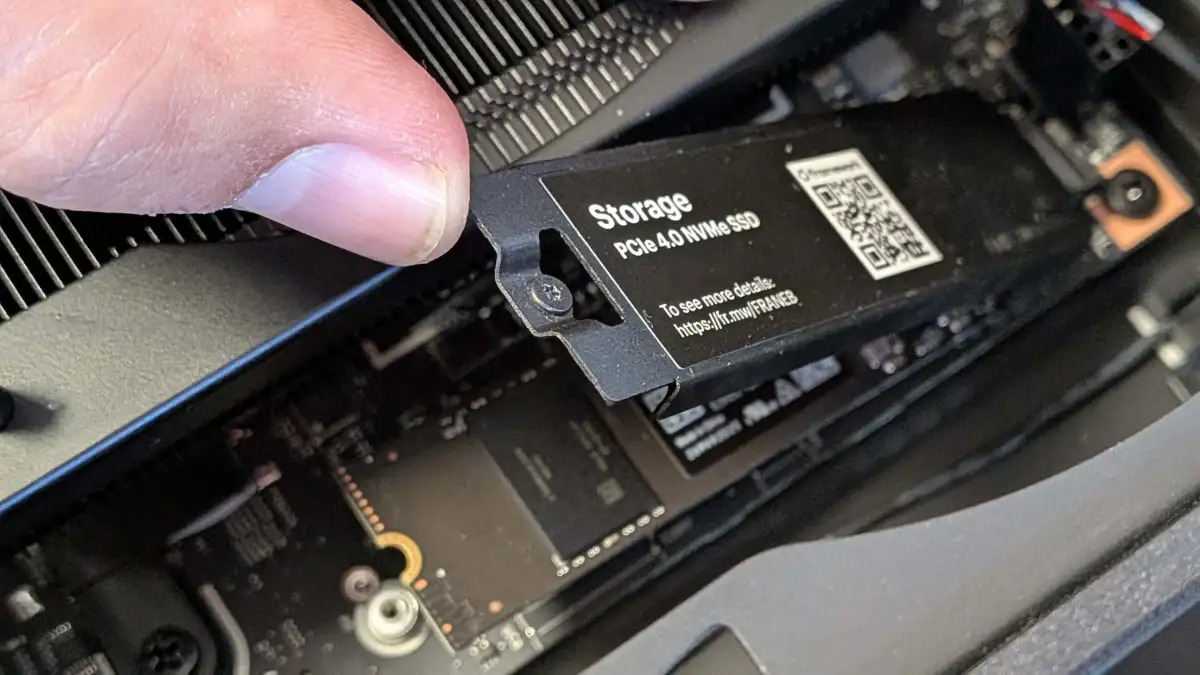
The core issue is a continued squeeze on memory and storage module availability and pricing. Framework is navigating these market shifts by passing on increased supplier costs to consumers. While the price trajectory for DDR5 RAM has seen some temporary plateaus, particularly in the past few months, solid-state drives (SSDs) continue to present a significant challenge. This has led to repeated price adjustments for these components.
Shifting Component Landscapes
Framework has announced a return to original launch pricing for certain configurations, largely due to securing lower CPU costs. However, this localized stability is overshadowed by the broader memory market. The company had previously adjusted SSD prices, initially transitioning to newer, more costly inventory and then clearing out older stock at below-market rates.
Read More: Chrome mimeHandler API lets extensions handle file types
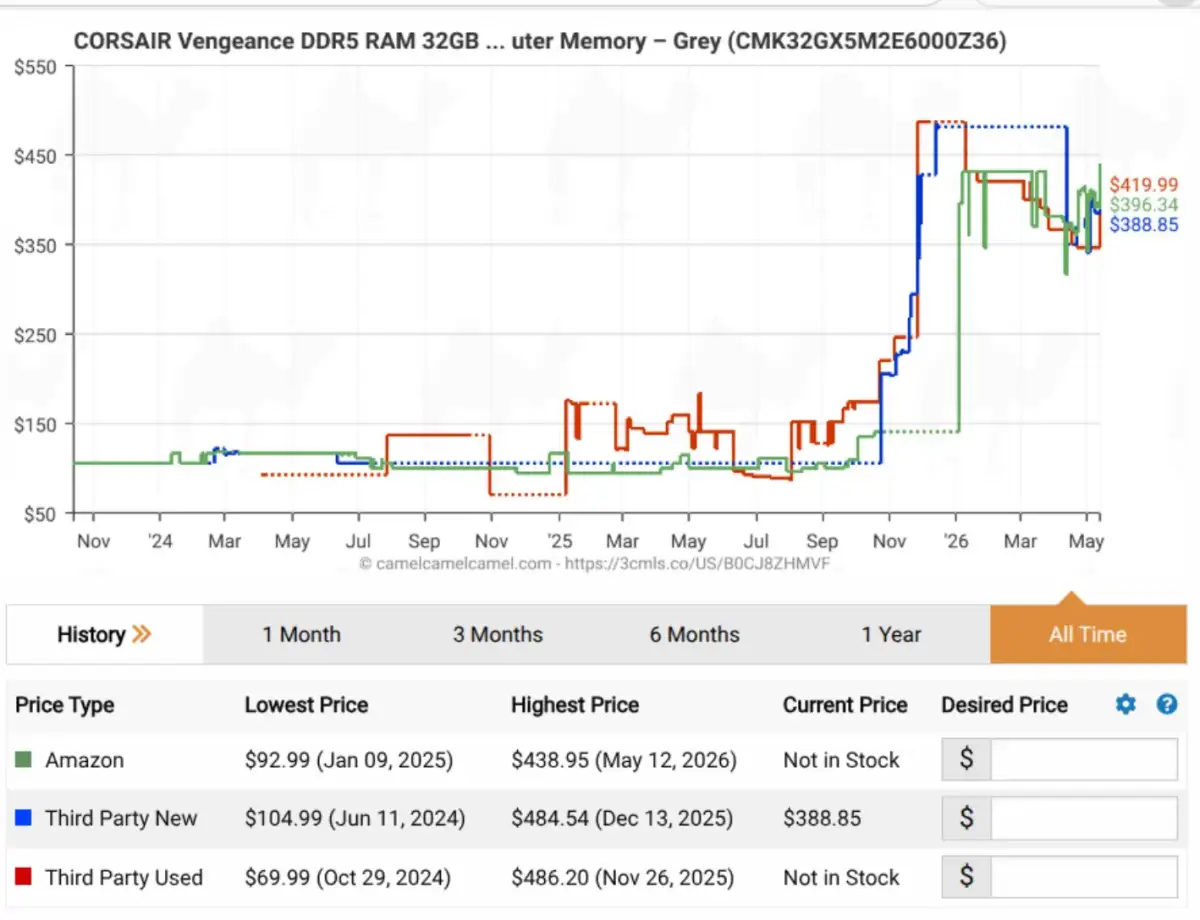
The impact is most keenly felt in higher-capacity configurations. For instance, prebuilt laptops equipped with 64GB of DDR5 RAM are now subject to price increases. This trend is consistent across several reports dating back to late 2025 and continuing into early 2026.
Deepening Market Pressures
The demand for memory hardware, driven significantly by the insatiable appetite of AI development, has created a global shortage. Major memory manufacturers like SK Hynix, Samsung, and Micron have reportedly shifted their production focus to cater to these AI demands. This strategic pivot has directly contributed to rising costs and reduced availability for consumer-grade components.
Framework has publicly stated it is simply passing on these supplier price increases to its customers. This practice, while transparent, highlights the wider market forces affecting not just Framework but potentially other manufacturers as well. Warnings from companies like Samsung about doubling DDRM RAM prices in late 2025 foreshadowed these ongoing adjustments.
Read More: TCL QM8L TV Features 6000 Nits Brightness and SQD Tech in April 2026
Beyond Memory: CPU Concerns Emerge
Adding another layer of complexity, Framework is also starting to experience shortages for certain CPU models, specifically mentioning the Intel Core i5-1334U processor. This, coupled with the ongoing memory and storage issues, paints a picture of a challenging market for PC hardware procurement throughout 2026 and potentially beyond. The company’s efforts to maintain competitive pricing are continually tested by these external market volatilities.
Historical Context and Future Outlook
Framework’s commitment to longevity and upgradeability positions it as a unique player in the market. However, even its modular approach is not immune to the fundamental economic pressures of component supply and demand. The company has previously adjusted RAM prices multiple times over short periods, underscoring the volatile nature of the current tech landscape. Reports from late 2025 indicated DDR5 RAM price hikes of up to 50% in some instances, with larger memory options incurring more substantial increases.
Read More: BEREC Asks for Mobile Network API Ideas from Developers
The persistent nature of these shortages suggests that consumers may need to brace for continued price adjustments and potential stock limitations across various PC components.