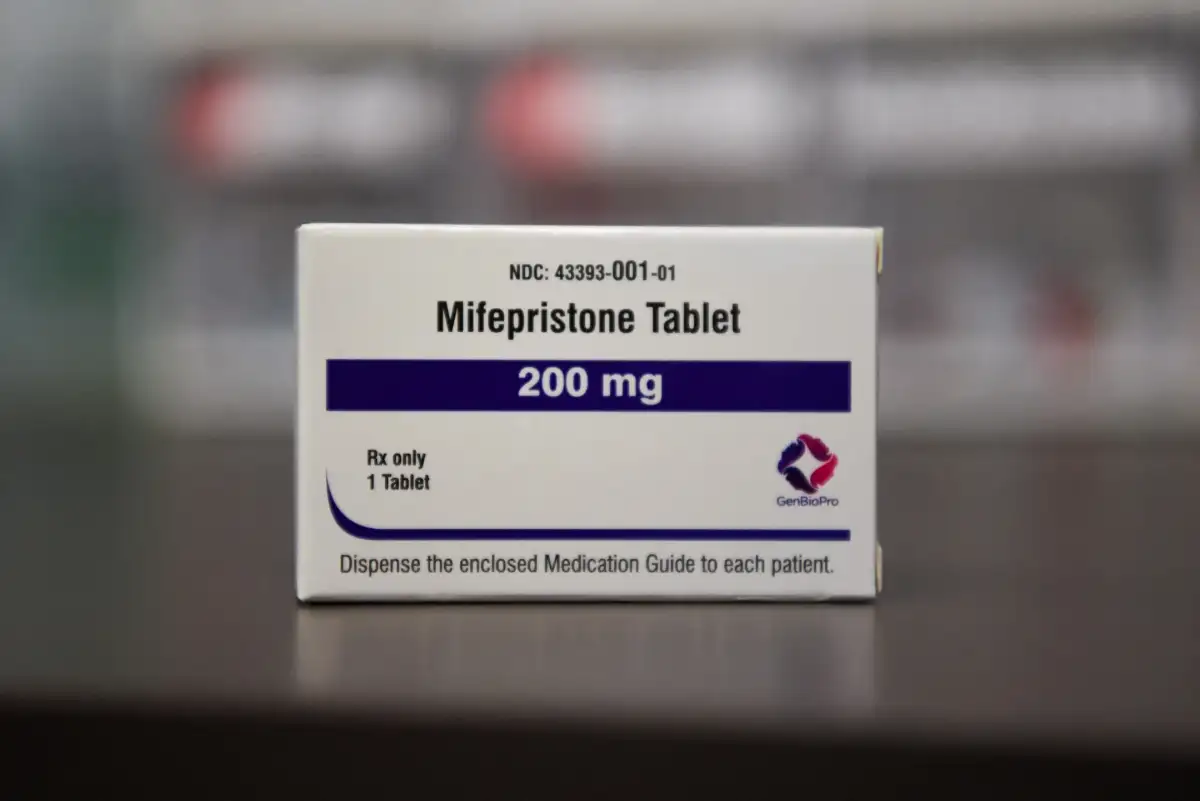
The nation's highest court has opted to preserve current access to the abortion pill mifepristone, shelving a lower court's order that sought to restrict its availability via telehealth and mail. This decision, issued yesterday, maintains the established practice of obtaining the medication through remote consultations and postal delivery while legal battles continue to unfold. The move ensures that for now, the method of access to mifepristone remains unchanged, pending further legal review.
The Supreme Court’s order means the contentious legal challenge over mifepristone access will proceed through federal appeals courts, with the likelihood of returning to the high court in the future for a definitive ruling. This temporary measure bypasses an earlier decision from the 5th U.S. Circuit Court of Appeals, which had aimed to reinstate a requirement for in-person doctor visits to obtain the drug.
Read More: DC Parents Face Fines for Teen Takeovers

Legal Maneuvering Continues
The recent Supreme Court action comes amidst ongoing litigation initiated by groups seeking to limit abortion access. A federal appeals court in New Orleans is now tasked with adjudicating the merits of a lawsuit challenging the Food and Drug Administration's (FDA) regulations on mifepristone. The FDA, meanwhile, is undergoing its own review of the drug's safety, a process that had previously led a federal district court to pause Louisiana's case against the agency.
The case's trajectory suggests a protracted legal process, with the possibility of the Supreme Court revisiting the issue after lower courts have had their say. This pattern of legal challenges and temporary stays has become a recurring feature in the post-Roe v. Wade landscape, impacting the availability of reproductive healthcare options.
Telehealth Access Under Scrutiny
Telehealth has become a significant conduit for abortion care, accounting for approximately a quarter of all such procedures in the United States. This method has proven particularly vital for individuals in rural areas or those far from clinics. The legal debate centers on whether the current telehealth and mail-order access to mifepristone undermines state-level abortion bans, some of which criminalize the shipping of such medication.
Read More: Jesy Nelson's twins turn 1 amid SMA health struggles
While the majority of the Supreme Court justices agreed to the administrative stay, two conservative justices, Clarence Thomas and Samuel Alito, dissented. Their objections highlighted concerns about the "criminal enterprise" and the perceived "weaponization" of the courts by those seeking to restrict abortion access, while also noting that this pause is unlikely to satisfy the plaintiffs' broader aims.

The immediate impact of the Supreme Court's decision is a reprieve for providers and patients alike, averting a sudden disruption to established access routes. However, the underlying legal and political contest over medication abortion is far from settled.
Background
The legal saga surrounding mifepristone intensified following the Supreme Court's landmark decision to overturn Roe v. Wade. This ruling eliminated the federal constitutional right to abortion, empowering individual states to regulate or ban the procedure. Consequently, access to medication abortion, often via telehealth and mail, has become a focal point in the ongoing efforts to restrict or preserve abortion rights across the country. Several states have enacted bans on pregnancy terminations, prompting legal defenses that utilize telehealth services to circumvent these restrictions, often with support from state laws designed to offer legal protection for such services.
Read More: Murdaugh Murder Convictions Overturned, New Trial Ordered in South Carolina