Bernard Roizman, ScD, the preeminent voice in herpes research, died on April 13, 2026, at 96. His work unraveling the complexities of the herpes simplex virus (HSV) illuminated how it infects cells, a breakthrough that paved the way for advancements in potential vaccines and gene therapies.
Roizman's research, described as having "largely defined the field" of herpes studies, offered deep insights into the virus's molecular biology and its disease-causing mechanisms.
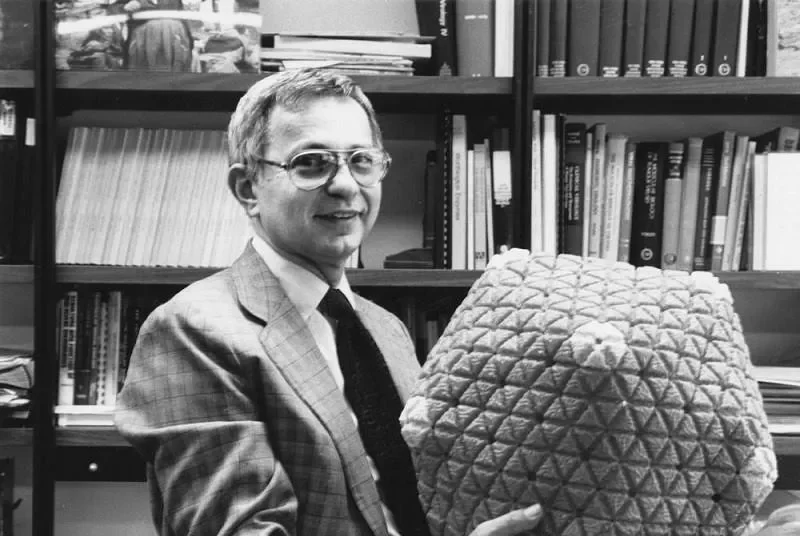
He is remembered not just for his scientific discoveries, but for his distinctive perspective on the scientific endeavor itself. Roizman frequently asserted that the true measure of his career was not solely in his published findings, but in the generations of young scientists he cultivated.
His influence spread globally as he trained researchers who went on to establish their own programs across the United States, Europe, and Asia. Beyond his laboratory, Roizman’s engagement extended to numerous national and international committees and editorial boards for 13 journals, underscoring a commitment to the broader scientific community.
Roizman’s path to virology was not immediate. He described science as his "second love at first sight," following his wife, Betty Cohen, whom he married after they met as students. A pivotal moment arrived when required science courses captivated him, setting him on a trajectory that would fundamentally alter our understanding of herpes viruses. His tenure included a chairmanship of the Department of Molecular Genetics and Cell Biology at the University of Chicago from 1985 to 1988.
Read More: Indigenous Data Rights Now Key in Conservation Genomics