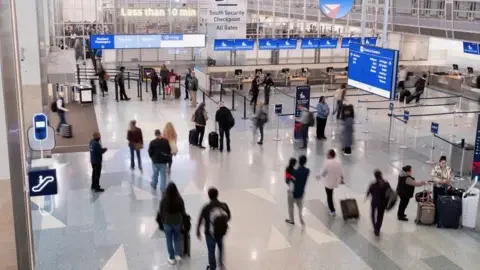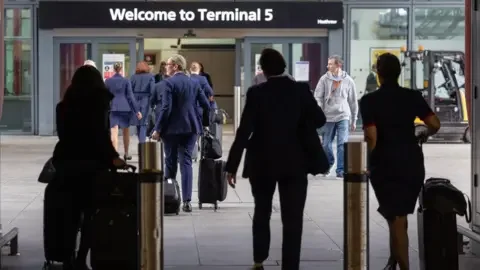
Heathrow Airport's chief executive, Thomas Woldbye, has proposed a unique explanation for perceived overcrowding: passengers, particularly Britons and Europeans, walk on different sides of walkways, leading to collisions and a feeling of congestion. This statement comes as the airport continues to navigate operational complexities, including past incidents like a significant power outage and ongoing discussions about expansion.
The airport, which handled 6.5 million passengers in January, making it the busiest on record for that month, is exploring measures to improve passenger flow. These include "decluttering" departure lounges and upgrading facilities like baggage systems and assistance areas in Terminal 2.

Public Perception Versus Official Explanation
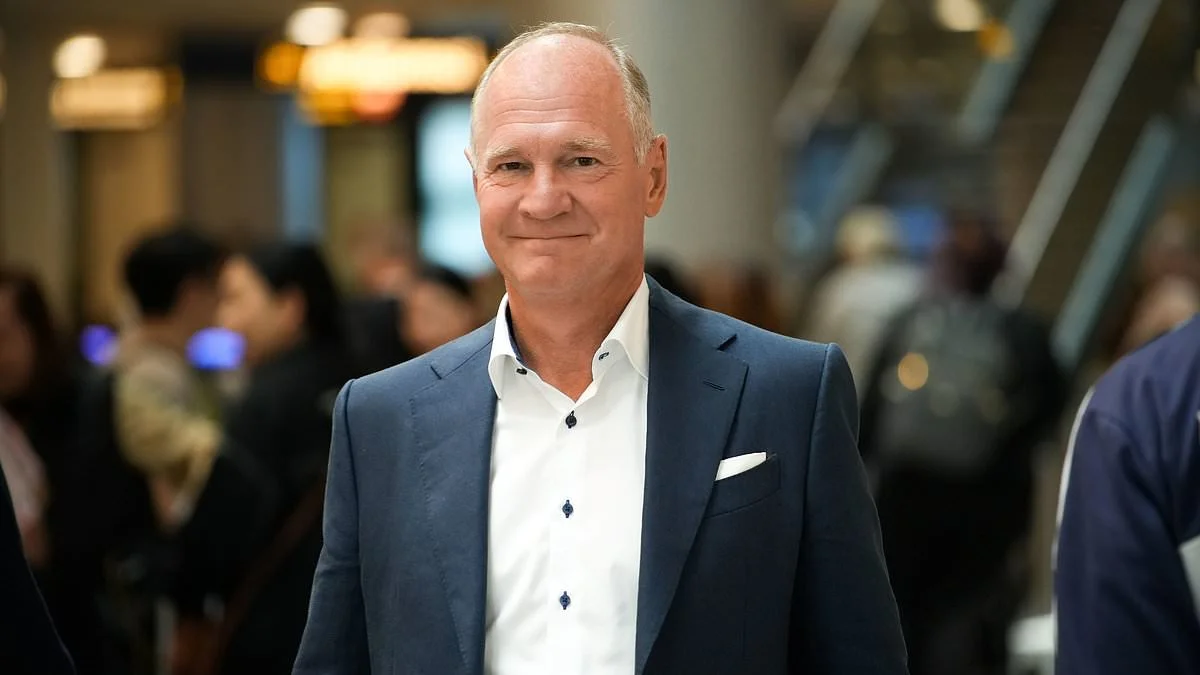
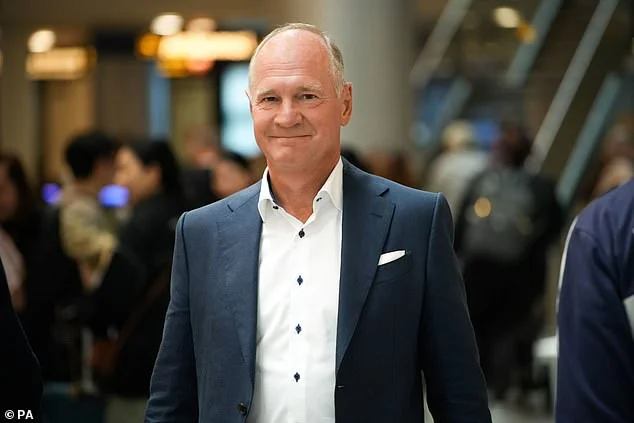
Thomas Woldbye, CEO of Heathrow Airport, stated at an industry event that Terminal 5 is not genuinely overcrowded. Instead, he posited that the perception of crowding arises from differing pedestrian habits:
Read More: India's Passport Moves Up, But Visa-Free Travel Drops Slightly
British travelers are said to consistently keep to the left.
European travelers are observed to favor keeping to the right.
This divergence, according to Woldbye, results in passengers "crashing into each other" and creates a feeling of congestion even when passenger volume might not be at its absolute peak capacity. He suggested this is a factor in passenger experience, distinct from the airport's overall capacity.

"all the British people keep to the left and all the Europeans keep to the right", making the terminal feel crowded "when it's not actually".
Some observers and publications have drawn parallels to navigating busy urban environments, such as the London Underground, where directional pedestrian flow is also a consideration.
Operational Context and Past Incidents
Heathrow Airport, the UK's busiest, operates with a significant daily passenger volume, with 200,000 travelers passing through its terminals each day. The airport is also at the center of debates regarding expansion, specifically the construction of a third runway, which could potentially increase annual flights from 480,000 to 756,000. This proposal faces opposition on environmental grounds and concerns over disruption to local residents.
Read More: Lidl Worker Fired for Drinking Unpaid Water Bottle
This discussion on passenger flow occurs against a backdrop of other operational challenges:
March 2025 Power Outage: Heathrow's CEO defended the airport's response to a major power outage caused by a fire at an electrical substation. The incident led to significant disruptions and flight cancellations. Woldbye asserted pride in the response, while also denying over-reliance on the affected substation.
Passenger Experiences: Anecdotal evidence from travel forums suggests that some passengers find navigating the airport challenging, citing long walks between gates and non-operational moving walkways.
"Heathrow boss 'proud' of response to power outage chaos"
Strategies for Improving Passenger Flow
In response to passenger flow issues, Heathrow is implementing several changes:
Departure Lounge Improvements: Plans include "decluttering" these areas to enhance the sense of space and ease of movement.
Terminal 2 Upgrades: This terminal is set to receive a new, dedicated baggage system and a new assistance area providing direct access to security. All assistance areas across Heathrow will also be upgraded.
Clearer Signage and Navigation: While not explicitly detailed as a direct response to Woldbye's statement, improvements in passenger guidance are implied as a means to facilitate smoother movement.
Broader Airport Expansion Debate
The proposed third runway at Heathrow remains a point of contention. While the government supports the expansion as crucial for economic growth, some economists dispute its necessity and projected benefits. Environmental campaigners and local communities continue to voice opposition, highlighting concerns about carbon emissions and the impact on air quality and noise pollution.
Read More: India's Passport Moves Up in Global Ranking
The discussion around passenger flow and Woldbye's remarks adds another layer to the ongoing narrative surrounding Heathrow's operational efficiency and future development plans.
Expert Analysis
While Thomas Woldbye's comments offer a specific perspective on passenger movement, operational experts often consider a confluence of factors when assessing airport congestion. These typically include:
Infrastructure Capacity: The physical layout and size of terminals, gates, and security areas.
Staffing Levels: Adequacy of security, check-in, and customer service personnel.
Process Efficiency: The speed and effectiveness of security screening, baggage handling, and boarding procedures.
Passenger Behavior and Psychology: Understanding how passengers navigate and react in busy environments.
The assertion that differing directional habits are the primary cause of perceived overcrowding invites further examination alongside these established operational metrics.
Heathrow's CEO attributes perceived crowding to differing pedestrian habits between British and European travelers, rather than pure capacity issues.
The airport is undertaking terminal improvements, including decluttering and upgraded facilities, to enhance passenger flow.
This discussion occurs amidst broader debates about Heathrow's expansion and its environmental and economic implications.
Conclusion
Heathrow Airport's chief executive, Thomas Woldbye, has presented a distinctive viewpoint on perceived overcrowding, suggesting that passengers' directional preferences—Britons to the left, Europeans to the right—cause collisions and a sense of congestion. This explanation accompanies planned improvements to terminal facilities aimed at optimizing passenger flow.
Read More: Hull City Fans Arrested for Bad Chants at Football Game
The airport, a major global hub, is simultaneously engaged in the contentious expansion of a third runway, a project supported by the government but scrutinized by environmental groups and some economists. This operational discourse on pedestrian habits is intertwined with larger questions about the airport's capacity, its environmental impact, and its role in economic growth. The effectiveness of current and proposed passenger flow strategies, beyond addressing directional preferences, will remain a key area for observation.
Sources
BBC News: Heathrow not crowded but people walk in 'wrong place', says boss - Reports on Woldbye's statement and the general context of Heathrow's operations.
The Guardian: Heathrow isn’t crowded, it’s travellers walking on the wrong side, boss says - Details Woldbye's explanation and compares Heathrow's passenger density to other hubs.
Daily Mail: Heathrow claims hub isn't too busy but 'Europeans walk the wrong way' - Focuses on Woldbye's claims and the planned improvements to tackle overcrowding.
Metro: Just like the Tube, airports have a problem with passengers walking the wrong wa - Draws parallels between airport navigation and public transport systems.
Financial Times: Heathrow feels crowded because Britons and EU travellers ‘keep crashing into each other’, says CEO - Provides an excerpt from the article, highlighting the core claim.
BBC News: Heathrow boss defends response to 'major incident' - Covers Woldbye's defense of the airport's actions following a power outage.
Independent: Heathrow’s boss insists airport not too crowded – people just walk wrong way - Reinforces Woldbye's main argument.
Read More: Airport Security Workers May Not Get Paid If Government Funding Stops