The increasing use of Artificial Intelligence (AI) to create visual designs is presenting challenges for bakers. Clients are often submitting AI-generated images as inspiration for cakes, leading to expectations that are difficult, if not impossible, to replicate in reality. While AI can serve as a source of ideas, its outputs can be misleading, causing confusion and frustration for baking professionals.

The Rise of AI Inspiration in Cake Design
AI image generators can quickly produce novel visual concepts. However, these creations frequently lack the practicality needed for physical objects like cakes. Bakers report that AI can depict textures, structures, and details that are not feasible with edible ingredients.

Client Submissions: Customers are increasingly showing bakers images produced by AI for custom cake orders.
Unrealistic Portrayals: AI can generate designs with seemingly perfect finishes, gravity-defying elements, or impossible ingredient combinations.
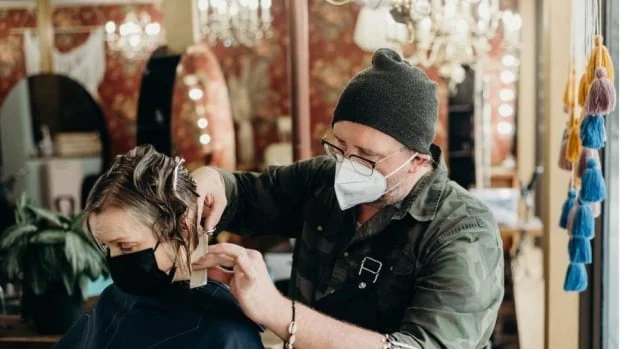
Industry Impact: This trend is not unique to cakes, also affecting professions like hairdressing.
Discrepancies Between AI Designs and Real-World Execution
Bakers like Cynthia Tawo have voiced concerns about AI-generated inspiration images. While she ultimately created a cake that many found superior to the AI image, the initial request stemmed from an "unrealistic expectation." The client’s acceptance of Tawo's creative interpretation allowed for a positive outcome.
Read More: Stanley Tucci Now Sells Pizza Ovens for Your Home
"My client was happy for me to do what needed to be done in order to get this end result." - Cynthia Tawo
The ability of AI to dream something and it can just exist as a visual can disconnect clients from the tangible limitations of baking.
Case Study: The "Luxe" Birthday Cake
Cynthia Tawo, a baker from Harlow, shared an instance where a client provided an AI-generated image for a two-tier 30th birthday cake.
The AI Image: The provided image showcased a design with a polished, almost ethereal quality.
The Baker's Reality: Tawo had to adapt the design to practical baking methods.
The Outcome: The resulting cake was widely praised as "even better" than the AI concept, demonstrating the baker's skill in translating abstract visuals into a physical creation.
AI-Generated Recipes and Fraudulent Claims
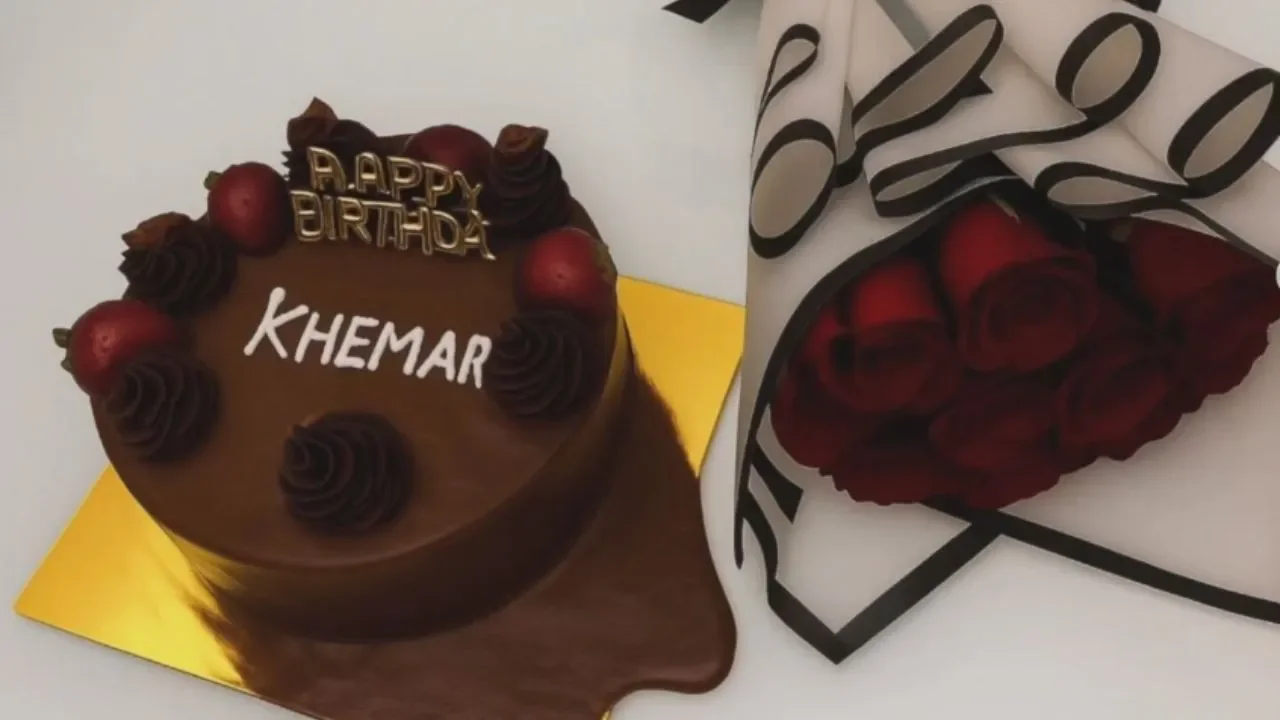
The influence of AI extends beyond visual inspiration. AI can also generate recipes, as noted in a CNN report, with the potential for inaccuracies. Furthermore, AI-generated images have been misused in fraudulent attempts to obtain refunds. A Mumbai woman reportedly used a "fake" AI-generated cake photo to claim a refund, presenting an image with clear errors such as misspelled text ("Aappy Birthda") and unrealistic cream textures.
Read More: Android Phones May Get New Features to Challenge iPhones
"As a hospitality brand, we get called out for the smallest of errors, yet there is no platform to call out customers for fraudulent claims." - Dessert Therapy
This incident highlights the need for verification and the challenges faced by businesses in distinguishing genuine issues from fabricated ones.
Perspectives on AI's Role in Creative Industries
Professionals acknowledge that AI can be a source of inspiration. However, concerns persist about its limitations and the potential to stifle genuine creativity.
Inspiration vs. Imitation: Some AI models may recycle existing ideas, leading to overly polished but unoriginal designs.
The Human Element: Bakers emphasize the artistic skill and understanding of materials that AI cannot replicate.
Platform Responsibility: There are questions about the motivation of platforms like Pinterest to filter AI-generated content, as they profit from user engagement regardless of content origin.
Conclusion
The advent of AI-generated imagery presents a complex scenario for bakers and other creative professionals. While AI offers a new avenue for visual exploration, it simultaneously introduces challenges related to unrealistic client expectations and potential misuse. Bakers are navigating these complexities by adapting designs, communicating openly with clients, and, in some cases, calling out fraudulent activity. The ongoing dialogue centers on finding a balance where AI serves as a tool for inspiration without undermining the integrity and artistry of physical creation.
Read More: New Chocolate Cake Is a Hit at 2026 Winter Olympics
Mirror: Reports on Cynthia Tawo's experience with an AI-generated cake design, detailing her challenges and the positive reception of her final product. https://www.mirror.co.uk/lifestyle/food-drink/baker-given-unrealistic-ai-picture-36705196
Technical.ly: Discusses how AI-generated images confuse baking, citing complaints from bakers about customers submitting such images and the unrealistic expectations they create. https://technical.ly/civic-news/cake-life-ai-baking-fake-images/
CNN: Explores the issue of AI-generated recipes and images, noting how AI can "make up" recipes and how images are supposed to be labeled. https://www.cnn.com/2025/12/24/health/ai-recipe-baking
AOL (via OpenTools.ai): Highlights that AI images set unrealistic expectations in creative fields like hairdressing and cake decorating, noting the varied public sentiment towards AI-driven imagery. https://opentools.ai/news/ai-images-setting-unrealistic-hair-and-cake-expectations
News Minimalist: Reports on AI-generated images shaping trends in beauty and cake design while raising concerns about unrealistic expectations, with professionals like Olivia Hua noting unusual requests. https://www.newsminimalist.com/articles/ai-generated-images-shape-beauty-and-cake-trends-but-raise-concerns-about-unrealistic-expectations-8ade3fe4
The Daily Jagran: Details an incident where a Mumbai woman allegedly used a "fake" AI-generated cake photo to claim a refund, with the bakery calling out the fraud on social media. https://www.thedailyjagran.com/viral/mumbai-woman-uses-fake-ai-generated-cake-photo-to-claim-rs-1820-refund-bakery-calls-out-fraud-10280617