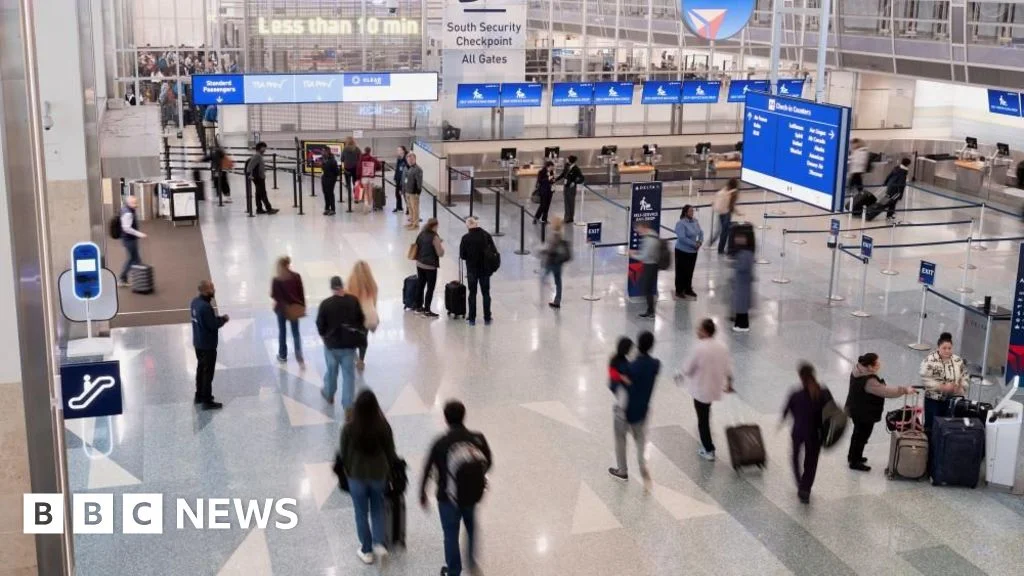
A partial shutdown of the U.S. Department of Homeland Security (DHS) has commenced, affecting various agencies and impacting federal workers. Lawmakers failed to pass funding bills by a Friday midnight deadline, leading to this disruption. The situation raises concerns about potential delays in essential services, particularly at airports, and financial hardship for government employees.
The immediate cause of the shutdown is a disagreement in Congress over funding for DHS, specifically tied to the inclusion of new restrictions on immigration enforcement. Senate Democrats blocked funding measures that did not address these immigration reforms.

DHS Agencies and Operations Affected
The shutdown primarily impacts agencies under the DHS umbrella.

Transportation Security Administration (TSA): While not an immediate impact on screening, extended shutdowns could affect airport operations. Thousands of TSA workers may continue to work without pay.
U.S. Coast Guard: This agency, also overseen by DHS, is expected to be affected.
Immigration and Customs Enforcement (ICE): Initial reports suggest no immediate impact on ICE operations, as they received separate funding. However, acting director Todd Lyons noted potential effects on work combating transnational crime.
Federal Workforce Concerns
A significant concern is the financial strain placed upon federal workers.
Read More: Bangladesh Party Thanks India's PM Modi After Election Win

Furloughs and Unpaid Work: An estimated 750,000 federal workers were furloughed, and an additional 690,000 continued working without pay in a previous shutdown. This current shutdown is expected to follow a similar pattern, affecting the 260,000+ personnel within DHS.
Financial Stress: Many federal employees experienced financial difficulties during past shutdowns, with concerns about missing paychecks and inability to cover living expenses.
Morale and Uncertainty: Workers have expressed fear and anxiety, with some noting a lack of communication from agency leadership regarding shutdown procedures. Some workers have even been instructed to falsely record their work hours to appear furloughed.
Legislative Impasse
The shutdown stems from a legislative stalemate regarding the budget and immigration policy.
Disputed Funding Bills: Senate Democrats blocked funding bills that did not incorporate immigration reforms they support.
Calls for Resolution: Unions, such as the American Federation of Government Employees (AFGE), representing hundreds of thousands of federal workers, have called for an immediate end to the shutdown, emphasizing the disruption to those who "keep the country running."
Historical Context and Previous Impacts
This is not the first instance of a federal government shutdown affecting DHS and its workers.
Read More: Trump Uses Stronger Words and Attacks More
Previous Shutdowns: Past shutdowns have led to significant disruptions, including furloughs, unpaid work, and financial hardship for federal employees and their families. Some workers, like subcontractors, have even faced risks of not receiving lost wages.
Worker Sacrifice: Federal employees have questioned the justification for their sacrifices during these periods of uncertainty and missed pay.
Expert Analysis
Congressman Glenn Ivey: Stated there is "a lot of concern, there is a lot fear, there is a lot anger" among federal workers, anticipating a "big impact."
American Federation of Government Employees (AFGE): Described the shutdown as "punishing the very people who keep the country running" and urged for workers to be reinstated with full back pay.
Conclusion and Implications
The current DHS shutdown is a direct result of a legislative failure to agree on funding, exacerbated by political disputes over immigration policy. The immediate consequences include uncertainty for federal employees, with many facing unpaid work or furloughs, and potential disruptions to public services, such as air travel. The repeated nature of these shutdowns highlights a recurring challenge in federal budget negotiations and underscores the significant human cost borne by federal workers. The resolution of this shutdown will likely depend on further negotiations between House and Senate lawmakers concerning the federal budget and immigration reforms.
Sources:
PBS NewsHour: https://www.pbs.org/newshour/politics/what-services-are-affected-by-the-homeland-security-shutdown-what-you-need-to-know
NPR: https://www.npr.org/2026/02/14/nx-s1-5713914/department-of-homeland-security-shutdown
TIME: https://time.com/7362192/government-shutdown-ice-snap-social-security-medicare-flights/
Federal News Network: https://federalnewsnetwork.com/workforce/2025/10/with-the-shutdown-underway-federal-workers-brace-for-furloughs-and-financial-strain/
The White House: https://www.whitehouse.gov/government-shutdown-clock/
ABC News: https://abcnews.go.com/Politics/partial-government-shutdown-now-3rd-day/story?id=129788569
Investopedia: https://www.investopedia.com/federal-workers-brace-for-long-and-costly-shutdown-11830372
Union Leader: https://www.unionleader.com/news/national/largest-federal-workers-union-calls-for-end-to-government-shutdown/article9e657568-5bc1-45c1-839e-87e4cb6216d7.amp.html
CNN Politics (Sept 27, 2025): https://www.cnn.com/2025/09/27/politics/government-shutdown-federal-workers-layoffs-fear
Defense One: https://www.defenseone.com/policy/2026/02/some-army-civilians-worked-during-shutdownand-were-told-say-they-didnt/411299/
USA Today: https://www.usatoday.com/story/news/politics/2023/09/27/government-shutdown-backpay-subcontractors/70968669007/
PBS NewsHour (Nov 13, 2025): https://www.pbs.org/newshour/politics/the-worst-time-to-be-a-federal-employee-workers-question-whether-the-shutdown-was-worth-their-sacrifices
CNN Politics (Feb 13, 2026): https://www.cnn.com/politics/live-news/trump-administration-news-02-13-26
CNN Politics (Nov 13, 2025): https://www.cnn.com/2025/11/13/politics/government-shutdown-ends-federal-workers-return
Read More: Nicki Minaj Talks About SAVE Act with Fans