A recent evaluation of global passports shows India's travel document has climbed in standing, yet its access to visa-free entry has diminished in two specific nations. This dual development prompts an examination of the factors influencing passport power and the practical implications for Indian travelers.
Context
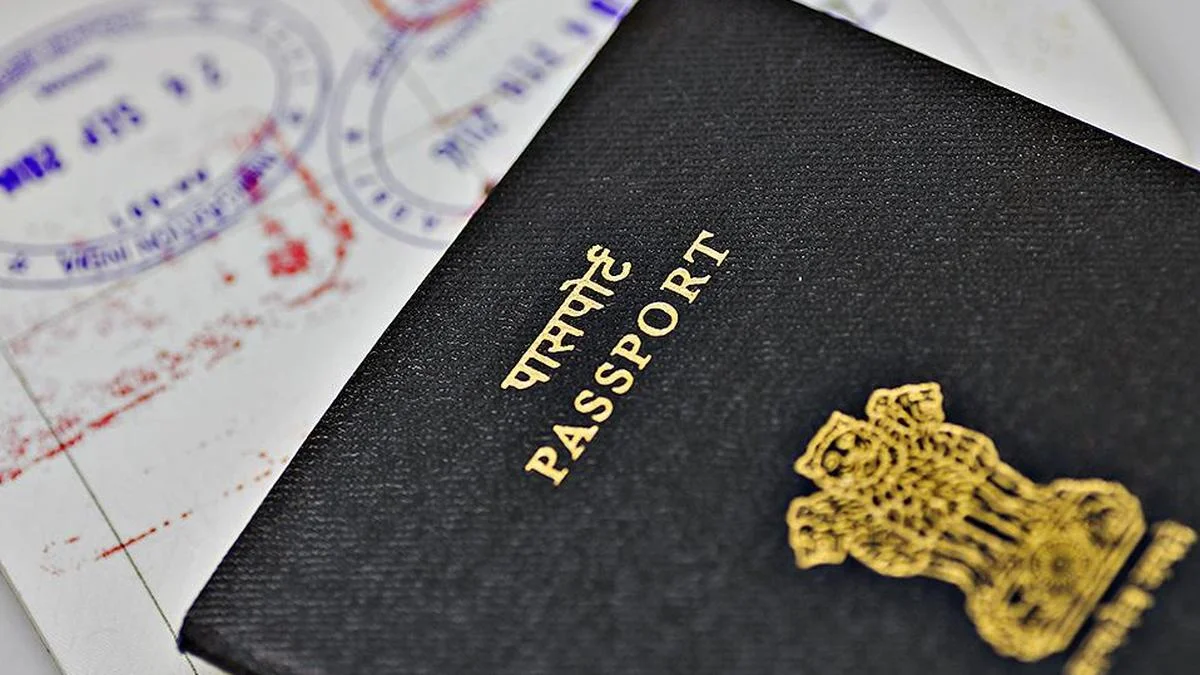
The Henley Passport Index, a widely recognized measure of passport strength, has updated its 2026 rankings. India's passport has ascended by ten places, now ranking 75th. This improvement is measured against other nations' passport standings and reflects a complex global landscape of changing travel policies.
However, this rise in ranking occurs concurrently with a reduction in the number of destinations where Indian citizens can enter without a prior visa. The total number of countries offering visa-free or visa-on-arrival access for Indian passport holders has decreased from 57 to 55.
Read More: India's Passport Moves Up in Global Ranking

The Henley Passport Index methodology assigns points based on the number of destinations passport holders can access without requiring a visa in advance. This includes visa-free entry, visa-on-arrival, and certain electronic travel authorizations.
Evidence of Changes
Reports indicate that the decline in visa-free access is directly attributed to policy changes enacted by Iran and Bolivia.

Iran: Previously, Indian citizens could obtain a visa upon arrival in Iran. This facility has been suspended, requiring travelers to secure a visa before departure. This change effectively moves Iran from a visa-on-arrival status, considered close to visa-free under the Henley Index, to a visa-required destination. Indian authorities have also issued warnings regarding agents promoting visa-free transit through Iran.
Bolivia: Similarly, Bolivia has altered its entry requirements, no longer offering the previous visa-on-arrival option for Indian citizens. This necessitates obtaining a visa prior to travel.
Passport Ranking Dynamics
The apparent contradiction of an improved ranking alongside reduced visa-free access stems from the comparative nature of the Henley Passport Index.
Read More: Nagarjuna Says He Was Not Offered Role in "Dhurandhar"
Relative Strength: India's ranking has risen not solely due to an expansion of its own visa-free destinations, but because other countries have experienced sharper declines in their passport standings. These declines are attributed to factors such as tightened border controls and evolving security frameworks.
"Leaderboard" Effect: The index functions akin to a leaderboard, where each country's score is measured against others. Even if a country's absolute visa-free count dips slightly, it can still move up if its competitors' scores fall more significantly. This indicates that India's passport strength is perceived as growing in relative terms within the global context.
Impact on Travel Access
The shift in policy for Iran and Bolivia has tangible consequences for Indian travelers.
Reduced Access: The number of destinations requiring advance visa arrangements for Indian citizens has increased by two.
Visa Requirements: Travelers bound for Iran and Bolivia must now complete visa application procedures before their journey. This may involve new documentation and associated fees.
Updated Information: Organizations that manage travel visas, such as VisaHQ, are adapting to these changes, offering assistance for the new e-Visa system in Bolivia and standard visa applications for Iran. Employers are advised to update their visa matrices and brief traveling staff.
Remaining Access: Despite these specific losses, Indian passport holders still retain visa-free or visa-on-arrival access to a significant number of countries. Current figures suggest this access extends to 55 to 56 countries, depending on the specific index criteria.
Read More: Heathrow Boss Says People Walking on Different Sides Makes Airport Feel Crowded
The current situation underscores the necessity for Indian travelers to stay informed about evolving visa regulations, particularly for destinations that frequently adjust their entry policies.
Expert Analysis
Analysts note that passport rankings are a fluid metric, susceptible to the geopolitical and policy decisions of individual nations.

"The Henley Passport Index measures a passport’s strength relative to other countries. India’s ranking improved not because of a major expansion in visa-free access, but because several other countries experienced sharper declines due to tightened border controls and evolving security frameworks." - TravelBiz Monitor
This perspective highlights that while India's passport has gained standing, it is within a broader global context of shifting travel freedoms. The changes in Iran and Bolivia, while specific, are part of a larger pattern of nations re-evaluating entry requirements.
Conclusion and Implications
India's passport has achieved a notable ascent in the 2026 Henley Passport Index, now ranking 75th. This improvement is a testament to its comparative strength within the global landscape of passport power. However, this progress is accompanied by a reduction in visa-free access, specifically due to new entry requirements implemented by Iran and Bolivia.
Read More: O Romeo Does Well on First Day, Tu Yaa Main Has Low Sales
The divergence between the improved ranking and the decrease in visa-free destinations signifies the complex, relative nature of the Henley Passport Index.
The implications for Indian citizens are clear:
Increased Planning: Travel to Iran and Bolivia now demands pre-trip visa arrangements.
Dynamic Travel Environment: The global travel landscape remains subject to frequent policy shifts, requiring continuous vigilance from travelers.
Continued Global Access: Despite the recent changes, a substantial number of countries remain accessible to Indian passport holders with minimal visa formalities, preserving considerable international mobility.
Moving forward, staying abreast of specific country visa policies will be paramount for Indian travelers to ensure smooth and informed international journeys.
Sources Used
NDTV: https://www.ndtv.com/travel/india-loses-visa-free-entry-to-two-countries-in-2026-despite-10-place-passport-ranking-jump-10999040 - Provided overview of ranking gain vs. visa-free loss, identifying Iran and Bolivia.
Deccan Chronicle: https://www.deccanchronicle.com/nation/iran-bolivia-end-visa-on-arrival-options-for-indian-passport-holders-1937191 - Confirmed Iran and Bolivia as the countries, specified the shift from visa-on-arrival to pre-arranged visas, and mentioned the visa-free score drop.
News18: https://www.news18.com/lifestyle/travel/henley-passport-index-india-ranking-india-climbs-10-spots-but-loses-visa-free-access-to-two-countries-9902931.html - Explained how visa-on-arrival transitions affect the index and confirmed the move from visa-on-arrival to e-visa for Iran.
Travel And Tour World: https://www.travelandtourworld.com/news/article/indias-passport-soars-in-2026-unlocking-visa-free-access-to-fifty-six-countries-but-iran-and-bolivia-slam-the-door-shut-for-indian-travellers/ - Provided context on the overall number of accessible countries (56) and emphasized the need to stay updated on visa policies.
VisaHQ: https://www.visahq.com/news/2026-01-20/in/indias-passport-gains-rank-but-loses-two-visa-free-destinations-in-henley2026/ - Offered practical advice for employers and travelers regarding new visa requirements for Iran and Bolivia.
Gulf News: https://www.gulfnews.com/world/asia/india/visa-free-travel-map-changes-for-indian-passport-holders-in-2026-2-added-4-lost-1.500414392 - Stated the current visa-free count as 55 and clarified that e-Visas do not count as visa-free under Henley rules.
The Hindu: https://www.thehindu.com/life-and-style/travel/henley-passport-index-global-passsport-index-indian-passport-visa-free-countries-2026/article70631470.ece - Reported India's rank at 75th and the visa-free access to 56 countries, contrasting with last year's rank and count.
CNBC TV18: https://www.cnbctv18.com/travel/indian-passport-climbs-10-ranks-in-2026-but-visa-free-access-to-these-two-nations-dropped-19850166.htm - Explained Bolivia's change from visa-on-arrival to requiring prior approval and confirmed the current access to 56 countries.
NDTV: https://www.ndtv.com/travel/indian-passport-is-75th-most-powerful-climbs-10-ranks-in-new-henley-index-10997895 - Defined the ranking criteria including visa-free, visa-on-arrival, and e-visa facilities, and noted access to 56 countries.
TravelBiz Monitor: https://travelbizmonitor.com/top-stories/indian-passport-rank-rises-despite-losses/ - Provided expert commentary on the comparative nature of the index and how other countries' declines influenced India's rise.
Swarajyamag: https://swarajyamag.com/politics/india-rises-10-places-to-rank-75th-in-henley-passport-index-visa-free-access-expands-to-56-countries - Reported India's rank at 75th, a 10-place jump, and access to 56 countries via visa-free, visa-on-arrival, or eTA.
Hindustan Times: https://www.hindustantimes.com/india-news/indian-passport-jumps-10-spots-to-75th-which-countries-can-indians-visit-visafree-101770983293759.html - Stated the visa-free score as 56, meaning travel to 56 countries without a visa, and mentioned the 10-spot jump to 75th.
Times of India: https://timesofindia.indiatimes.com/life-style/travel/destinations/indian-passport-ranking-slips-in-2025-what-it-means-for-travellers/articleshow/124804425.cms - Provided a historical context of visa-free access (over 60 nations previously) and definitions of visa-free vs. visa-on-arrival vs. eTA, while noting the index methodology. (Note: This article discusses 2025, but provides relevant definitional context for the index methodology.)
India Today: https://www.indiatoday.in/lifestyle/travel/story/indian-passport-rises-spots-henley-passport-index-global-travel-access-2868027-2026-02-13 - Reiterated the 10-spot jump to 75th and access to 56 countries with minimal visa requirements.
Get Golden Visa: https://www.getgoldenvisa.com/passport/india - Mentioned visa-free or visa-on-arrival access to 62 countries and noted the passport's "prestigious position" in global rankings for 2026, though its specific visa-free count differs slightly from other sources.
BBC News: https://www.bbc.com/news/articles/c3ep1epqjkpo - Provided a previous ranking of 85th with access to 57 countries, offering a point of comparison.
Read More: Airport Security Workers May Not Get Paid If Government Funding Stops