Coral reefs, vital marine ecosystems, face extensive dieback due to climate change impacts like ocean warming, acidification, and deoxygenation. Scientific assessments indicate many reefs have reached a point of no return, with only those possessing heat-tolerant coral species offering a potential for persistence. Evidence suggests considerable variation in heat tolerance exists even within a single coral species across different reef locations.

Variability in Heat Tolerance Observed
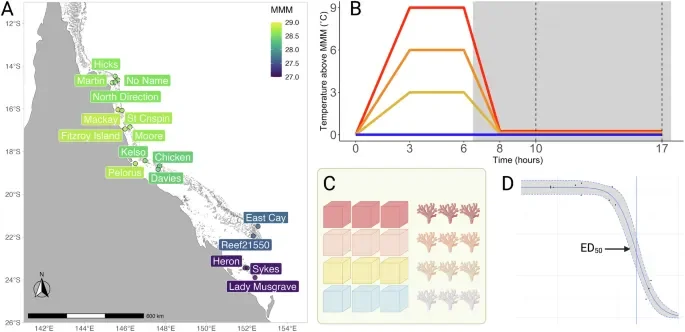
Recent findings highlight that certain corals exhibit a greater capacity to withstand elevated temperatures than their counterparts. Research indicates that heat tolerance can vary significantly across different populations of the same reef-building coral species, specifically the Acropora hyacinthus complex on the Great Barrier Reef. This internal variability within coral populations implies a potential for adaptation to changing climate conditions. Some of these heat-tolerant corals have been discovered in areas previously thought to be less resilient.
Read More: World Water Day 2024: River Restoration and Women's Water Crisis Focus

Symbiotic Relationships and Environmental Factors
A key factor influencing a coral's ability to tolerate heat stress appears to be its relationship with symbiotic algae, known as zooxanthellae, living within its tissues. The types of symbiotic algae present can significantly impact heat tolerance, with certain combinations showing greater resilience to thermal stress. Beyond these symbiotic associations, environmental influences such as a coral's thermal history, nutrient availability in the water, and genetic makeup also play a crucial role in determining its heat tolerance.
Implications for Reef Persistence and Restoration
While the existence of heat-tolerant corals offers a glimmer of hope, it does not negate the broader crisis facing reef systems. A report on global tipping points has warned that coral reefs are approaching widespread dieback and may be beyond recovery, with only those housing heat-tolerant varieties having a chance to endure. The discovery of such variability opens avenues for 'proactive reef restoration' efforts, potentially focusing on selecting and cultivating heat-tolerant corals. However, the effectiveness and scalability of these restoration techniques are still under active investigation.
Read More: Matt Davidson's June 2023 Art Shows Australian Economy Problems
Geographical Variations in Tolerance
Specific studies have noted differences in heat tolerance even between distinct regions of large reef systems. For instance, corals in the southern Great Barrier Reef appear to exhibit a higher tolerance to warming above their local temperatures compared to those found in the northern parts of the reef. This geographical disparity suggests that local environmental conditions and the genetic makeup of coral populations can contribute to varying degrees of resilience.
Background: The Coral Reef Crisis
Coral reefs worldwide are under severe threat from human-induced climate change. The primary drivers of this decline are:
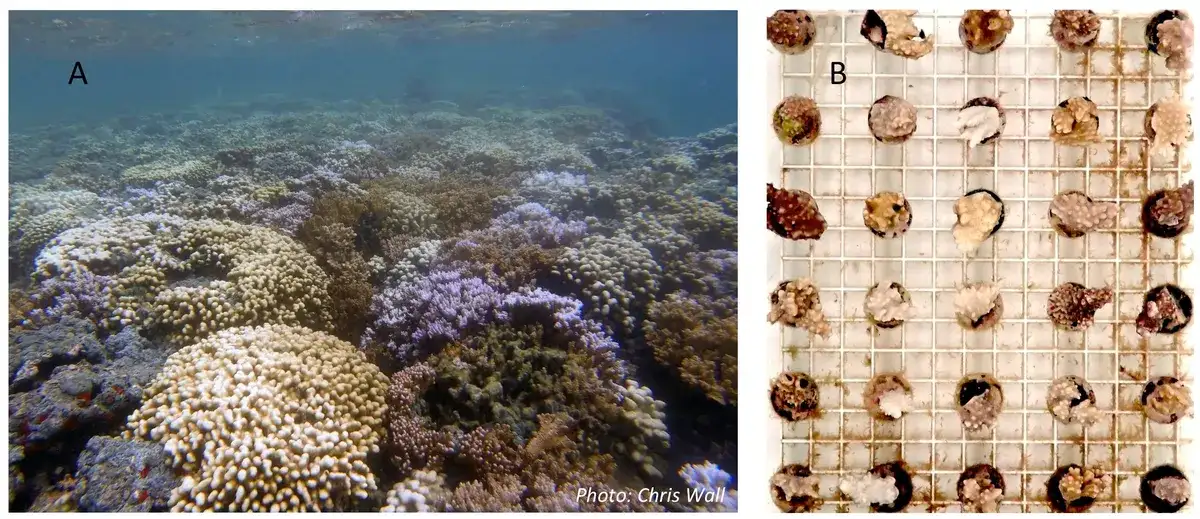
Ocean Warming: Rising sea temperatures cause coral bleaching, a process where corals expel the symbiotic algae living in their tissues, leading to starvation and death if prolonged.
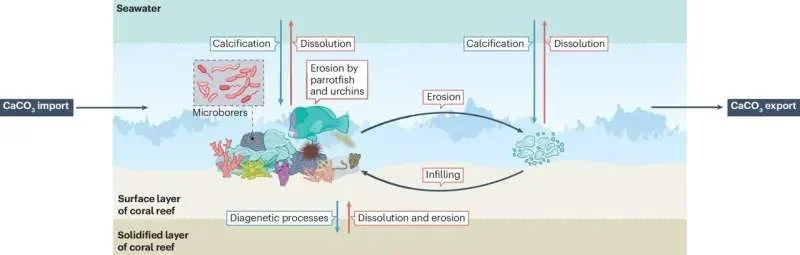
Ocean Acidification: Increased absorption of carbon dioxide by the oceans lowers their pH, making it harder for corals and other marine organisms to build their calcium carbonate skeletons.
Deoxygenation: Warmer waters hold less dissolved oxygen, creating hypoxic (low oxygen) conditions that stress and can kill corals.
Darkening Waters: Increased sediment and pollution can reduce light penetration, hindering the photosynthesis of symbiotic algae.
These combined stressors create a perilous environment for coral reefs, pushing many towards collapse. The identification of heat-tolerant coral strains and understanding the mechanisms behind their resilience are critical areas of ongoing scientific inquiry.

.jpg)