Tension Over Senator Hanson's Comments
A recent court decision has found Senator Pauline Hanson violated race laws with remarks made about a Muslim lawmaker. The ruling, which orders Senator Hanson to remove a tweet and pay legal costs, has drawn strong reactions and renewed focus on her past statements concerning Islam and Muslims. Critics argue the comments represent a pattern of racism and anti-Muslim sentiment, while others question the broader implications for public discourse and political accountability.
Background: The Tweet and Subsequent Legal Action
The case centers on a tweet posted by Senator Pauline Hanson on September 2, 2022, the day Queen Elizabeth II died. This post was a response to a tweet by Greens Senator Mehreen Faruqi. In her tweet, Senator Hanson told Senator Faruqi to "pack your bags and piss off back to Pakistan."
Read More: India's Top Court Says People Are Strangers Before Marriage
Senator Mehreen Faruqi subsequently took Senator Hanson to the Federal Court, alleging a breach of the Racial Discrimination Act. The court proceedings involved examining past statements made by Senator Hanson, including comments from a 2017 interview where she suggested it could be difficult to distinguish between fundamentalist and other Muslims, and remarks from her 2018 book, "Pauline: In Her Own Words." During the court hearing, Senator Hanson stated she did not know Senator Faruqi was Muslim at the time she posted the tweet, a claim that was contested.
Court Ruling: Violation of Racial Discrimination Act
On November 1, 2024, the Federal Court ruled that Senator Pauline Hanson had violated race laws with her remarks.
The judge found Senator Hanson's post to be racist, nativist, and anti-Muslim.
Senator Hanson was ordered to delete the tweet within seven days.
She was also ordered to pay Senator Mehreen Faruqi's legal costs for the lawsuit.
Read More: Councils Must Prepare Fast for May Elections After Delay Plans Stopped
This ruling was reported by multiple news outlets, highlighting the legal consequences of Senator Hanson's online comments.
Consequences and Public Reaction
The court's decision has triggered a range of responses:

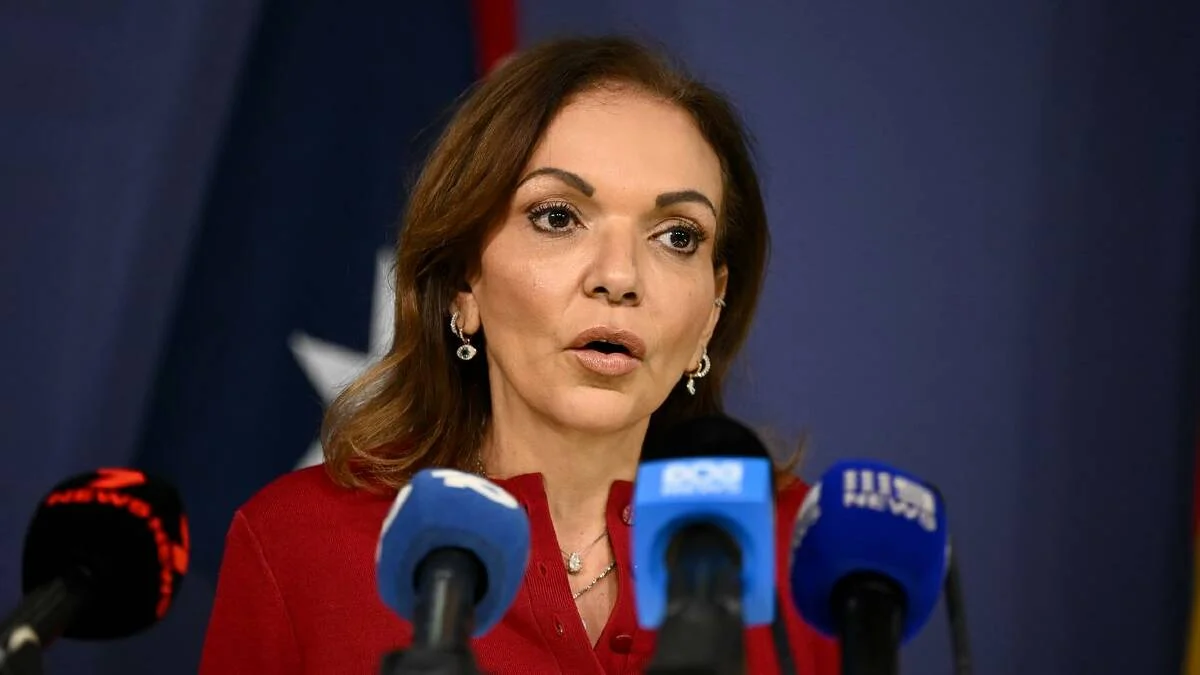
Multicultural Minister Anne Aly has criticized Senator Hanson's comments.
The Australian Muslim Advocacy Network challenged Senator Hanson to explain what policy changes she would enact if in a position to shape legislation, questioning the practical implications of her stance.
Shadi Alsuleiman, president of the Australian National Imams Council, rejected Senator Hanson's remarks.
Furthermore, there have been questions raised regarding Senator Hanson's use of taxpayer-funded expenses to attend the court case in Sydney. The Coalition has reportedly questioned this expenditure, suggesting that public funds should not be used for personal legal disputes.
Senator Hanson's Defense and Past Statements
During the court proceedings, Senator Pauline Hanson offered explanations for her actions and statements.
Read More: Supreme Court to Decide on Women's Religious Place Entry
She claimed she did not know Senator Faruqi was Muslim when the tweet was made.
She stated that at the time of the tweet, the senator's religious affiliation was "irrelevant" to her.
The court also considered past public statements by Senator Hanson:
A 2017 interview suggested difficulty in differentiating between "good" and "bad" Muslims.
Her 2018 book stated, "there is no sign saying ‘good Muslim’ or ‘bad Muslim’."
Expert Analysis and Broader Implications
The Federal Court's ruling has been framed by some as a significant development in addressing racial discrimination in public life. The Human Rights Law Centre has commented on the verdict, suggesting that while the ruling is welcome, lasting change requires broader cultural shifts to combat racism in Australia. The case underscores the legal framework in place to address discriminatory speech and its impact on individuals and communities.
Conclusion: Accountability and Ongoing Debate
The Federal Court's finding that Senator Pauline Hanson violated race laws represents a clear legal judgment on her public statements. The order to remove the tweet and cover legal costs are direct consequences. The ongoing public discussion reflects a divided view on the nature and impact of Senator Hanson's rhetoric, with continued scrutiny from political opponents, community groups, and legal advocates concerning racism and the responsible use of public funds.
Sources Used:
Canberra Times: Explains the criticism Senator Hanson faced for her anti-Muslim remarks and the challenge from the Australian Muslim Advocacy Network.https://www.canberratimes.com.au/story/9177255/please-explain-hanson-lashed-for-anti-islamic-vitriol/
9News: Reports on the Federal Court's ruling that Pauline Hanson's tweet to a Muslim senator constituted "strong racism" and details the court's orders.https://www.9news.com.au/national/judge-to-rule-on-pauline-hanson-post-about-muslim-senator/f5caec68-91f8-41f6-b2ab-67a4686c776d
Middle East Monitor: Covers the Australian court's ruling that Senator Hanson breached race laws with her remarks against a Muslim lawmaker and details the court's orders.https://www.middleeastmonitor.com/20241101-australia-court-rules-senator-violated-law-with-racial-remarks-against-muslim-lawmaker/
The Sydney Morning Herald (Nov 25, 2025): Discusses criticism from the Coalition regarding Senator Hanson's use of public expenses for her court case.https://www.smh.com.au/politics/federal/pauline-hanson-censured-suspended-from-senate-for-a-week-20251125-p5ni8w.html
The Sydney Morning Herald (Apr 30, 2024): Details Senator Hanson being questioned about her views on Islam during a heated court hearing and references past statements.https://www.smh.com.au/national/nsw/pauline-hanson-grilled-over-views-on-islam-during-heated-court-hearing-20240430-p5fnmb.html
Human Rights Law Centre (Nov 1, 2024): Provides commentary on the verdict and the need for cultural change to address racism in Australia.https://www.hrlc.org.au/updates/pauline-hanson-verdict/
Read More: Rajasthan Budget Faces Questions on Jobs, Debt, and Gendered Language